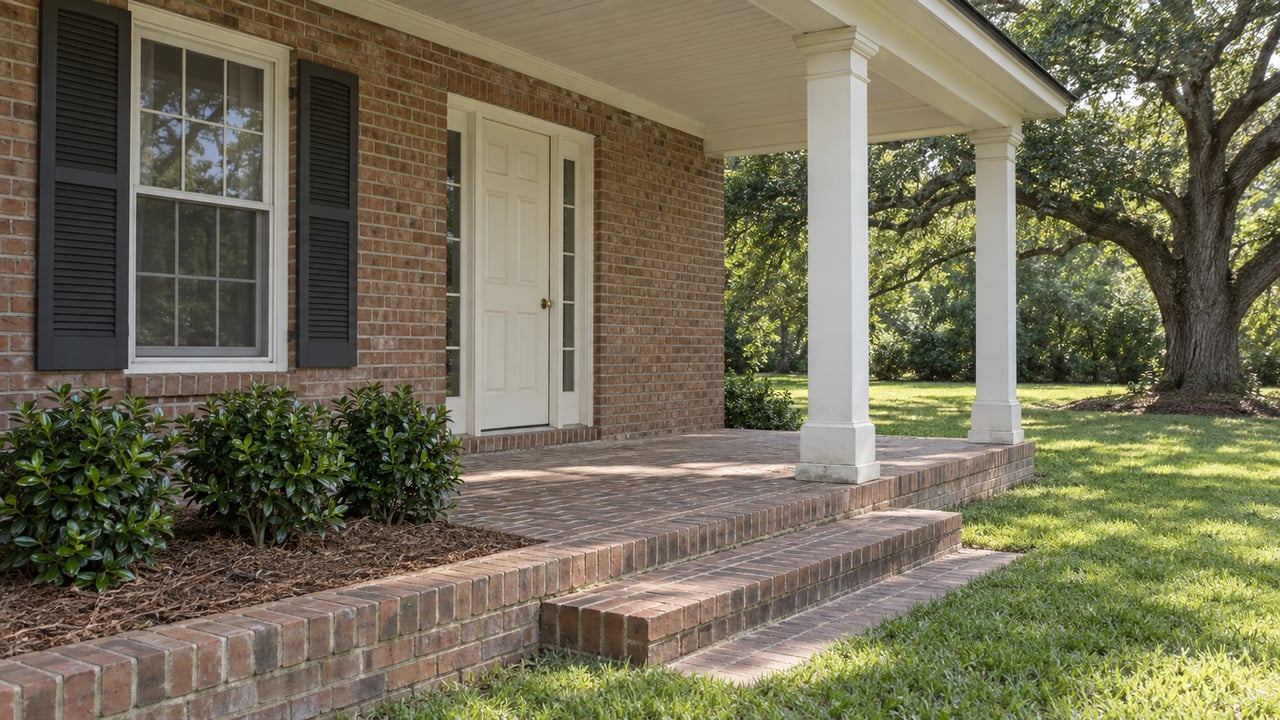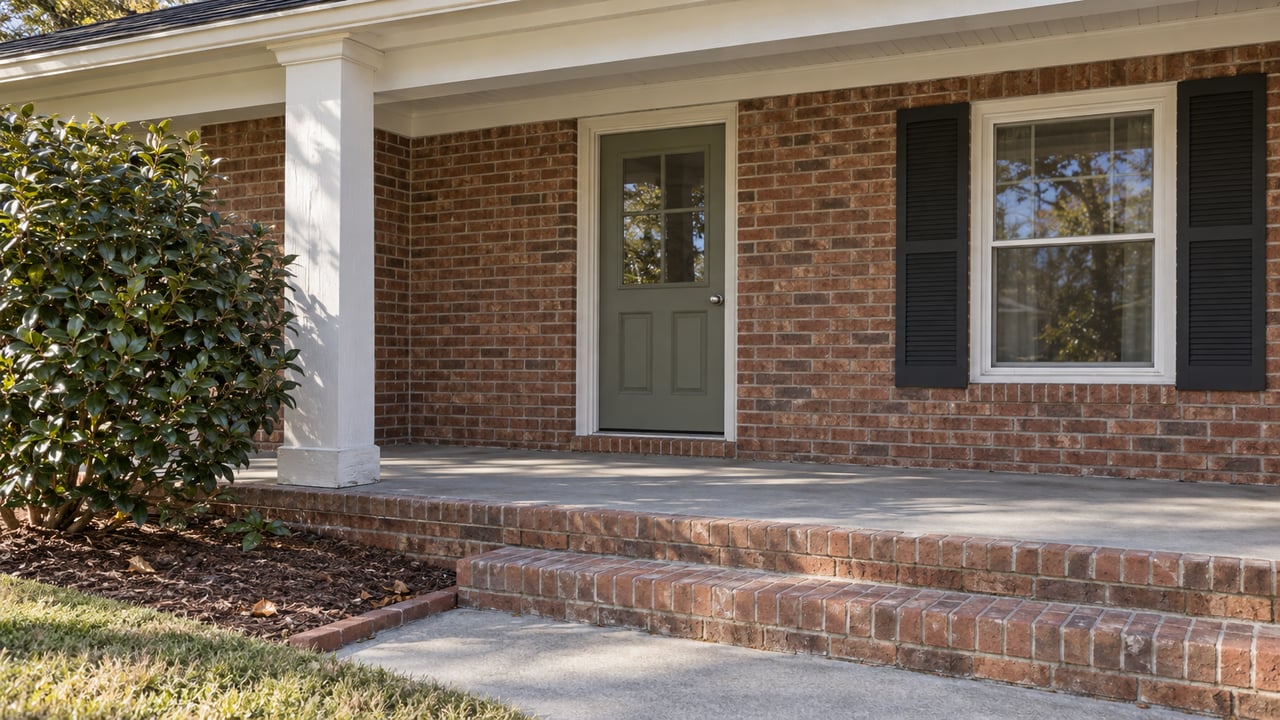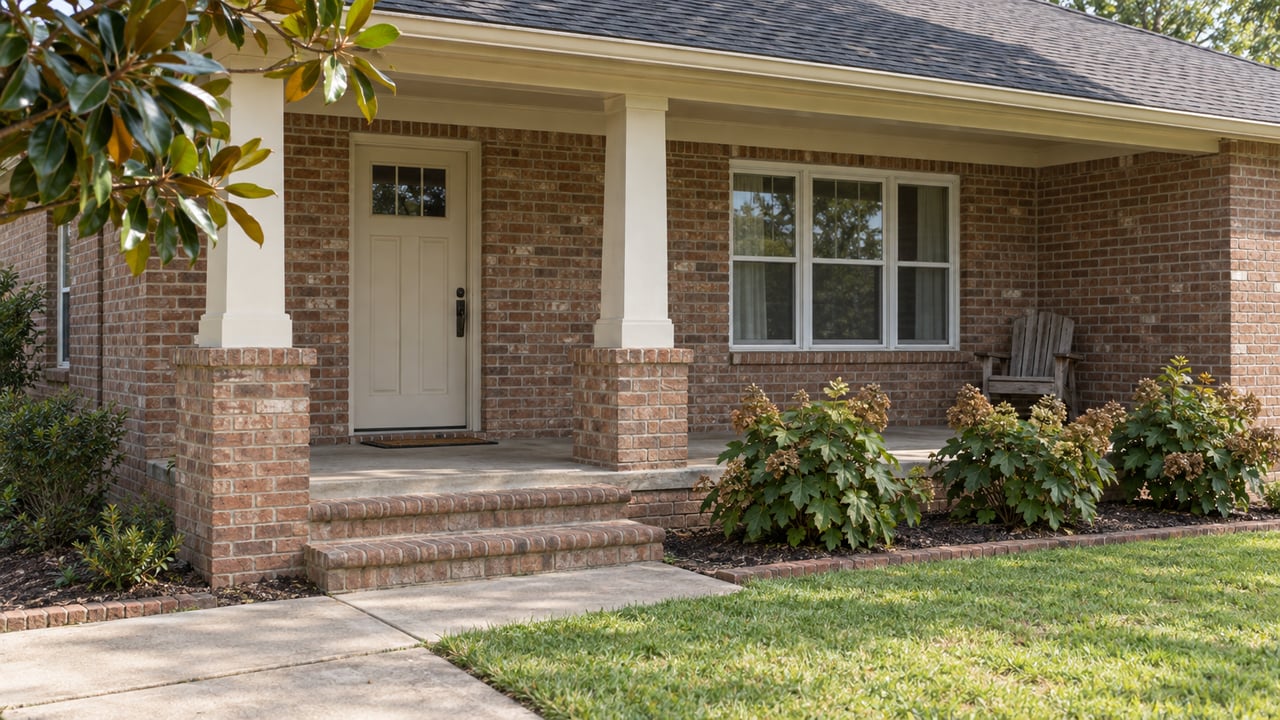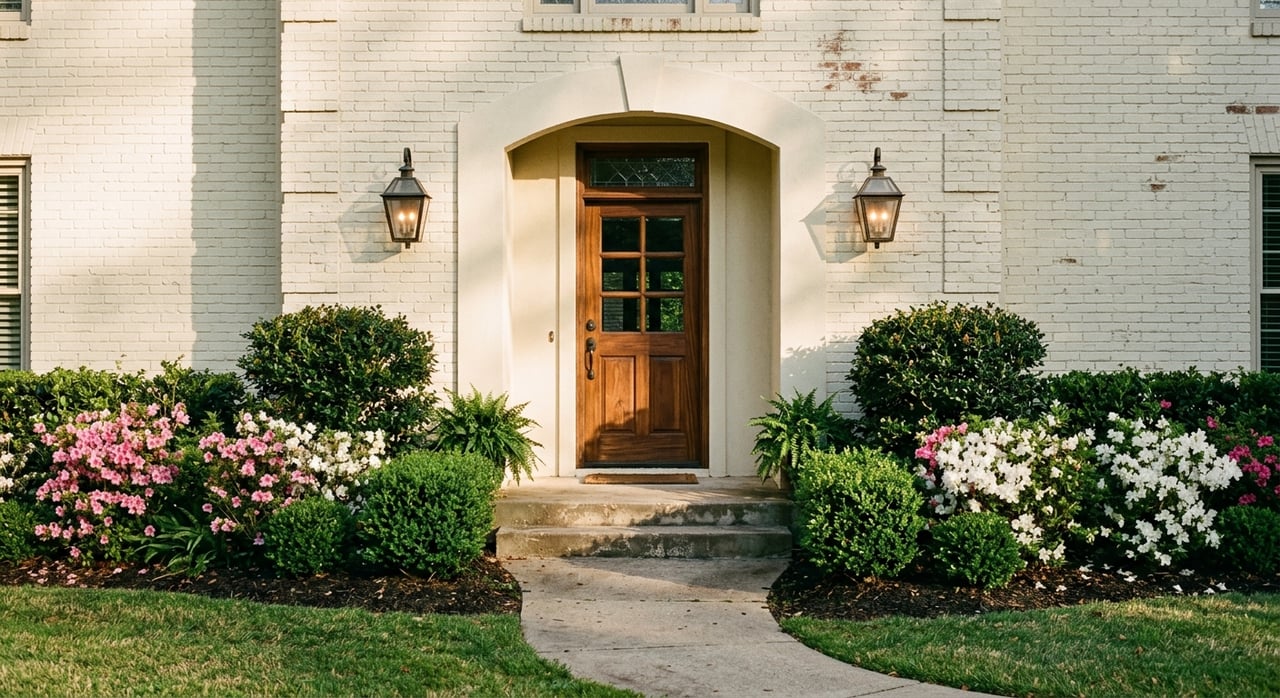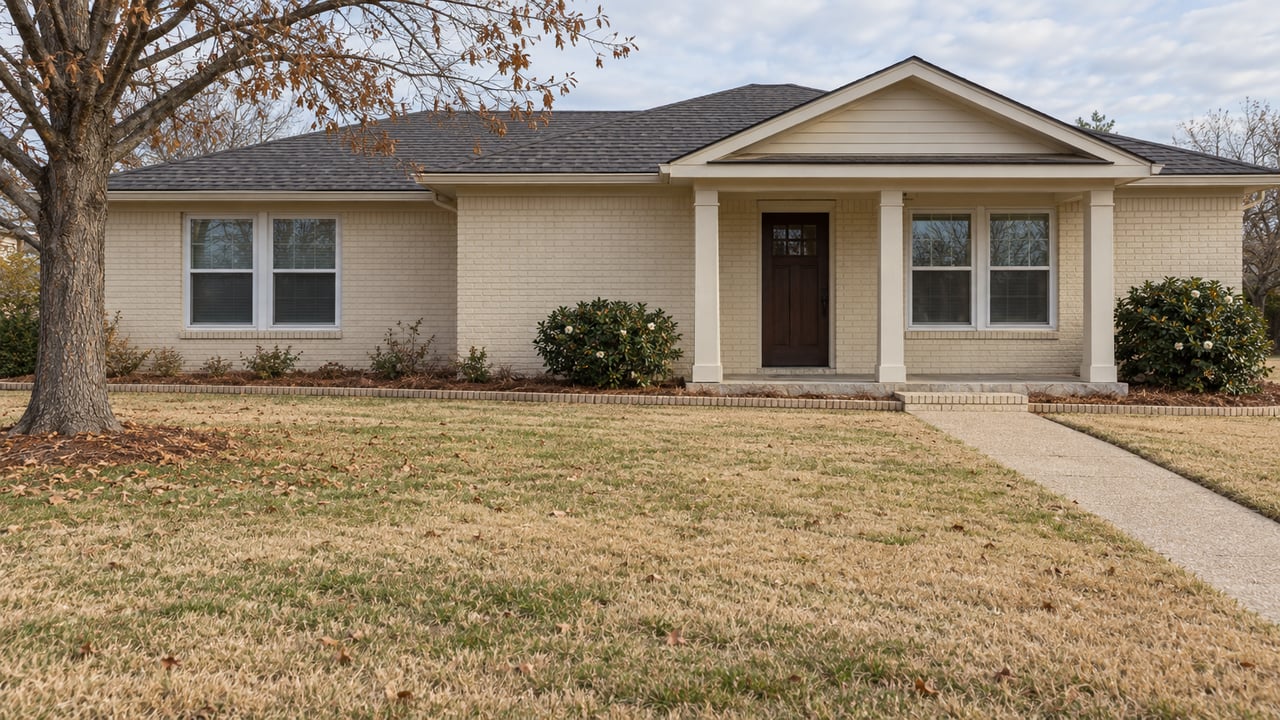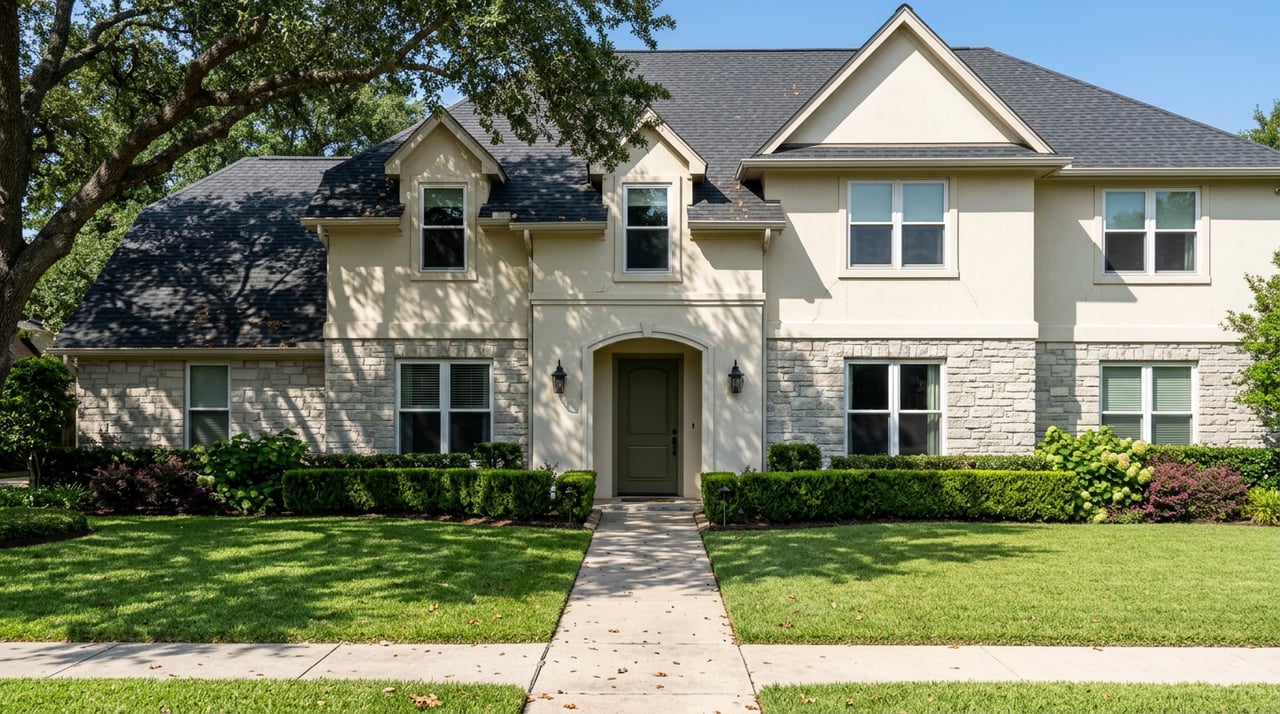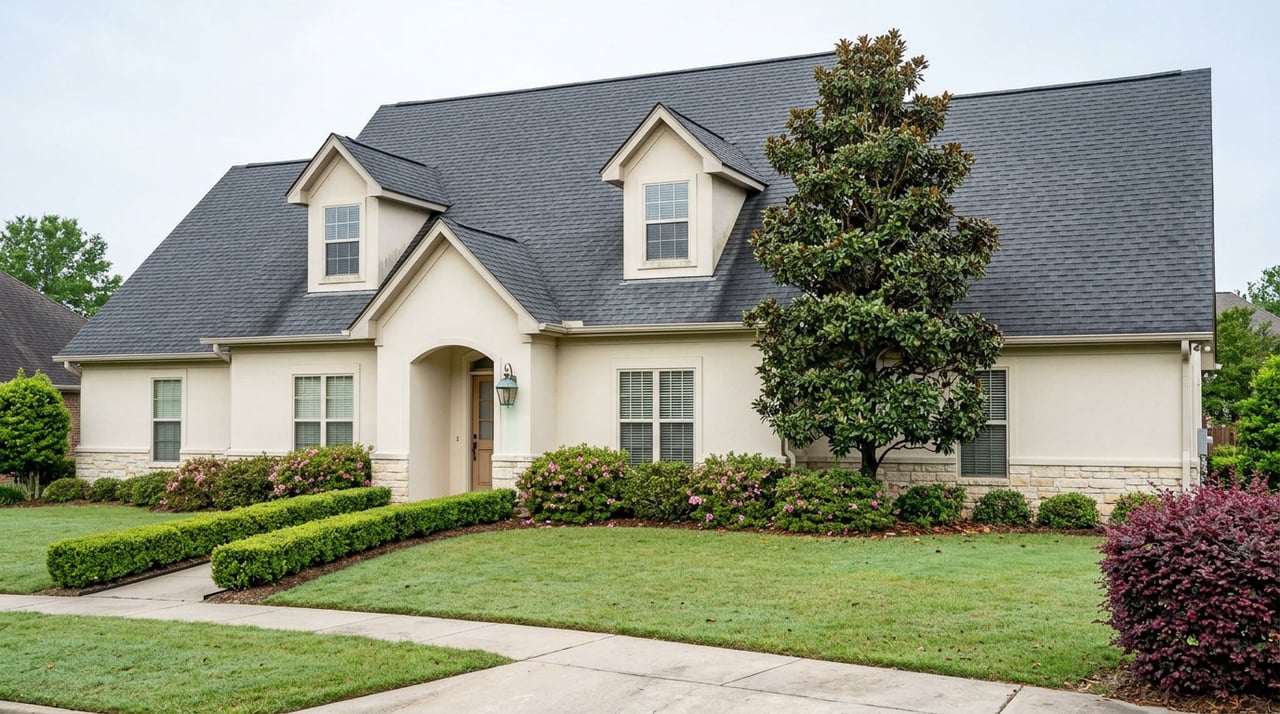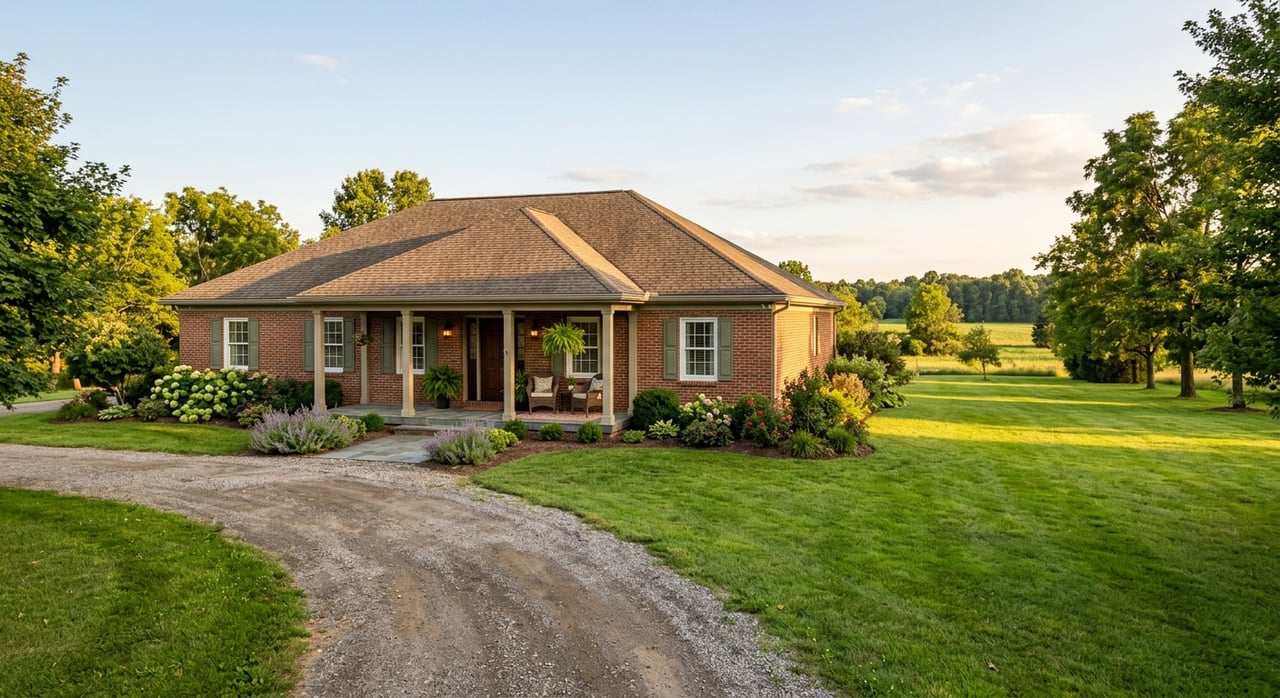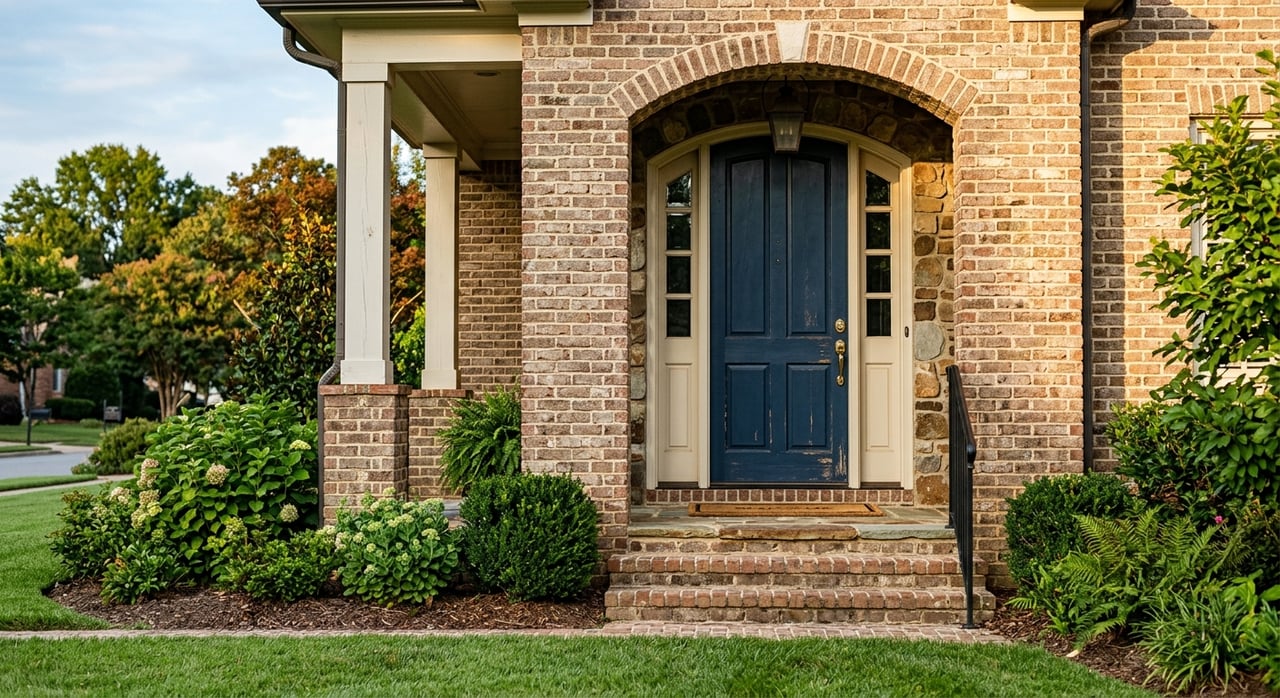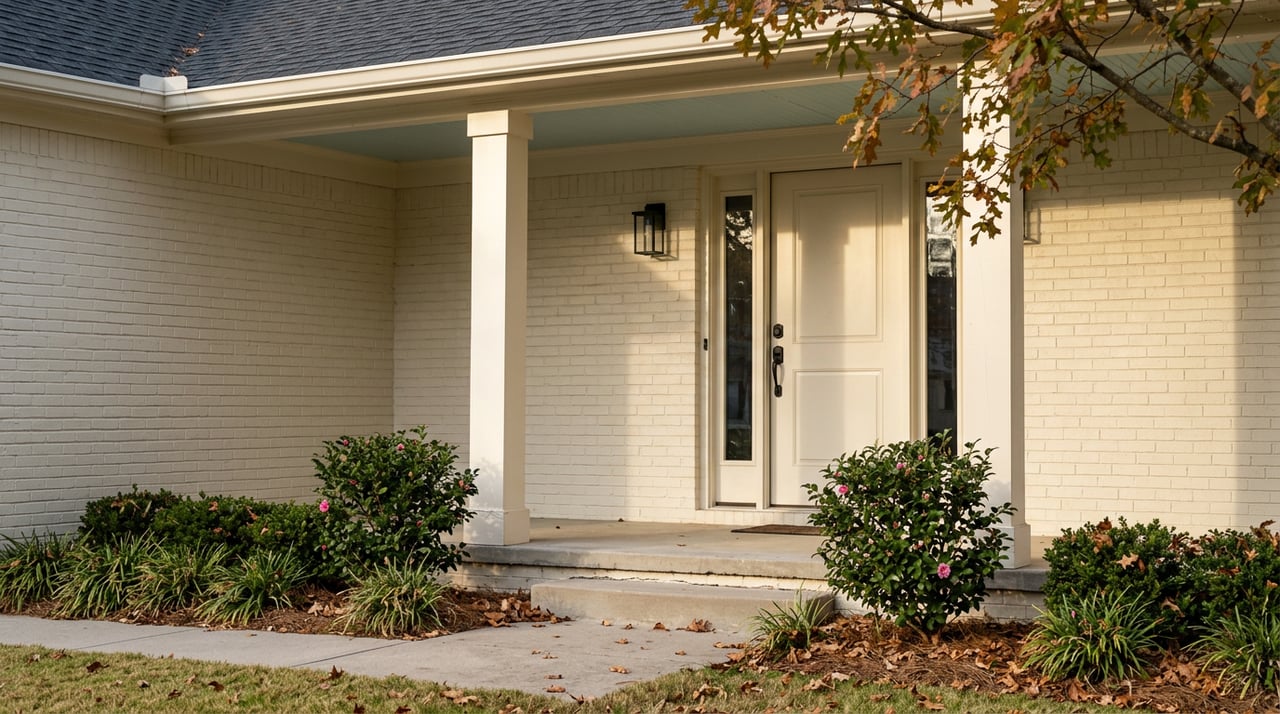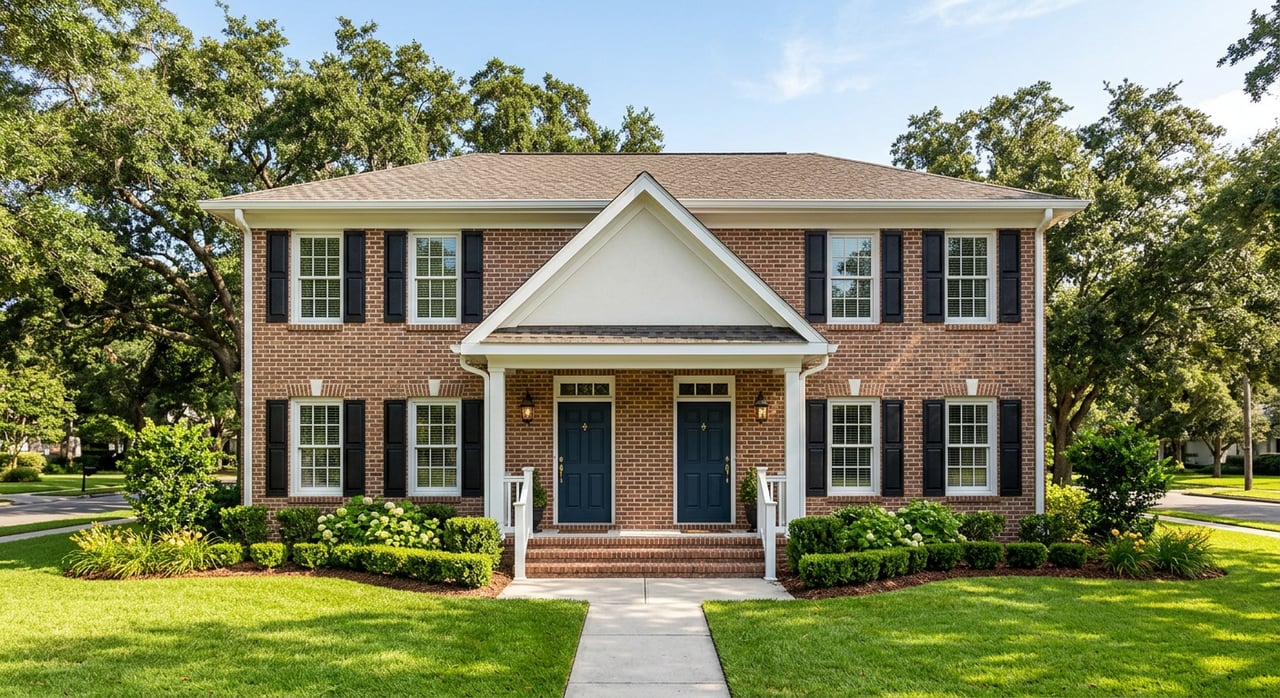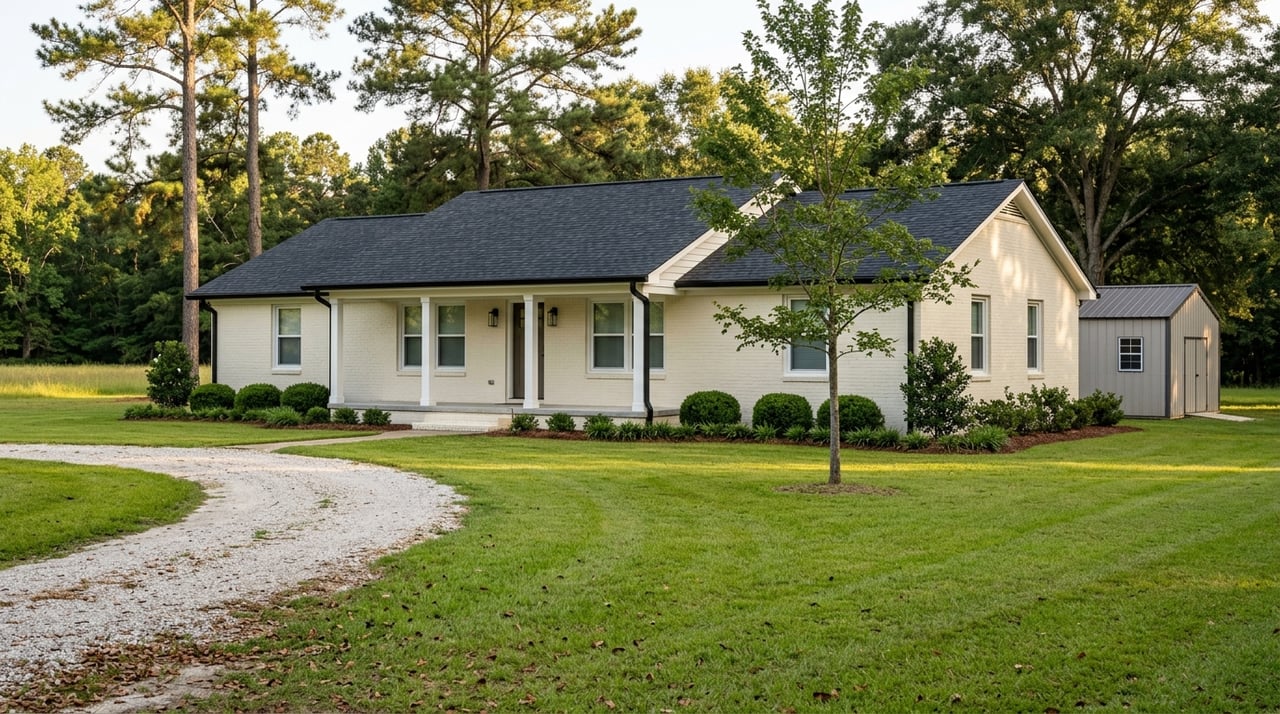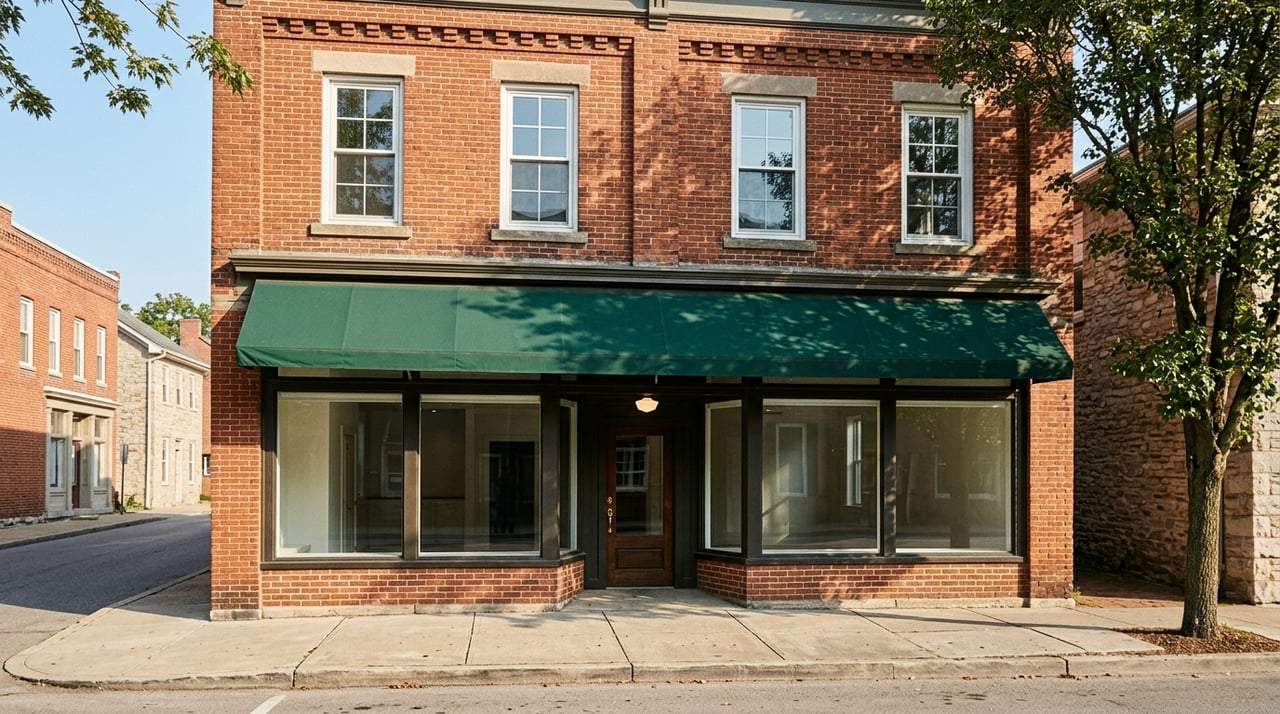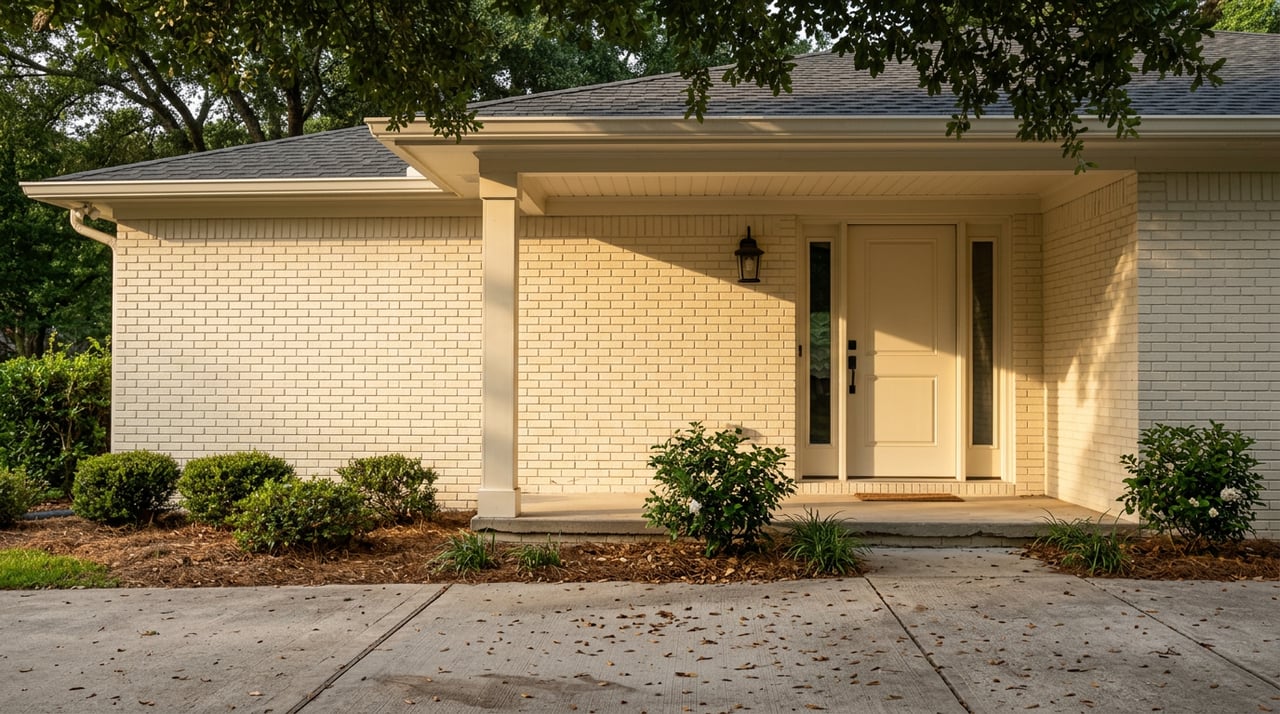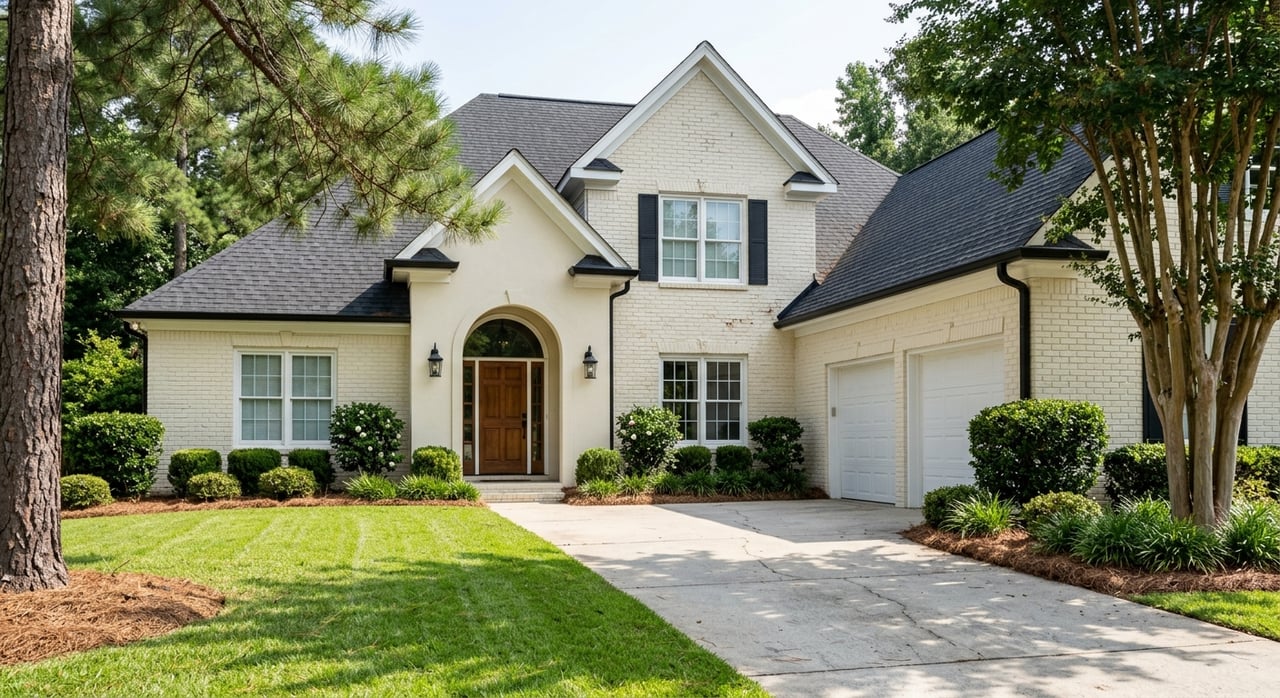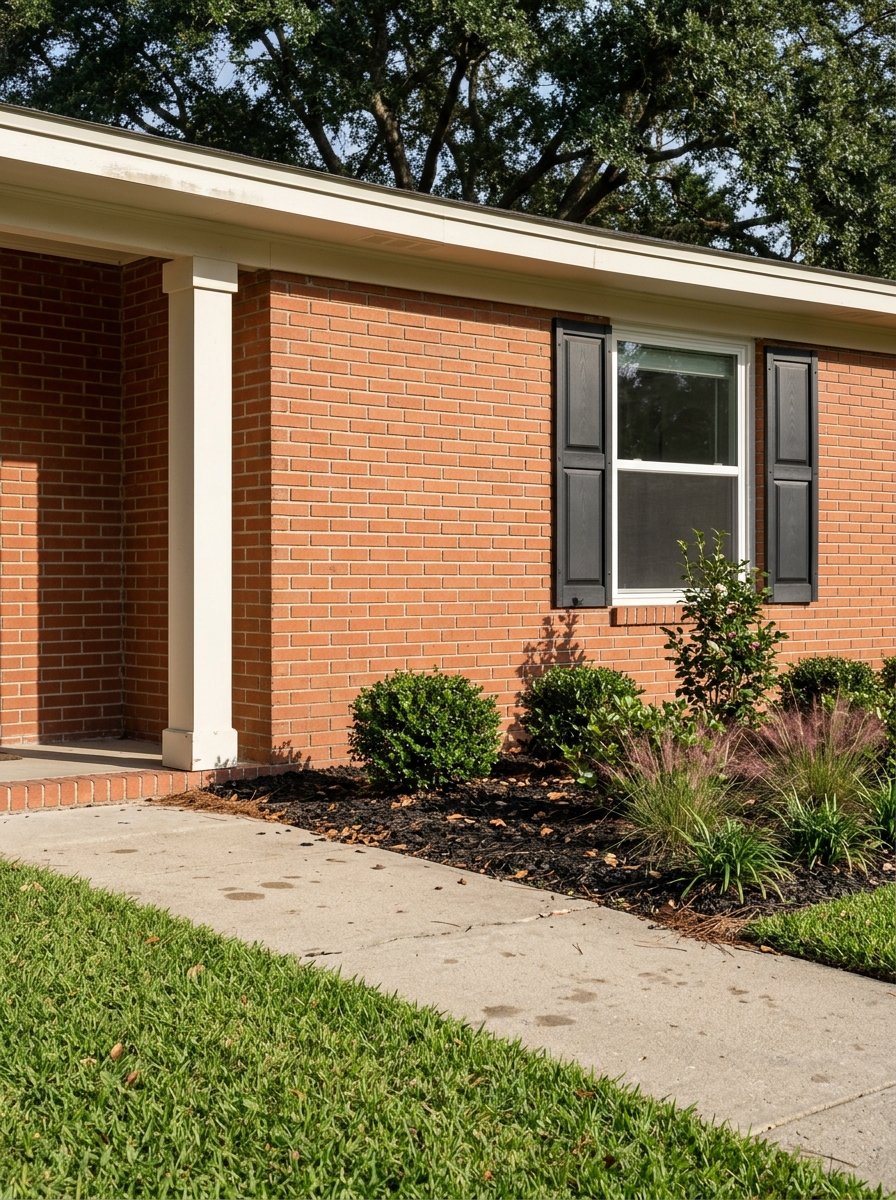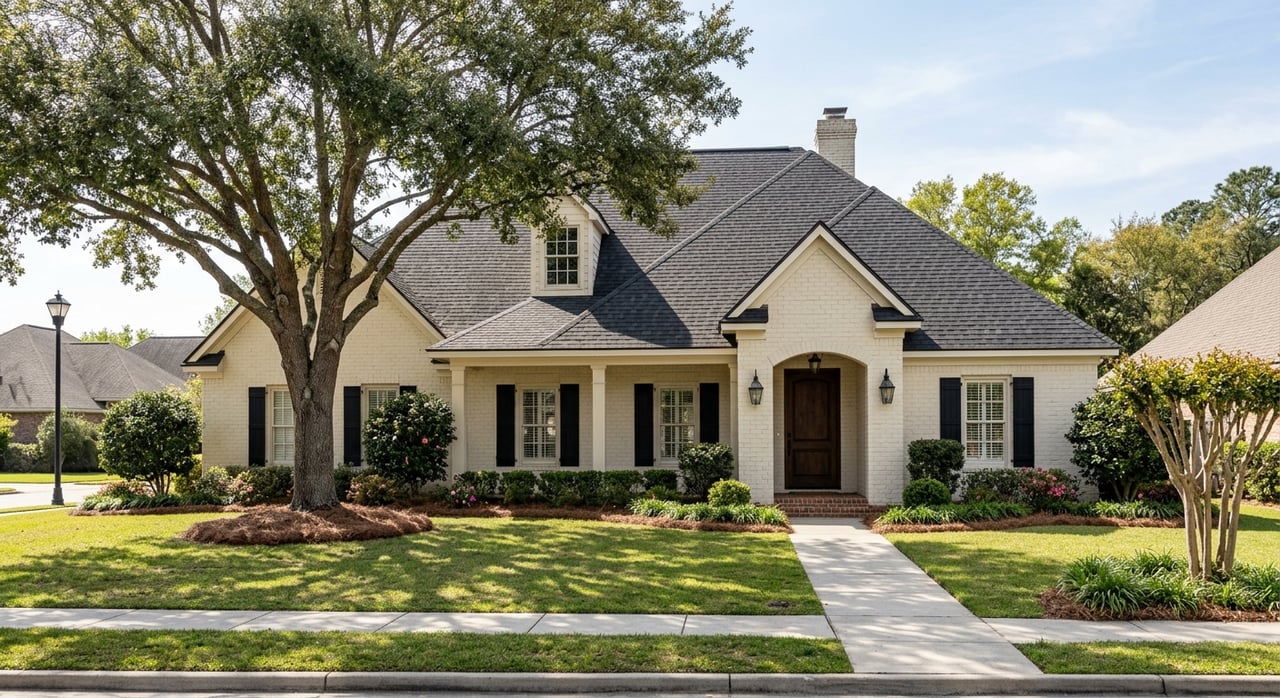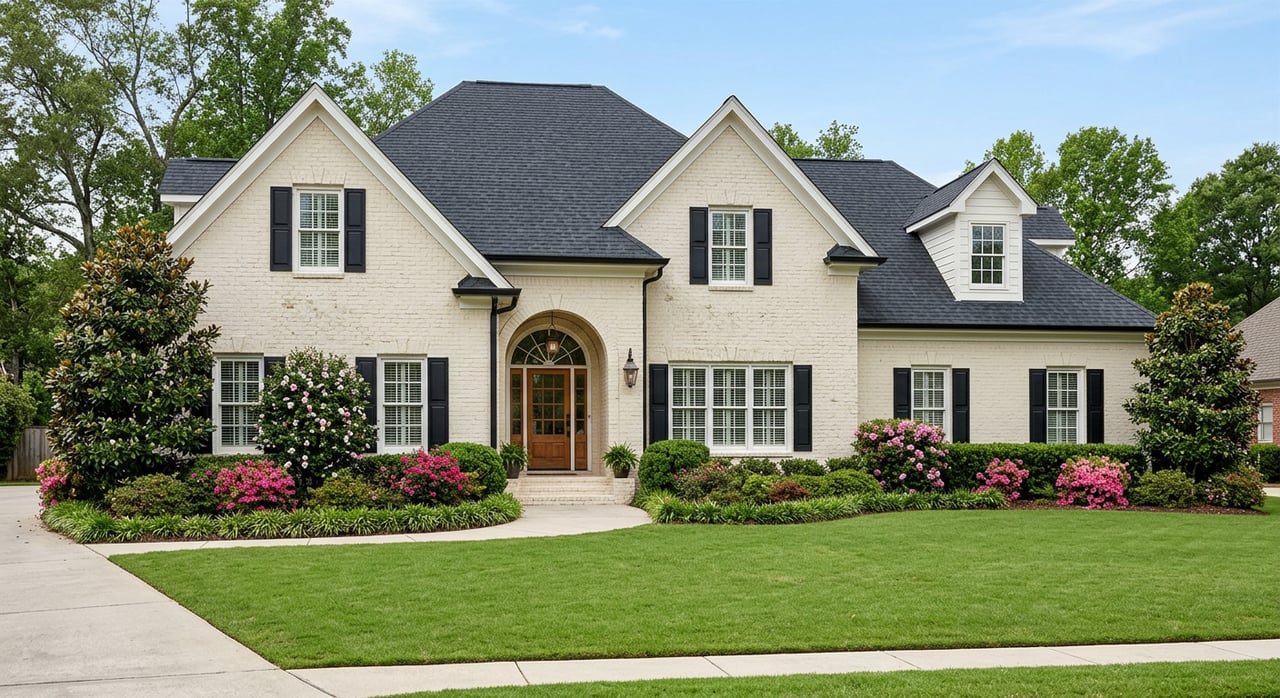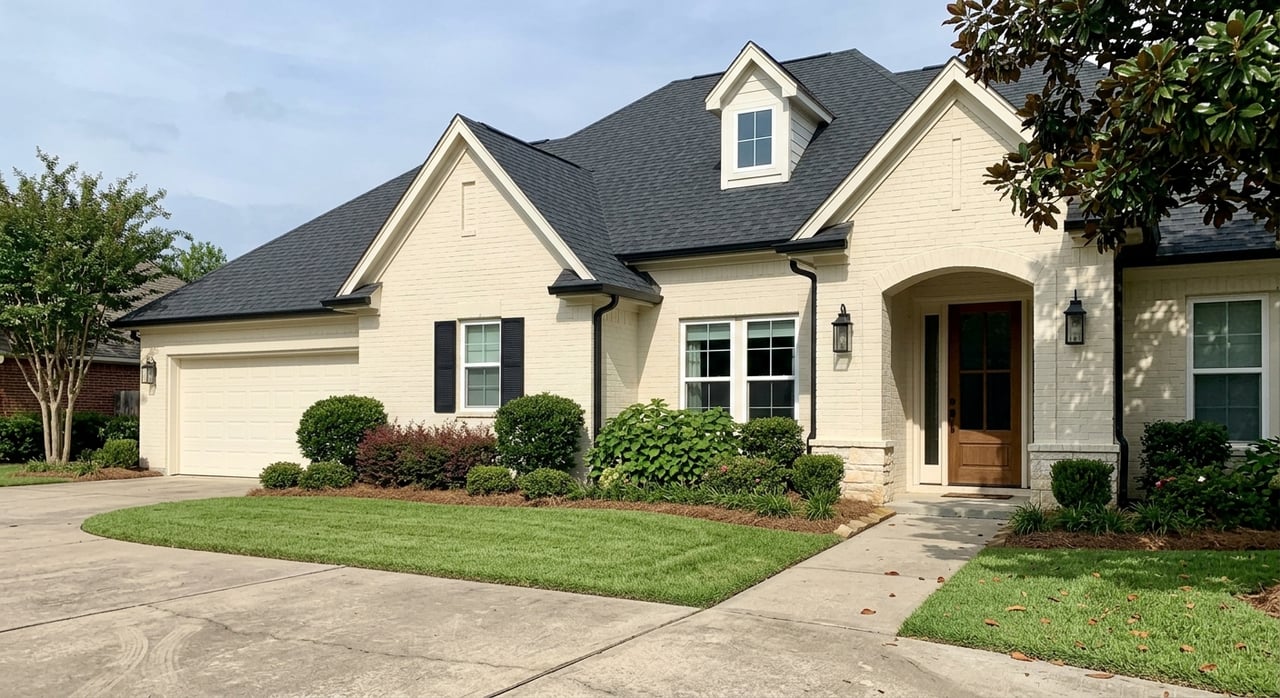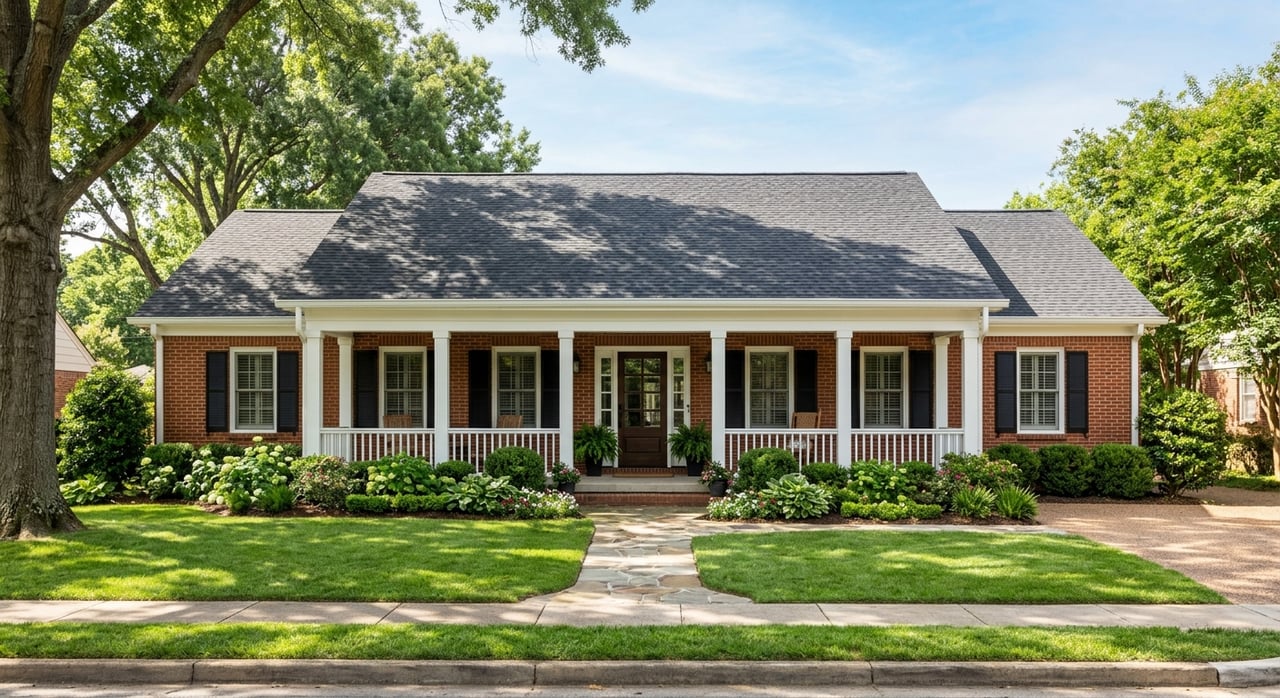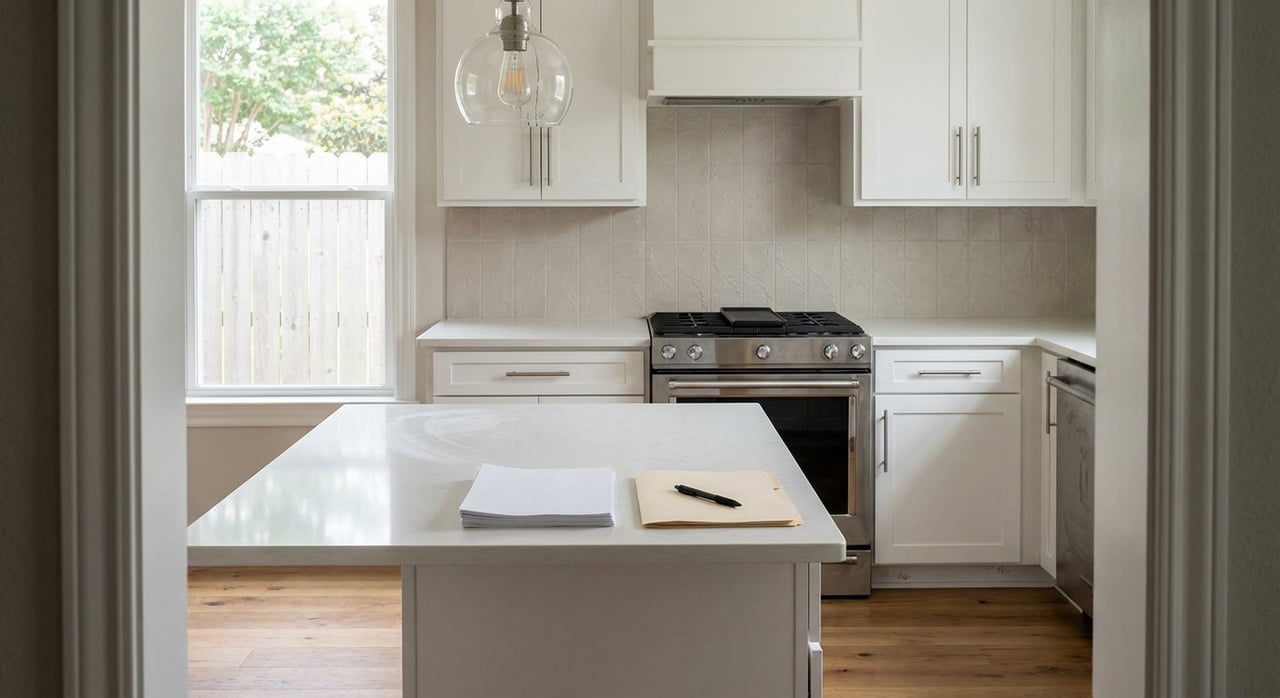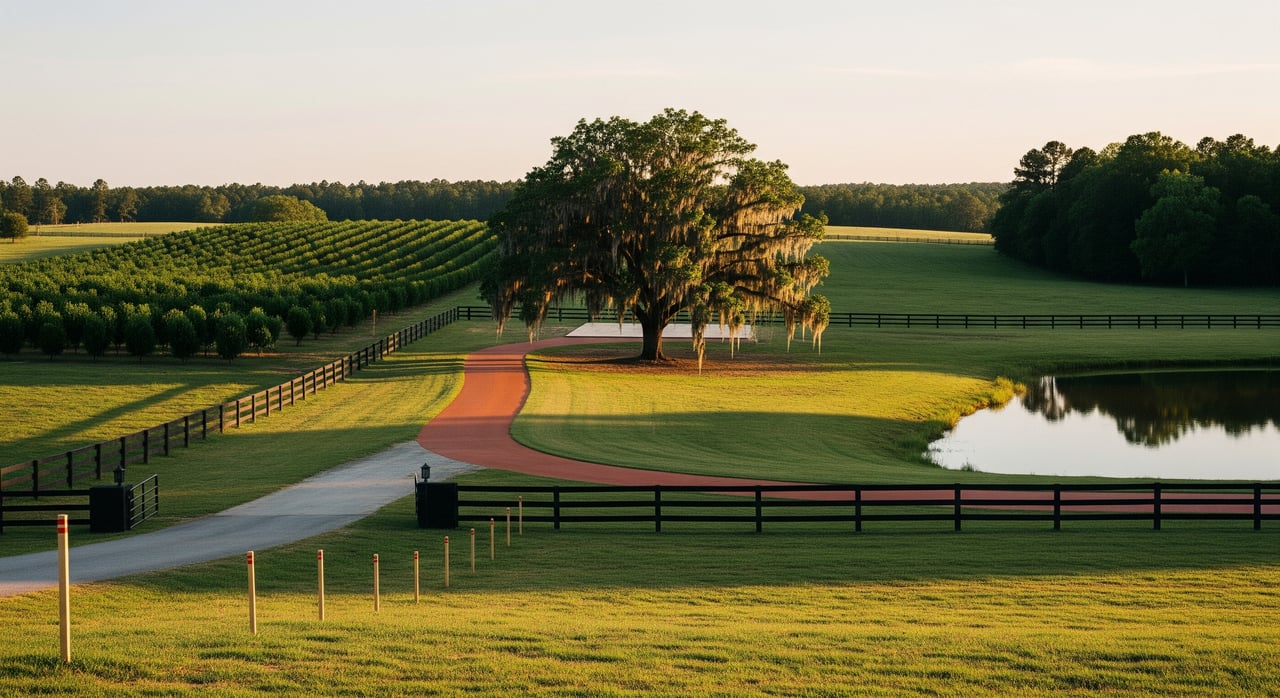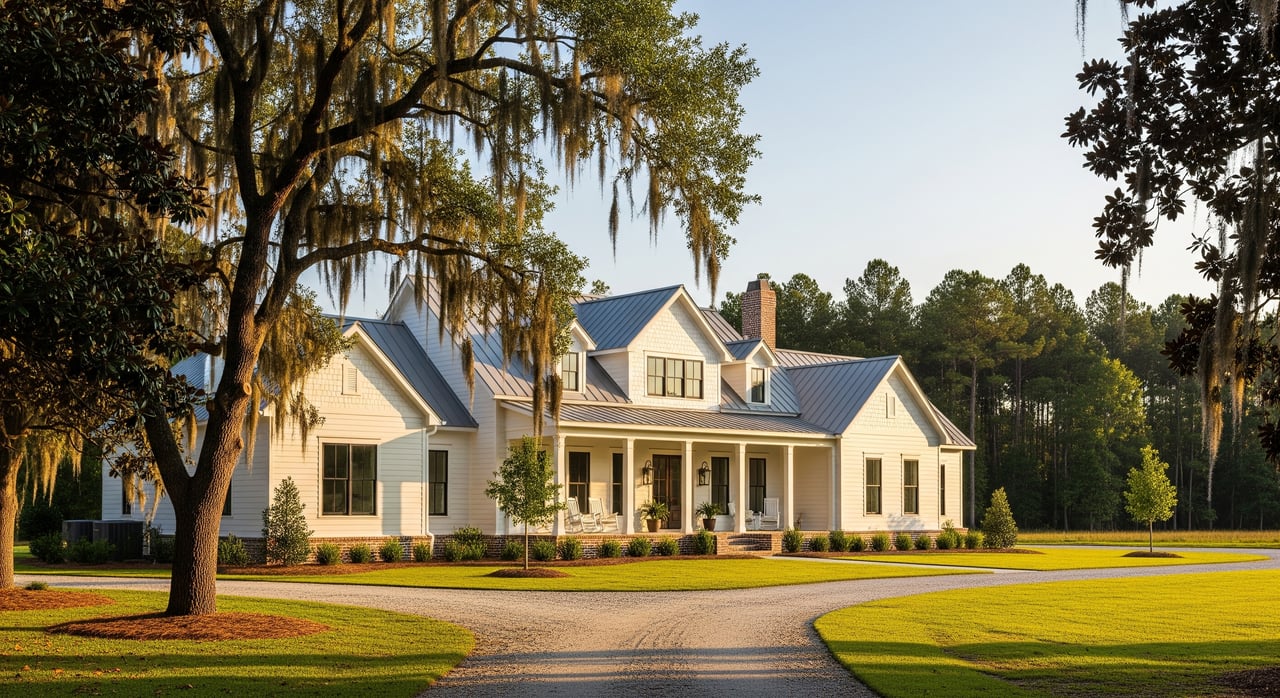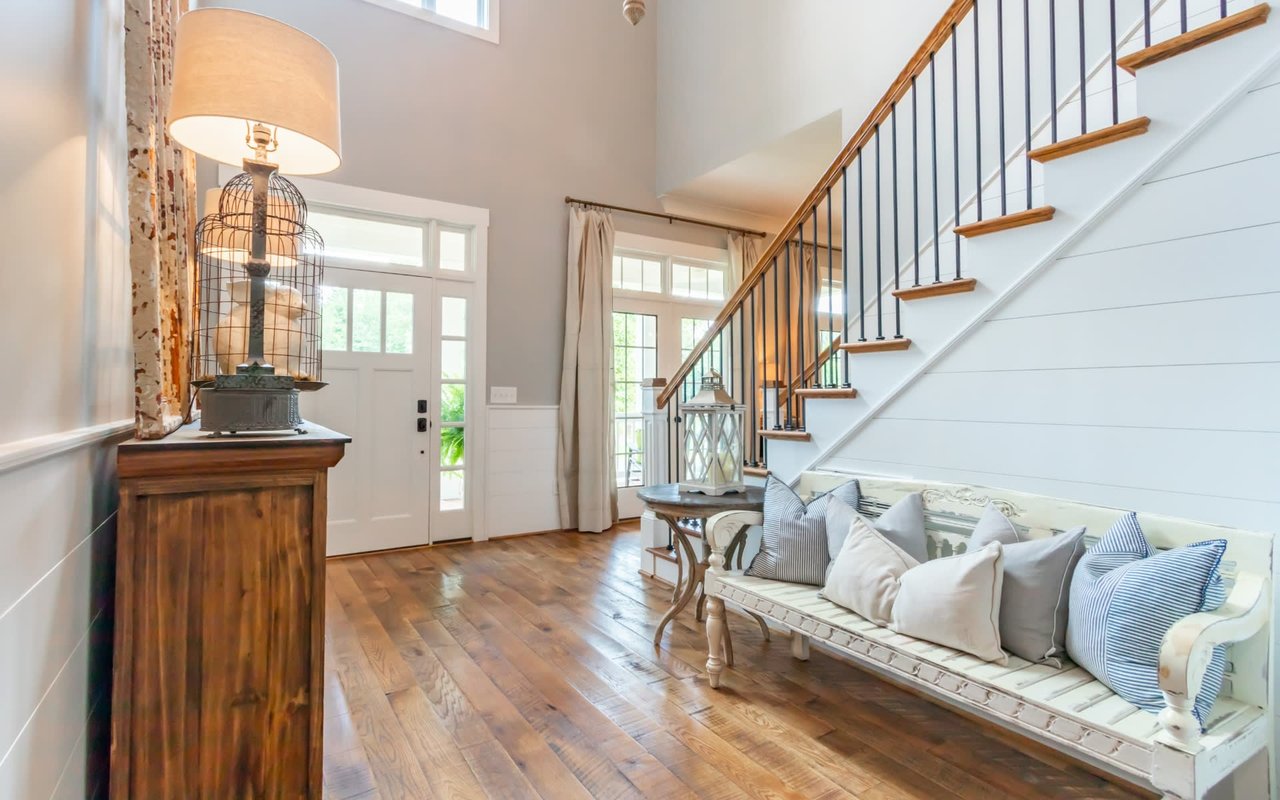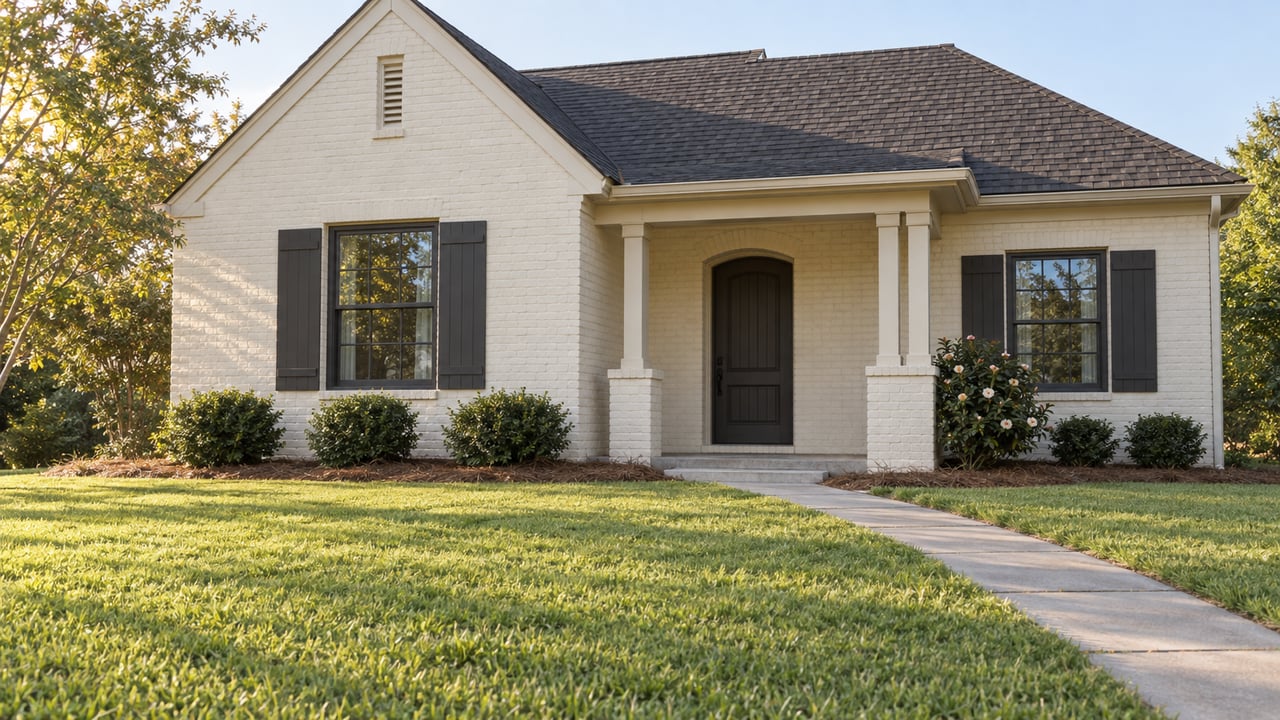
A buyer looking at a three-bedroom brick house on Tift Avenue this fall assumed the zero-down USDA loan she'd read about was off the table. The house sits inside Tifton's city limits, a block from downtown, nowhere near the acreage and farmland most people picture when they hear "rural development loan." She was ready to plan around a conventional loan and a down payment she didn't love writing a check for.
She didn't need to. According to USDAProperties.com, the house qualifies. So does most of the rest of the city around it. The reason has nothing to do with zoning, farmland, or how far a property sits from the county line. It comes down to a single number from the 2020 census and where that number happens to fall on a federal population scale.
The Number That Decides Everything
Tifton's population was 17,045 at the 2020 census. That figure places the city inside a specific tier the USDA uses to define what counts as rural for loan purposes. The Neighbors Bank property-eligibility guide says areas with 10,001 to 20,000 residents qualify as rural as long as they sit outside a Metropolitan Statistical Area.
Tifton clears both parts of that test. It has its own population under 20,000, and it is not folded into anyone else's metro area. Instead, Tift County is classified by the Census Bureau as its own micropolitan statistical area, built around Tifton as the sole principal city. The Georgia statistical areas page describes a micropolitan designation as covering population centers of 10,000 to 49,999, one tier below a metro, which is exactly the category the USDA rural threshold was built to catch.
That combination is why the current USDA property eligibility data for Tift County shows no geographic restrictions anywhere in the county. Not just the farmland past the bypass. The whole footprint, city limits included.
Why This Doesn't Hold for Every Nearby City
The same rule works against a buyer 45 miles south. The Census Bureau classifies Valdosta as its own full Metropolitan Statistical Area, the tier above Tifton's micropolitan status. That single classification difference means Valdosta's map looks different from Tifton's: a metro area is exactly the kind of population center the USDA rural definition is built to exclude.
A buyer comparing a starter home in Tifton to a similar one in Valdosta is not just comparing price per square foot. They're comparing two different census classifications.
| Tifton | Valdosta | |
|---|---|---|
| Census classification | Micropolitan Statistical Area | Metropolitan Statistical Area |
| 2020 population (city) | 17,045 | |
| USDA geographic restrictions in city limits | None currently mapped |
What the County's Loan History Actually Shows
This isn't a theoretical loophole. Tift County's own USDA-backed loan history shows the program getting used inside the county at real volume: 360 USDA-backed residential loans on the books, with an average loan balance around $116,204 and an average appraised home value near $119,535. Eighty-five percent of those loans went to first-time buyers, with an average borrower age of 38.
Those numbers describe a financing path that first-time buyers in Tift County are already walking, not a program sitting unused because everyone assumes it only applies to land outside town. The average appraised value lines up with the kind of starter and move-in-ready housing stock that makes up a meaningful share of listings inside Tifton itself, which is worth sitting with if you've been screening out in-town addresses because you assumed the zero-down option wouldn't apply to them.
The Office Handling These Files Sits in Tifton
The paperwork for these loans doesn't route through Atlanta. The USDA Rural Development area office covering Tift County sits at 2406 North Tift Avenue, Suite 103, right in town, and it's the office that handles guaranteed loan files and eligibility questions for this part of South Georgia. The office is closed on alternating Thursdays, so calling ahead before planning a visit is worth the extra step if you need an in-person answer rather than a phone one.
That local presence matters more than it sounds. A USDA guaranteed loan is processed through an approved private lender, but questions about property eligibility, income limits for a given household size, or how a specific address reads on the current map are the kind of thing this office fields directly.
What This Means If You're Comparing Addresses This Fall
None of this means every address in Tifton is automatically eligible or that every buyer qualifies. USDA loans still have property requirements and household income limits. Those limits change, so the number to check is whatever your lender pulls the week you're ready to make an offer, not a figure from a blog post written months earlier.
The property side of the equation is also not permanent. USDA eligibility maps get revisited as new census data comes in, and AmeriSave guide to this program notes that mapped boundaries have shifted by a few blocks in ways that changed a borrower's eligibility mid-search. Tifton's population would have to grow past 20,000, for the current picture to flip. Neither looks imminent, but a map checked in January is worth checking again closer to the day you write an offer.
The practical move for a buyer working a fall search in Tifton is to stop assuming the zero-down path only applies to the edges of the county. Pull the specific address on the current eligibility map before ruling a house in or out, whether it sits on Tift Avenue or out past Omega.
A Few Common Questions
Does this mean acreage and farmland outside Tifton are also eligible? Yes, and that's the more commonly assumed use of the program. The change here is that in-town addresses inside Tifton's city limits carry the same current eligibility, which runs against the assumption that USDA financing is reserved for outlying land.
Could Tifton lose this status? It's tied to population and statistical area classification, both of which the Census Bureau and the Office of Management and Budget revisit periodically. A significant jump in population or a reclassification into a larger metro area could change the map. Neither has happened as of the current data.
Does a USDA loan work the same way as a conventional mortgage once you're past the eligibility check? The property and income screening is the part unique to USDA loans. Beyond that, a lender still evaluates credit, debt-to-income ratio, and the standard underwriting factors that apply to any mortgage.
If you've got an address in mind and aren't sure where it lands on the current map, or you're weighing a Tifton listing against one in a neighboring town with a different classification, Terri Roberts Branch can pull the eligibility status alongside the listing details and walk through what the financing picture actually looks like before you write an offer.
This article is general information, not legal, tax or financial advice. Consult a qualified professional about your situation.