Choosing a home in Valdosta is really about choosing how you want to live day to day. Do you picture single‑level comfort on a shaded lot, an open‑concept home in a quiet subdivision, low‑maintenance townhome living, or the character of a historic in‑town address? You have great options here, and each comes with its own benefits and upkeep needs. In this quick guide, you’ll learn what to expect from the most common Valdosta home styles so you can match your budget, lifestyle, and maintenance appetite with confidence. Let’s dive in.
Brick ranches
What you’ll find
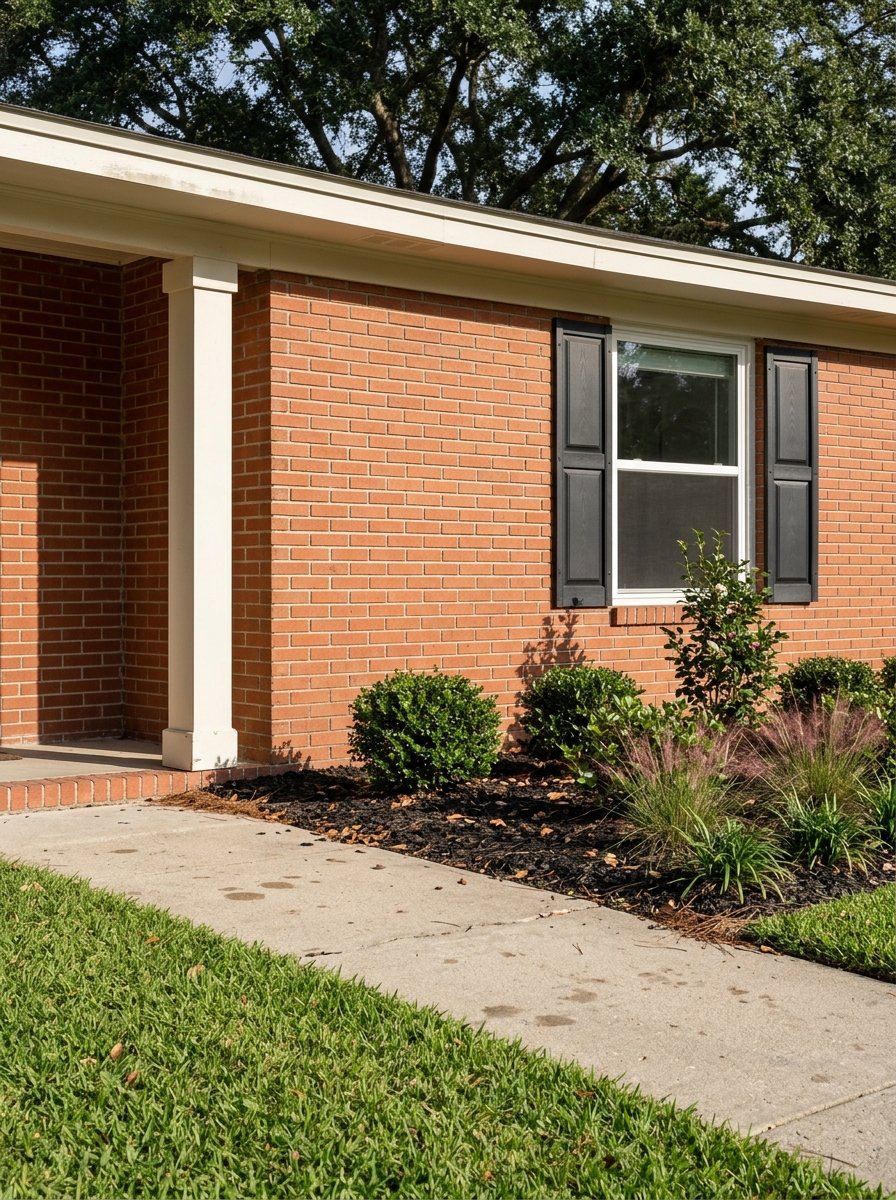
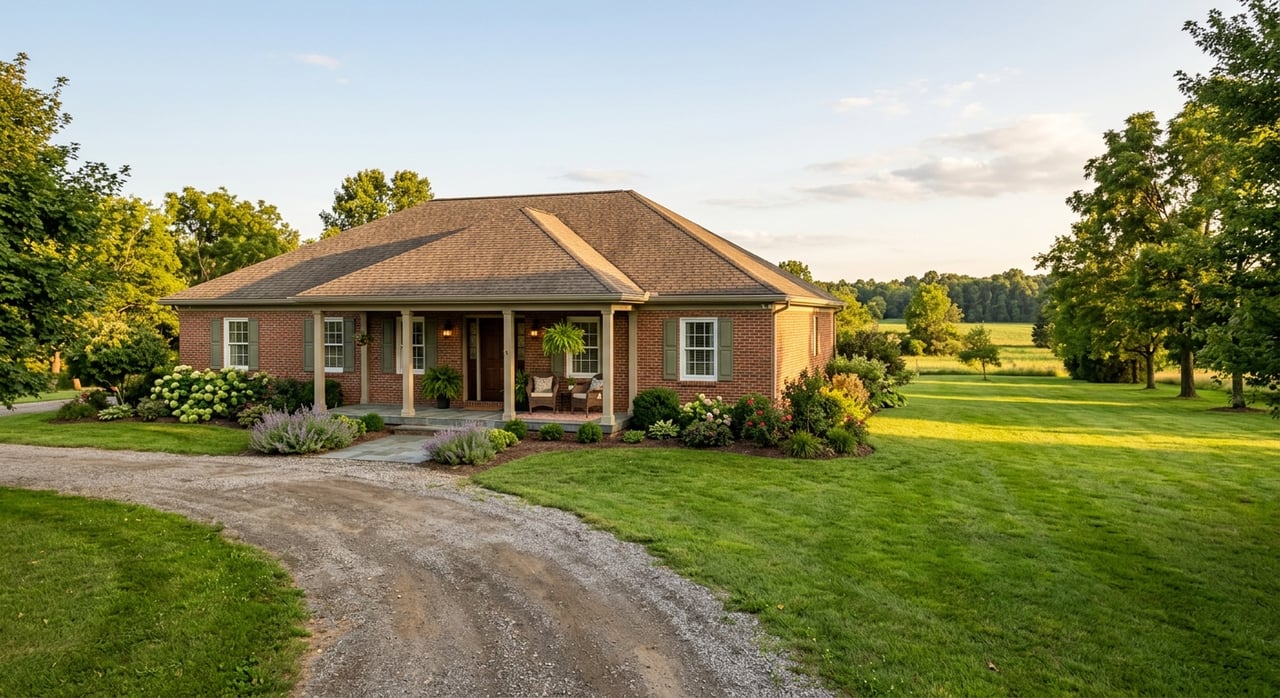
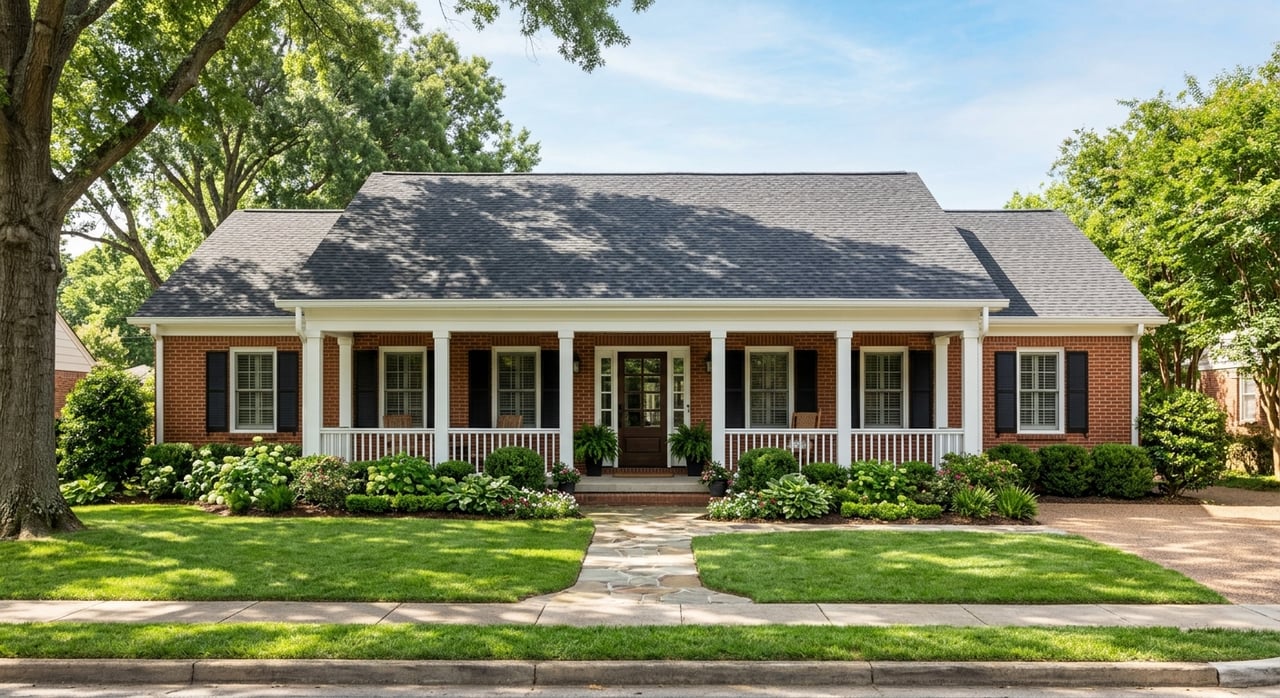
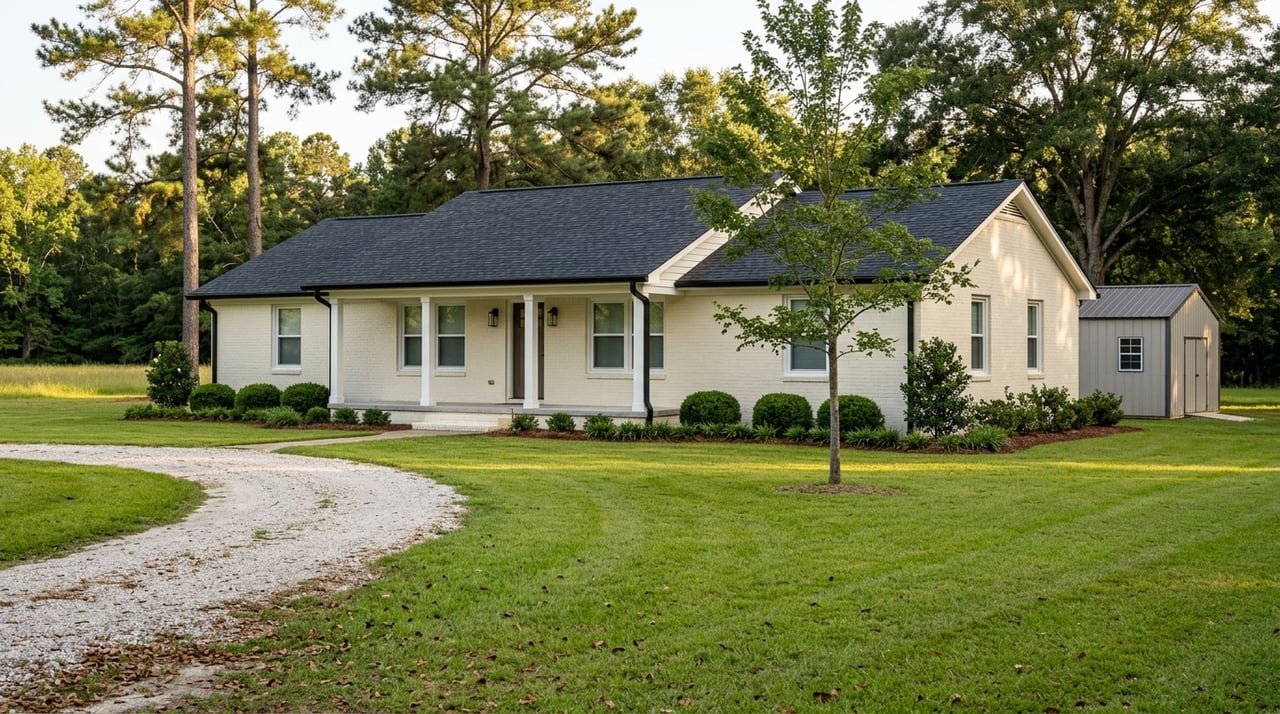
Single‑story layouts, low‑pitched roofs, and rectangular or L‑shaped footprints are typical. Many were built from the 1950s to the 1970s, often with brick or brick‑veneer exteriors and mature trees on moderate lots. You may even find original hardwoods under carpet in some homes.
Who they fit
If you want single‑level living with fewer stairs and an established neighborhood feel, brick ranches are a strong choice. They appeal to downsizers and families who want a simple, functional layout and a yard that is easy to maintain.
What to inspect and maintain
- Roofing: Check shingle age, flashing, and attic ventilation.
- Crawlspace and foundation: Many older ranches sit on crawlspaces. Look for moisture, mold, and any signs of termites. Good grading and working gutters are key.
- Brick and mortar: Brick is durable, but monitor mortar joints and sills for cracks or water intrusion.
- HVAC and energy: Older systems may be undersized for our hot, humid summers. Plan for duct sealing and added attic insulation to improve comfort and costs.
- Electrical and plumbing: Older wiring or original pipes may need updates. A licensed inspection is important.
Newer subdivisions
What you’ll find
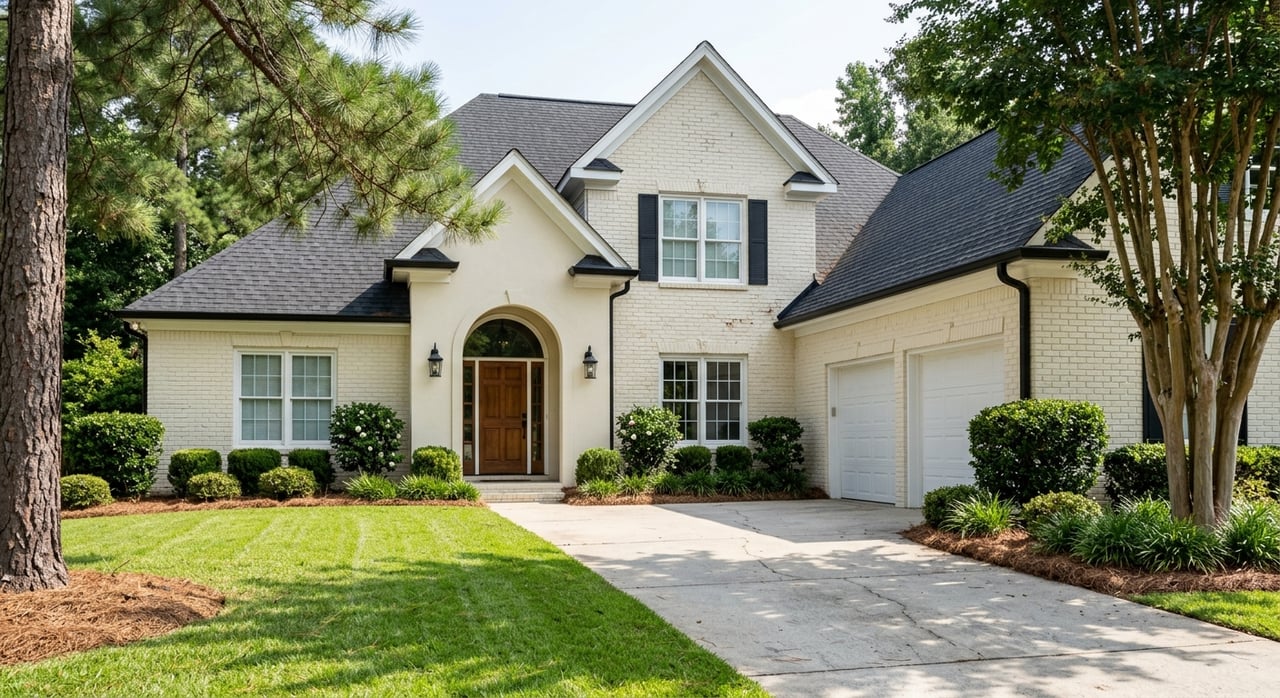
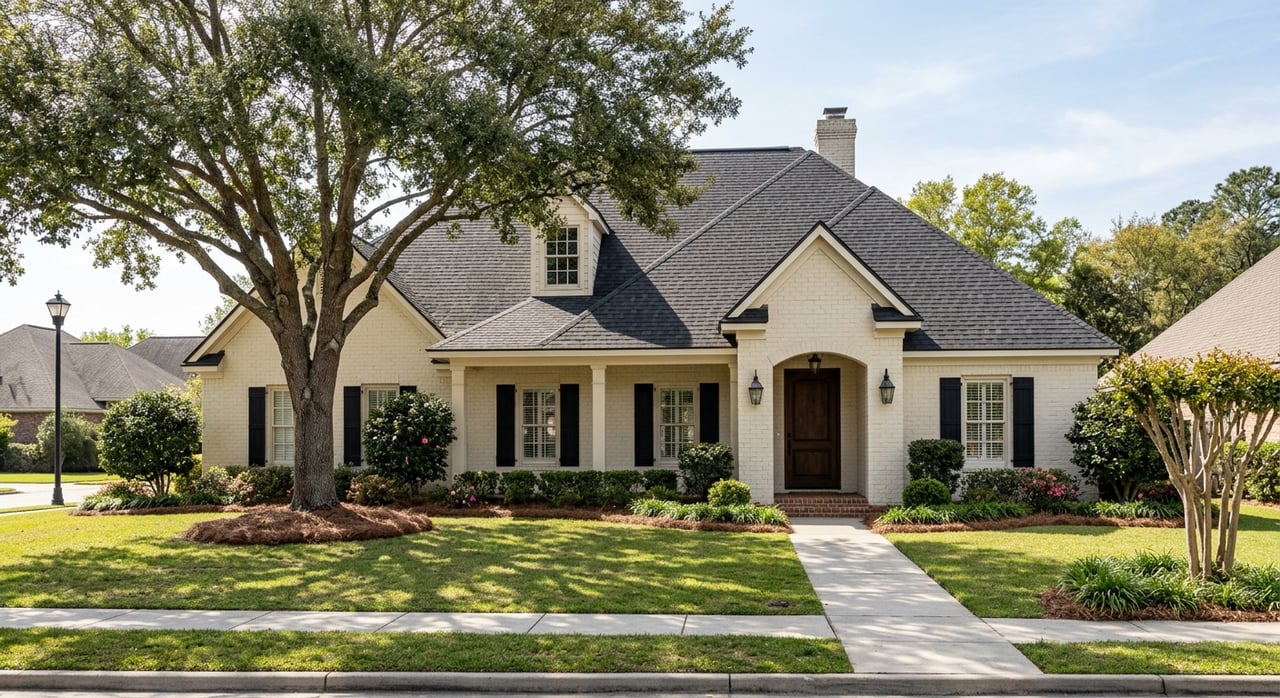
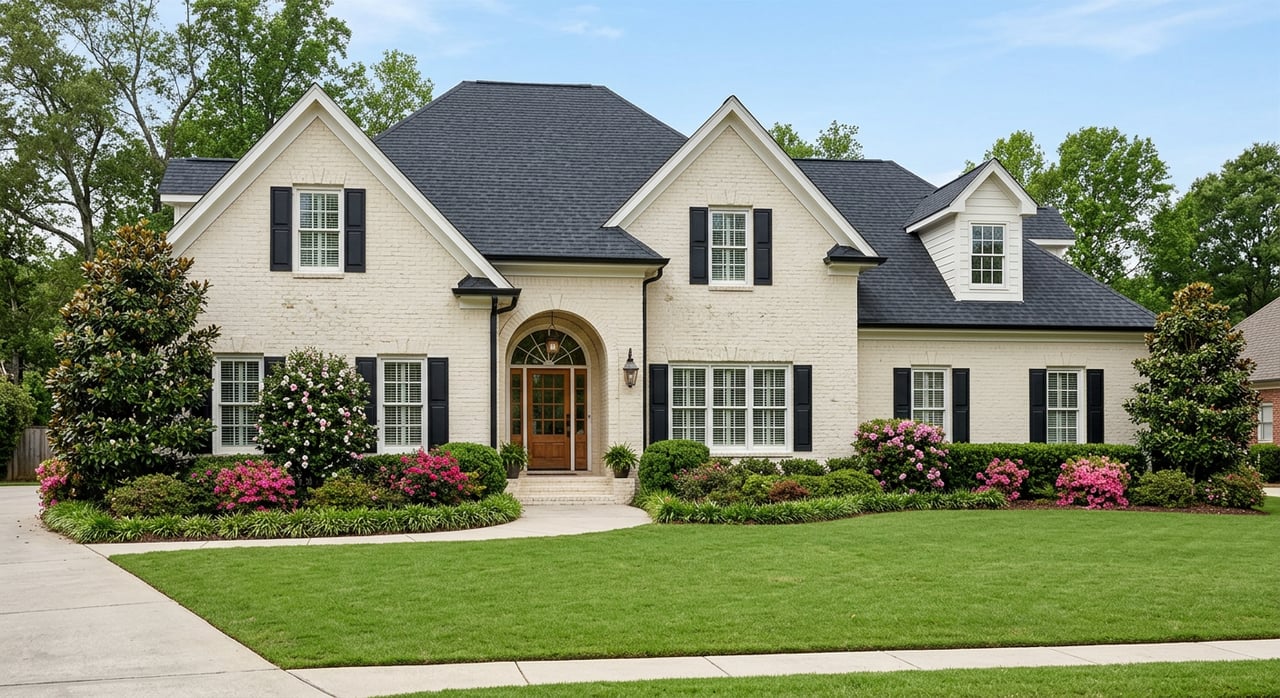
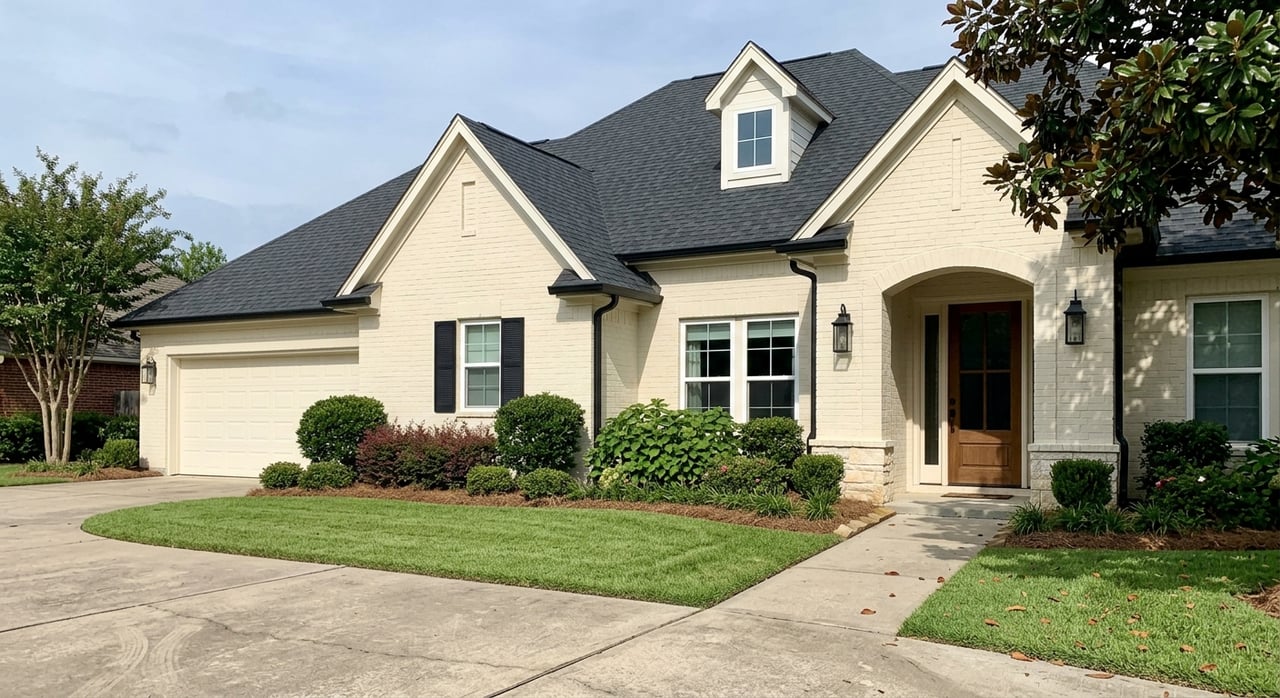
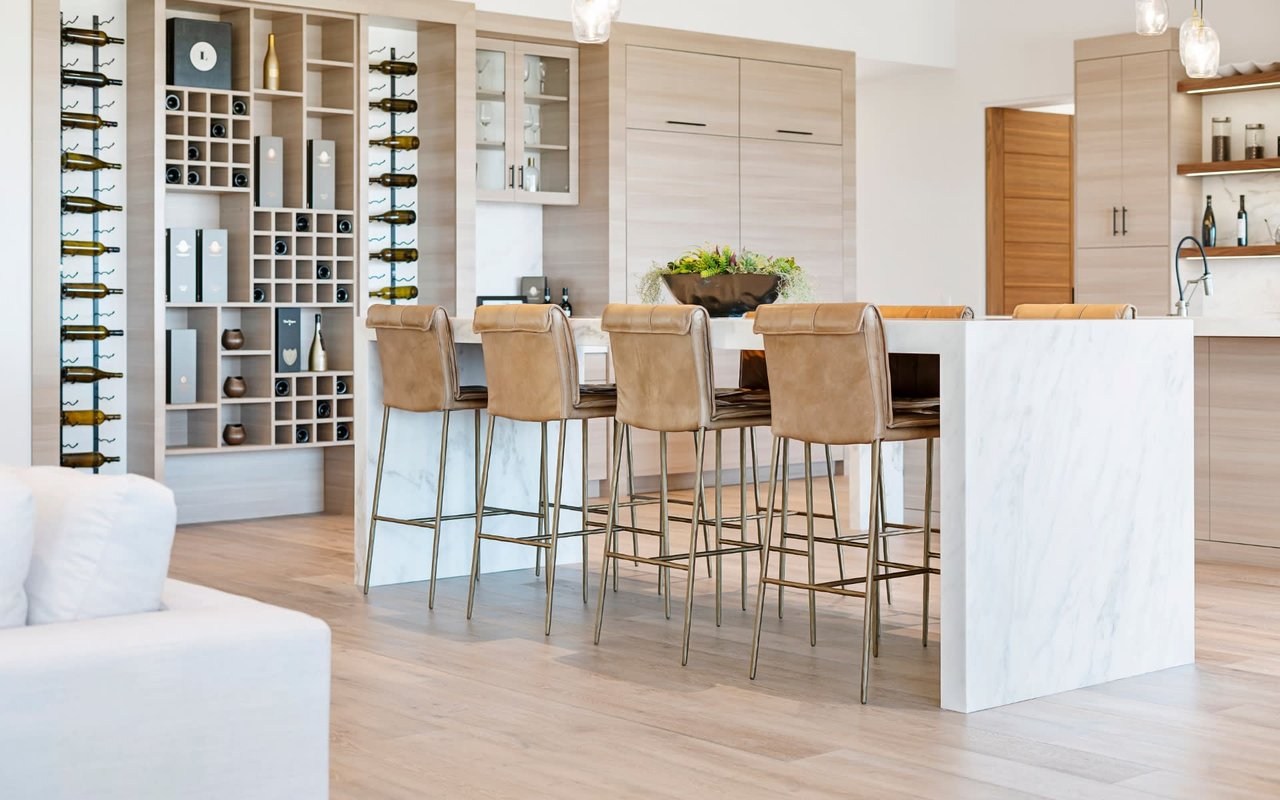
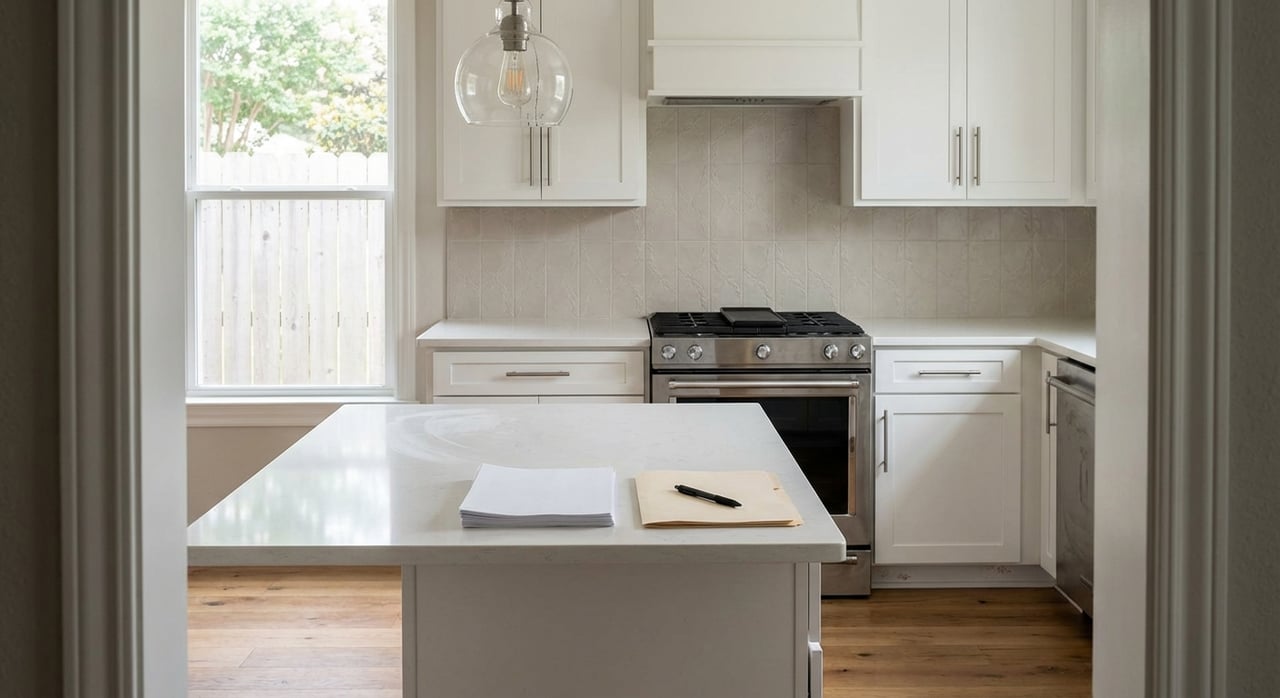
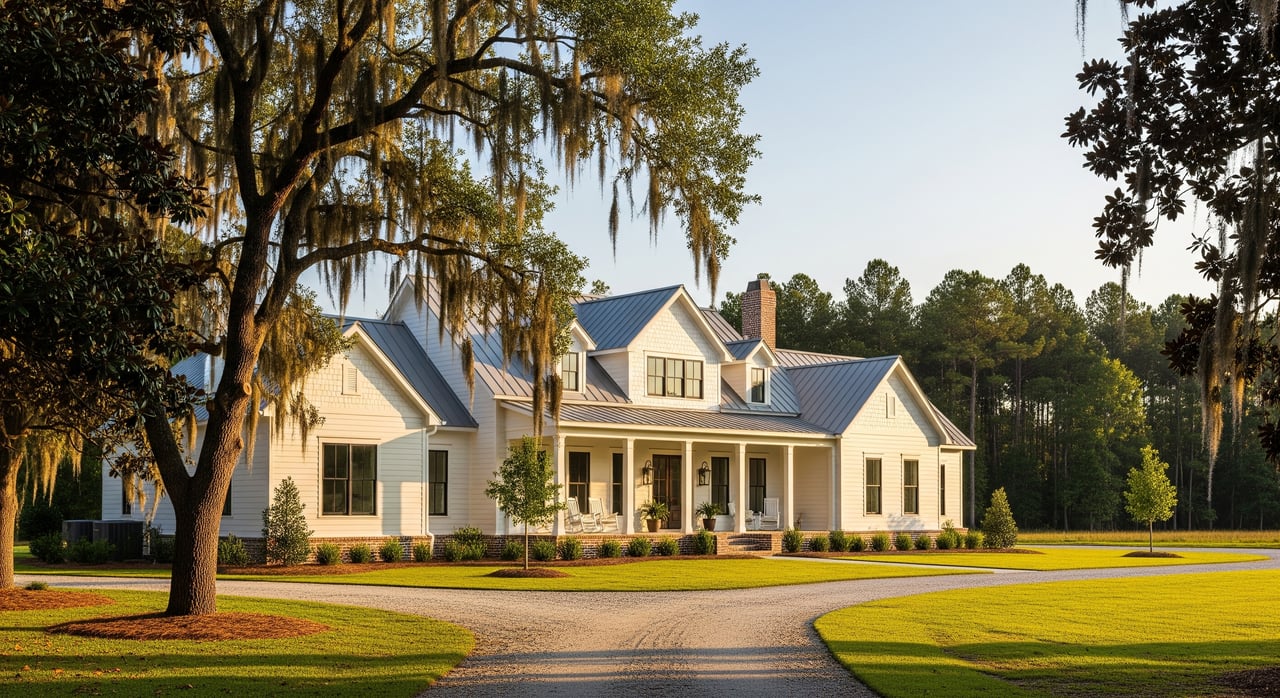
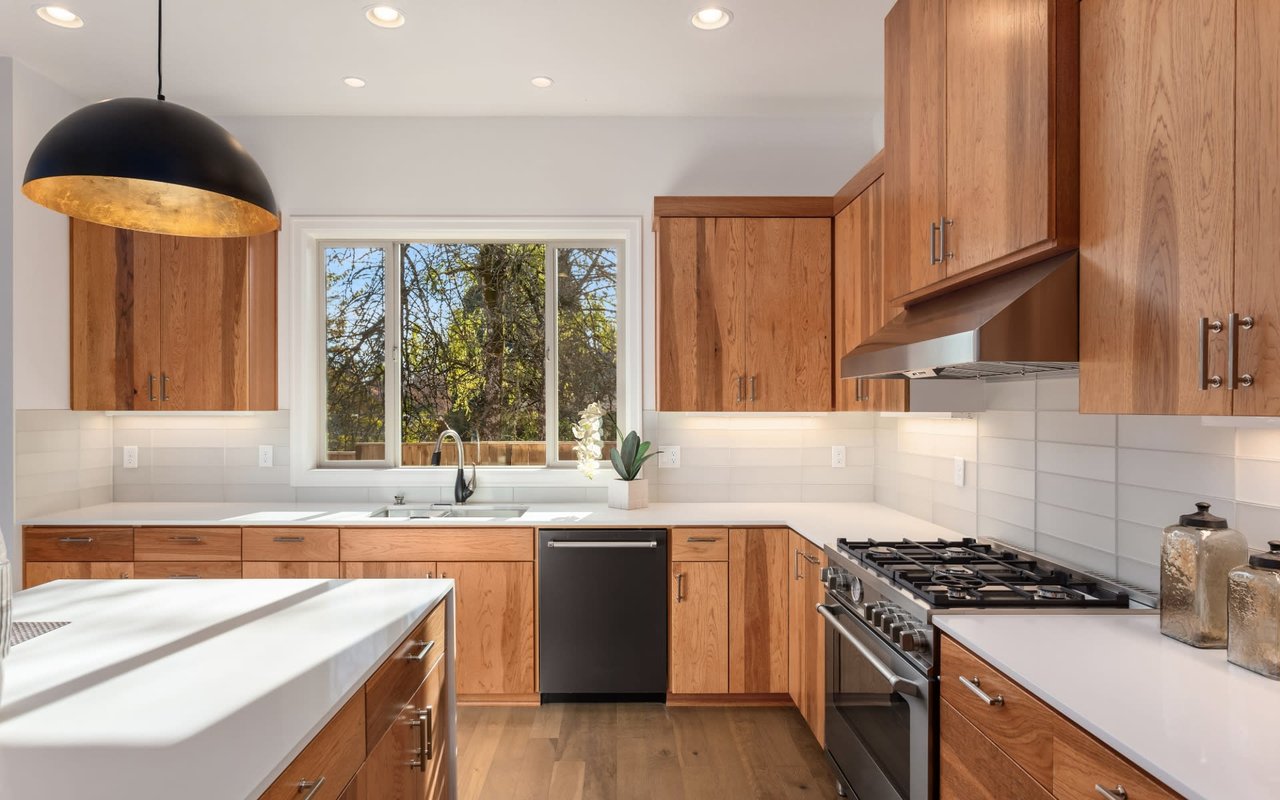
From the 1990s to today, subdivisions offer planned streets, sidewalks, cul‑de‑sacs, and modern floorplans. Expect open kitchens, primary suites, attached garages, and mixed exterior materials like vinyl siding, brick accents, or fiber‑cement. Some communities include amenities and are governed by homeowners associations.
Who they fit
If you value modern features, uniform curb appeal, and lower immediate exterior maintenance, subdivision homes fit well. HOA rules can help keep common areas tidy and appearances consistent.
What to inspect and maintain
- Exterior finishes: Vinyl, composite, and fiber‑cement have different lifespans. Check siding, trim, caulking, and paint where applicable.
- Drainage and gutters: Good lot grading and clear downspouts prevent foundation and yard problems.
- Irrigation: Many homes have sprinkler systems. Inspect for leaks and proper operation.
- HOA documents: Review fees, maintenance responsibilities, restrictions, and reserves so you can budget accurately.
- Energy systems: Confirm HVAC efficiency, insulation levels, and any builder warranties that transfer.
Townhomes and attached homes
What you’ll find
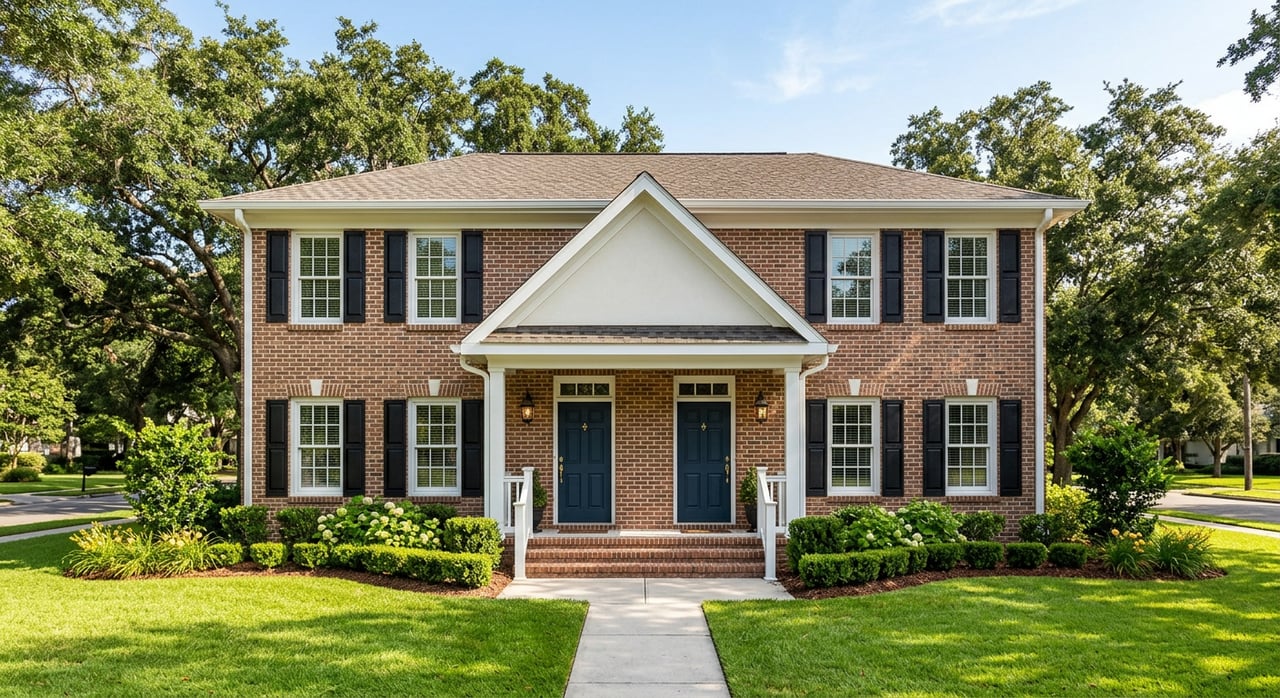
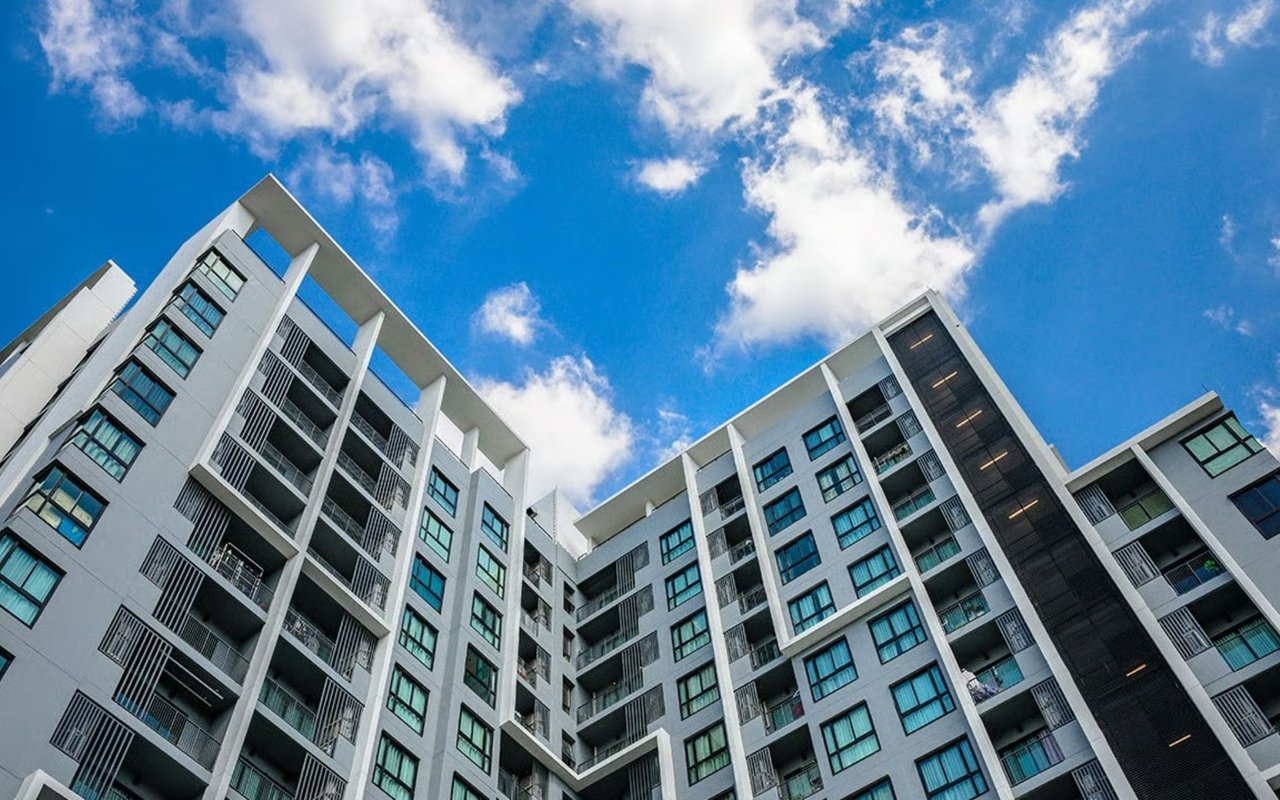
Attached homes are often two or three stories with smaller private outdoor spaces, shared walls or roofs, and association management. You’ll see these near commercial corridors, denser neighborhoods, and areas near institutions.
Who they fit
If you want low‑yard‑maintenance living close to services, townhomes are appealing. Be mindful that shared walls can mean less privacy and that parking and storage vary by community.
What to inspect and maintain
- Shared elements: Clarify who maintains roofs, siding, foundations, and common areas.
- Sound and safety: Ask about wall construction, soundproofing, and fire separation between units.
- Moisture: Look for signs of leaks or mold in basements, crawlspaces, and shared walls.
- HOA financial health: Review reserves, recent special assessments, and rules, as these affect your total cost of ownership.
Historic in‑town homes
What you’ll find
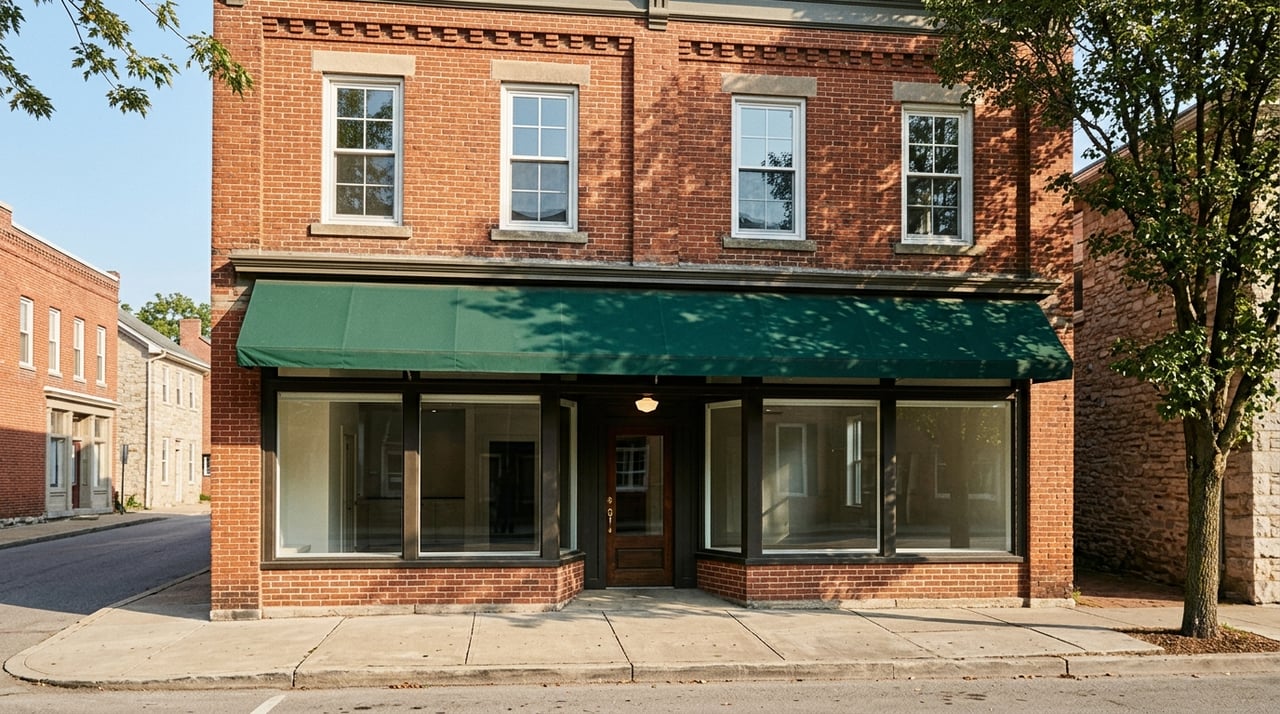
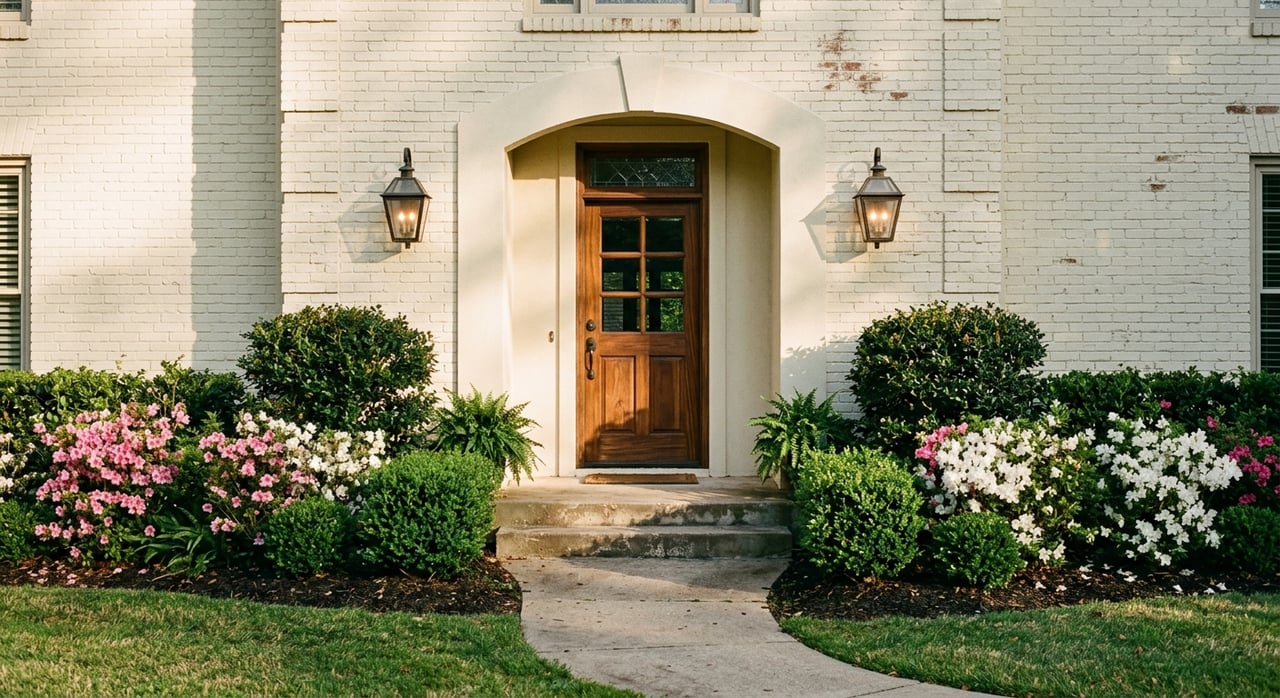
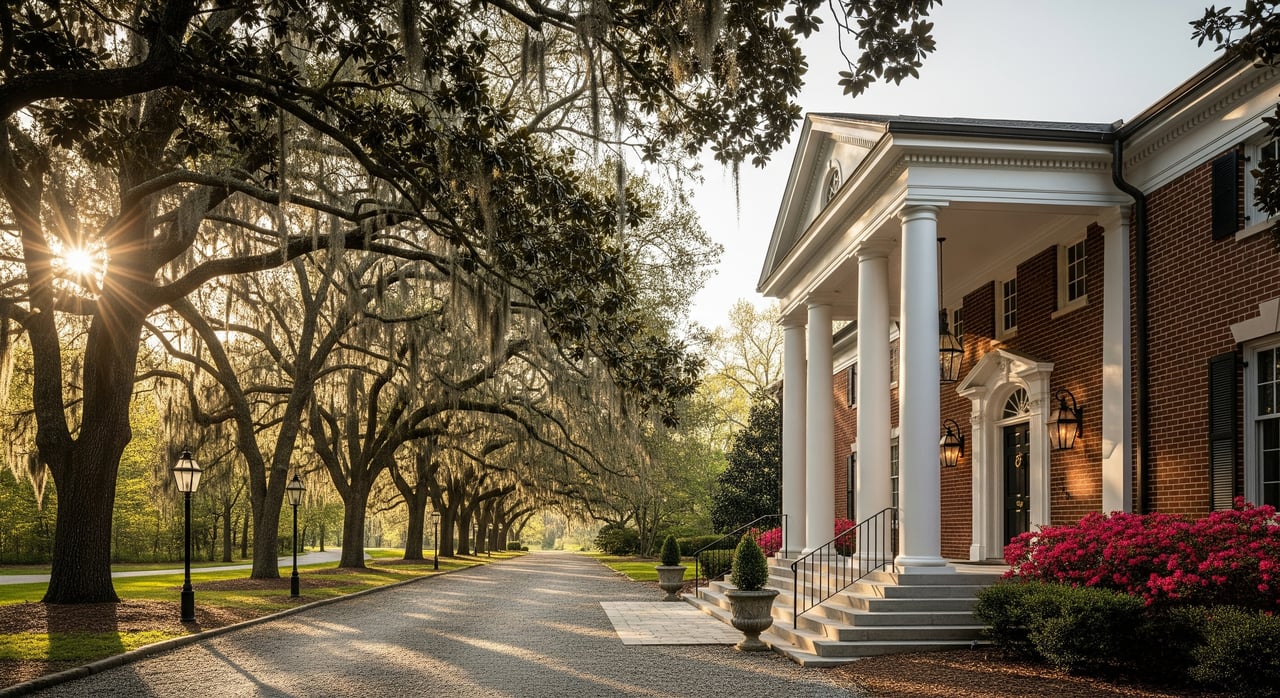
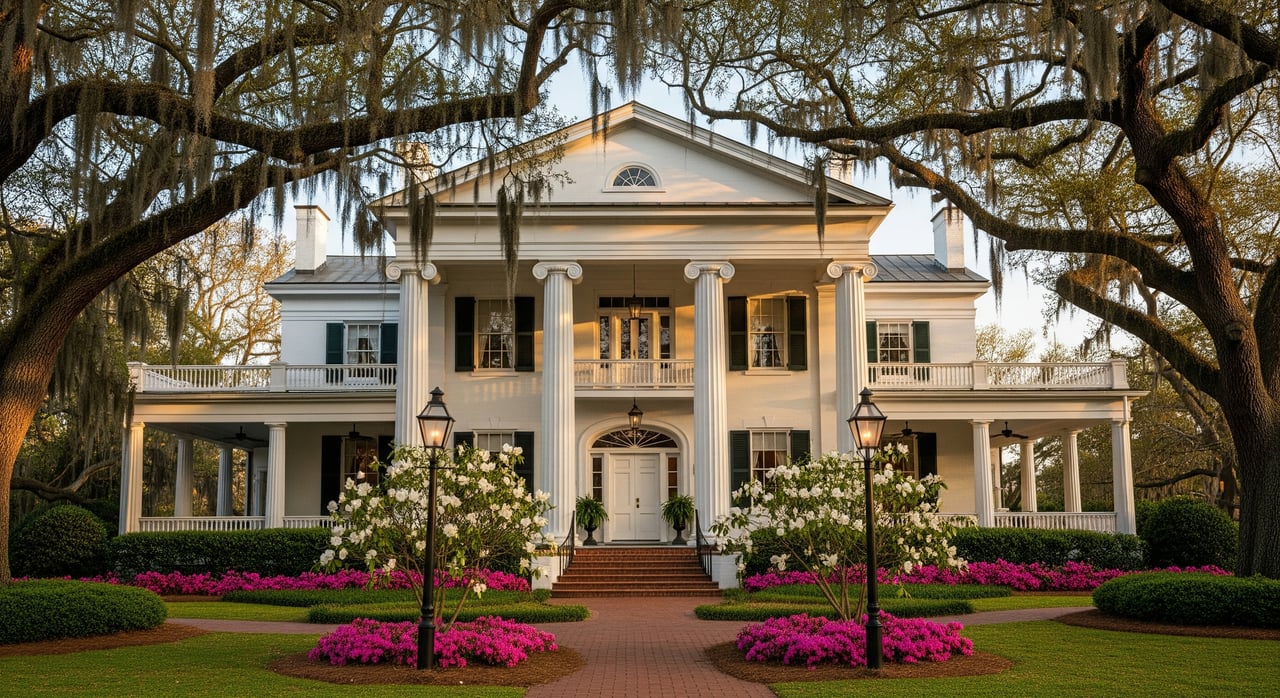
Early 20th‑century styles like Queen Anne, Craftsman/Bungalow, Colonial Revival, or Neoclassical show up near Valdosta’s older in‑town neighborhoods. Expect original woodwork, hardwood floors, generous porches, and walkable streets with mature trees.
Who they fit
Choose historic if you want architectural character, walkability, and proximity to downtown amenities. Plan for more ongoing maintenance and possible system upgrades to support modern living.
What to inspect and maintain
- Structure and exterior: Check wood siding and trim for rot, porch integrity, roof age, and flashing.
- Systems: Older homes may need updated HVAC, electrical, and plumbing.
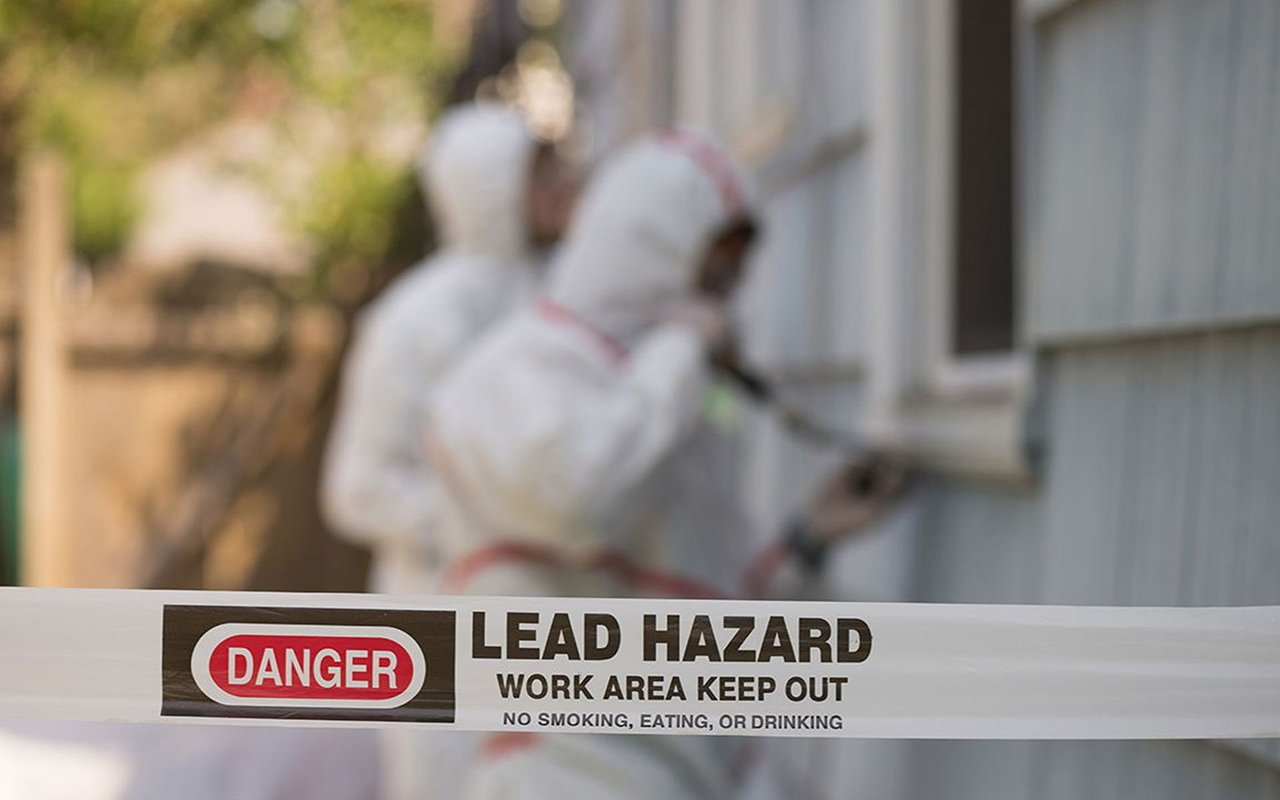
- Potential hazards: Homes built before 1978 may have lead‑based paint, and some older insulation or boilers can contain asbestos. Testing and proper remediation may be needed.
- Rules and incentives: Exterior changes can be subject to design review in historic districts. For preservation guidance and potential incentives, review the National Park Service tax incentive overview and the Georgia State Historic Preservation Office. Contact the City of Valdosta planning or historic preservation office before planning exterior work.
Valdosta’s climate and what it means for you
Valdosta has a humid subtropical climate with hot, humid summers and mild winters. That affects comfort, maintenance, and long‑term costs.
- Cooling load: Sizing and condition of HVAC and ductwork matter. Keep filters clean and ducts sealed to keep energy use in check.
- Moisture control: Our humidity can drive mold and mildew. The EPA’s mold guidance is a helpful reference for prevention and cleanup.
- Termites and pests: Preventive treatment and inspections are standard in Georgia. Learn more from the University of Georgia Cooperative Extension on termites.
- Storms and flooding: Inland South Georgia can still see tropical systems and heavy rain. Always check your property’s flood zone at the FEMA Flood Map Service Center and confirm insurance needs.
- Energy upgrades: Attic insulation, air sealing, and efficient HVAC help with summer comfort. See the U.S. Department of Energy’s insulation basics.
- Climate background: For local climate normals and precipitation patterns, consult NOAA’s NCEI climate summaries.
Quick style‑by‑style checklists
Brick ranch checklist
- Inspect crawlspace for moisture, vapor barriers, and pests.
- Evaluate mortar joints, lintels, and window sills for cracks.
- Test HVAC capacity and inspect duct insulation.
- Confirm electrical panel and plumbing updates where needed.
Newer subdivision checklist
- Review HOA CC&Rs, fees, and reserves before you buy.
- Inspect siding, trim, and caulking at penetrations.
- Verify grading, gutters, and downspouts direct water away.
- Test irrigation zones and check for leaks.
Townhome checklist
- Clarify association coverage for roof, exterior, and foundations.
- Review reserve studies and recent assessments.
- Check party wall construction and noise levels at different times of day.
- Inspect for moisture migration at shared walls and floors.
Historic in‑town checklist
- Look for wood rot, porch settlement, and roof age.
- Ask about electrical, HVAC, and plumbing upgrades.
- Consider testing for lead paint in pre‑1978 homes and asbestos where applicable.
- Verify any local design review rules before exterior changes.
Pre‑purchase inspection essentials
No matter the home style, a thorough inspection gives you leverage and peace of mind. Use this short list as a guide:
- Structural: Foundation type, visible cracks, and any signs of settlement.
- Roof: Age, missing shingles, flashing, ventilation, and leak history.
- HVAC: Age, service records, cooling capacity, and duct condition.
- Moisture and pests: Mold or prior water intrusion, plus a termite inspection and treatment history.
- Drainage: Positive grading, gutter function, and any French drains or swales.
- Insulation and ventilation: Attic levels, soffit or gable ventilation, and crawlspace vapor barriers.
- Electrical and plumbing: Panel capacity, GFCI/AFCI protection, pipe materials, and water heater age.
- Windows and doors: Weather seals, caulking, and energy performance.
- Environmental: Lead paint in pre‑1978 homes, potential asbestos in older materials. Radon is less common in the Southeast, but testing is available if desired.
Seasonal upkeep for South Georgia
Stay ahead of weather and wear with a simple routine.
Spring
- Service AC, clean coils, and replace filters.
- Clear gutters and confirm proper grading after storms.
- Schedule a termite inspection and confirm any barriers or bait systems.
Summer
- Control indoor humidity. If it stays above 50 percent, consider dehumidification.
- Check irrigation performance and repair leaks.
Hurricane and storm season
- Secure loose items, trim dead branches, and inspect the roof.
- Review flood coverage and confirm wind and hail insurance as needed.
Fall and winter
- Inspect roof and attic after stormy periods; top up insulation if needed.
- Service heating equipment and confirm proper venting.
- Recheck drainage for any low spots or pooling.
How to choose your best fit
Think about how you live now and how you plan to live for the next 5 to 10 years.
Lifestyle tradeoffs
- Brick ranch: Easy single‑level living and mature yards, with potential interior updates for energy and systems.
- Newer subdivision: Modern layouts and less immediate exterior upkeep, with HOA rules and dues.
- Townhome: Lower yard work and often a lower price point, balanced by shared walls and association fees.
- Historic in‑town: Character and walkability, with higher maintenance needs and possible design rules.
Budget and risk
- HOAs: Review fees, reserves, rental and pet policies, and maintenance responsibilities.
- Flood: Check FEMA maps and confirm insurance requirements with your lender or insurer.
- Termites and moisture: Plan for ongoing prevention in your annual budget.
- Energy: Older homes may have higher cooling bills. Factor in HVAC upgrades and insulation.
Daily logistics
- Commute and proximity to work, schools, and services can affect your quality of life and resale prospects.
- Yard size vs walkability is a personal choice. In‑town areas tend to be more walkable with smaller yards, while suburban subdivisions typically offer larger lots and garages.
If you want a second set of eyes on your shortlist, a local pro can help you weigh the tradeoffs, estimate likely upgrades, and navigate inspections with the right specialists.
Ready to find your fit in Valdosta? Reach out to Terri-Partners for practical, local guidance from search to close.
FAQs
What are the main home styles in Valdosta?
- You’ll most often see single‑story brick ranches, newer subdivision homes, townhomes or attached units, and early 1900s historic in‑town properties with classic Southern architecture.
How does Valdosta’s climate affect home maintenance?
- Hot, humid summers increase cooling needs and moisture risks. Focus on HVAC capacity, duct sealing, attic insulation, and moisture control to prevent mold and wood rot.
Do I need to worry about termites in South Georgia?
- Yes, routine prevention and inspections are standard across Georgia. Review treatment history and schedule regular checks with guidance from UGA Cooperative Extension.
How can I check a property’s flood risk in Lowndes County?
- Look up the address at the FEMA Flood Map Service Center to see flood zone designations, then confirm coverage needs with your insurer and lender.
What should I review before buying in an HOA neighborhood?
- Read CC&Rs, fees, reserves, rules, and maintenance responsibilities. These affect your budget, exterior changes, and any rental or pet policies.
Are there incentives for renovating a historic home in Valdosta?
- Some preservation incentives apply to certified projects, often for income‑producing properties. Start with the National Park Service and Georgia SHPO, and check local design review rules before exterior work.