Are you thinking about buying commercial property in Tifton for your business or as part of a long-term investment plan? It is an exciting step, but it also comes with more moving parts than many buyers expect. If you understand how Tifton’s corridors, downtown rules, zoning process, and due diligence fit together, you can make a much more confident decision. Let’s dive in.
Tifton’s commercial market has two very different stories
Tifton’s commercial market is shaped by both highway access and downtown character. The city sits along I-75 and is connected by key routes including Highway 82, Highway 319, U.S. 41, and SR 125, which gives many properties strong regional visibility.
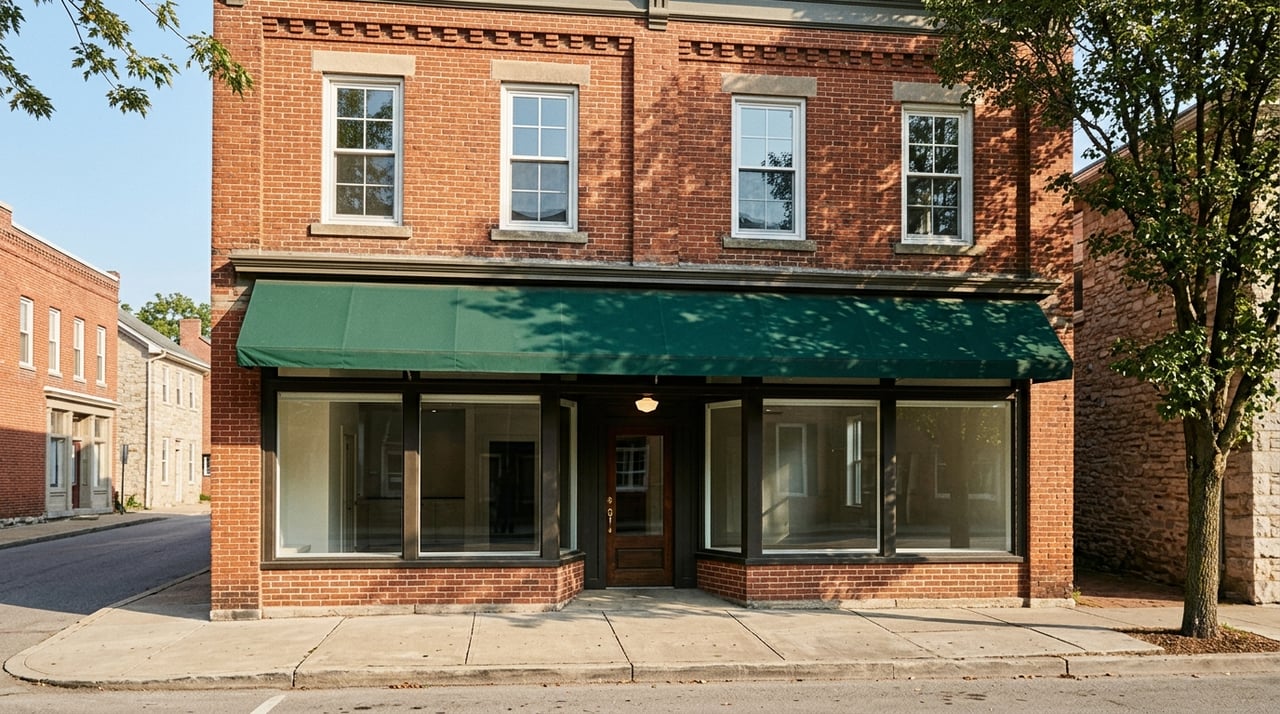
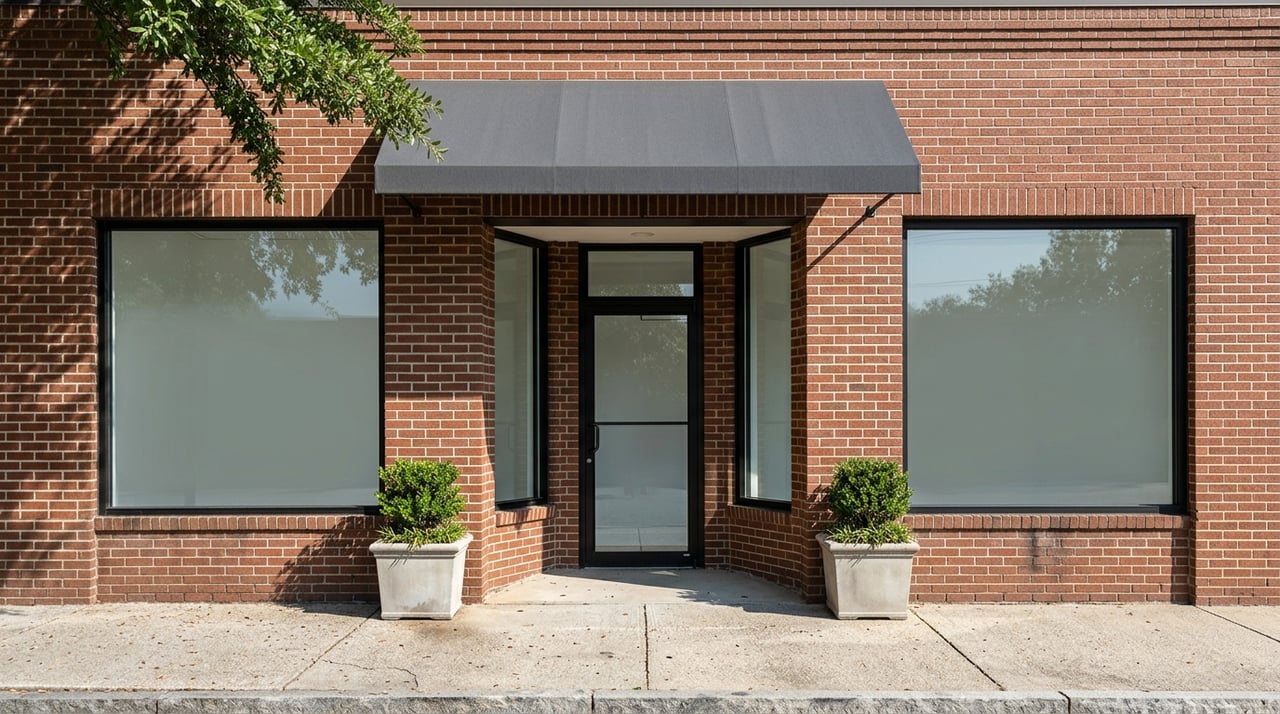
At the same time, downtown Tifton works differently than a corridor site. The city’s comprehensive plan describes downtown as a mixed-use area with retail, restaurants, entertainment, support services, city services, and nearby housing, with a focus on walkability, bikeability, historic reuse, and flexible parking.
That means your best location depends on how your business will operate. A property near major roadways may offer visibility and access for drivers, while a downtown location may depend more on pedestrian flow, curb appeal, parking strategy, and how well the space fits the surrounding fabric.
Location means more than traffic count
In Tifton, visibility is not just about being on a busy road. Georgia DOT notes that the US 82 and US 319 corridor has long dealt with congestion and truck traffic that affect safety, retail access, and downtown vitality.
For you as a buyer, that means site access matters just as much as exposure. You will want to look closely at turning movements, curb cuts, ease of entry and exit, and whether customers or deliveries can realistically use the property without frustration.
Downtown sites require another layer of thinking. If you are considering a Main Street or Railroad District property, success may depend on walkability, nearby businesses, available parking, and whether the building supports the kind of street-level presence your business needs.
Zoning should be your first checkpoint
Before you get too far into a deal, confirm that your intended use is allowed. The City of Tifton’s planning and zoning division handles property use, setbacks, parking, and signage, and the city notes that the online code may not always include the latest amendments.
That is why an early zoning check matters so much. The city offers both pre-development meeting requests and zoning verification letters, which can help you confirm what is allowed before you remove contingencies or spend more money on the deal.
This is especially important if you are buying for a specific use, such as retail, office, restaurant, service business, or mixed-use occupancy. A building that looks right on the surface may still have restrictions tied to parking, lot size, service access, screening, or signage.
Historic district rules can affect your plans
If the property is in Tifton’s historic district or historic overlay area, expect an added layer of review. The city’s Historic Preservation Commission reviews exterior construction, alterations, and changes to homes and businesses in the historic district.
For you, this matters most if you plan to renovate the exterior, add signage, change windows or doors, or otherwise alter the building’s appearance. Even a property with strong charm and location can become more complex if your plans do not align with the required review process.
Downtown Tifton includes areas where historic character is part of the long-term plan. If you are drawn to an older building, make sure you understand both the opportunity and the approval process before you commit.
Permits and licenses come after the purchase decision
Buying the property is only one step. Before a business can open in the City of Tifton, it must obtain a city business license, and certain inspections may be required before the occupation tax certificate is issued.
Depending on the property and use, those inspections can include fire, zoning, building code, and sanitation. If your business needs mounted or freestanding signs, the city also requires sign permits.
Some uses can involve added steps. Food service and alcohol-related uses may require additional licensing, so it is smart to map those requirements early while you are still evaluating timeline and cost.
Should you lease or buy in Tifton?
This is one of the biggest questions for any small-business buyer. In general, leasing usually takes less cash or credit upfront and may work well if you want flexibility or you are still testing market demand.
Buying usually requires more upfront resources, but it may cost less over time and allows you to build equity in the property. The better choice often comes down to your cash position, how established your business is, and whether this location is part of your long-term operating plan.
If you are looking at an existing downtown business location, this question becomes even more important. You should review the full picture, including contracts, licenses, zoning, environmental concerns, and how much cash flow the business can realistically support.
Financing often depends on business strength
If you plan to buy commercial property for your own business use, SBA-backed financing may be one option to explore with your lender. The 7(a) program can be used to acquire, refinance, or improve real estate and buildings, and the 504 program can finance existing buildings, land, new facilities, and certain site improvements.
But financing approval is not just about the property. SBA guidance makes it clear that repayment is typically tied to business cash flow, and lenders will also look at credit history, business activity, and operating strength.
If you are a newer business owner, personal credit may play a major role. Asking lenders early what they expect for cash flow support, down payment, and eligible costs can help you avoid surprises later.
Due diligence matters more than curb appeal
A commercial building can look like a perfect fit and still bring hidden risk. In Tifton, some of the most important due diligence items involve zoning, taxes, permits, insurance, and environmental conditions.
You should also think beyond the purchase price. A property that seems affordable at first can become much more expensive once you account for signage rules, parking improvements, inspections, renovations, insurance, or tax changes.
Here are some of the most important items to verify before closing:
- Confirm zoning and permitted use with the City of Tifton.
- Check setbacks, parking, loading, service entrance rules, and signage requirements.
- Verify whether the property is in a historic district or overlay area.
- Review the current tax picture and how a new assessment could change future taxes.
- Ask about inspection and licensing steps tied to your business type.
- Build insurance and operating costs into your numbers.
- Order environmental due diligence for older buildings, former gas stations, vacant commercial sites, or redevelopment properties.
Property taxes can shift your numbers
In Georgia, real property is assessed at 40 percent of fair market value. Property tax returns are generally due between January 1 and April 1, and taxes are generally due by December 20, although local deadlines can vary.
In Tift County, revaluation notices can materially change the tax picture because new assessments are based on updated fair market value. That means a buyer should not assume the seller’s past tax bill will match future ownership costs.
When you underwrite a deal, use current information and ask how reassessment could affect your annual expense. This is one of the easiest ways to avoid a budget surprise after closing.
Older commercial sites need environmental review
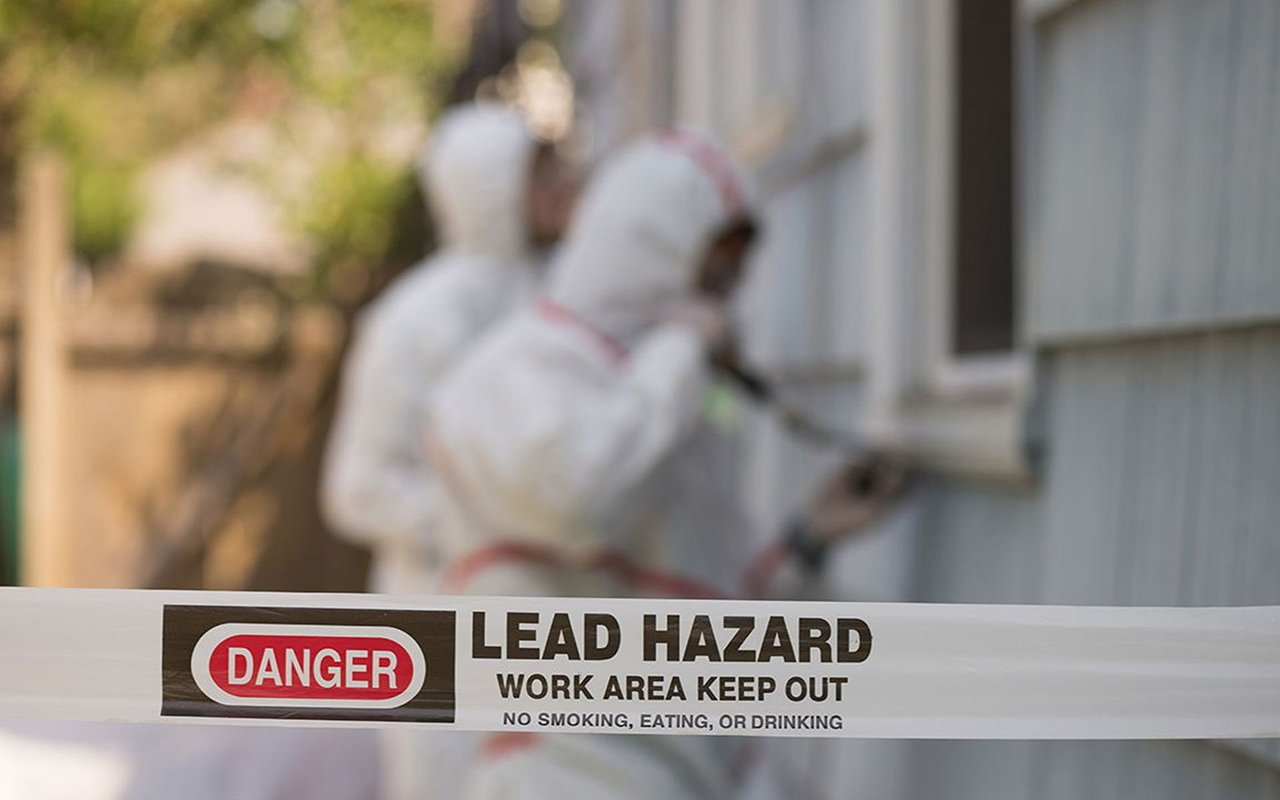
If you are buying an older commercial building or a redevelopment site, environmental due diligence is a must. This is especially important for former gas stations, long-vacant commercial buildings, or properties with a history of industrial or automotive use.
EPA guidance says commercial and non-residential buyers seeking certain liability protections should complete All Appropriate Inquiries before taking site control. That process includes records review, interviews, visual inspection, and a written report by an environmental professional.
This is not an area to shortcut. Environmental issues can affect financing, redevelopment plans, cleanup responsibility, and the long-term value of the property.
Insurance and operating risk belong in your plan
Many buyers focus heavily on the sale price and renovation budget, but operating risk matters too. The Tifton Fire Department states that the city has an ISO rating of 2, which it says helps insurance costs for citizens and businesses.
Even so, insurance costs will still vary based on the building, use, condition, and occupancy. It is wise to request insurance estimates during due diligence so you can compare realistic ownership costs, not just best-case assumptions.
When to bring in a commercial agent
Some commercial purchases are fairly straightforward, but many are not. If you are deciding between leasing and buying, evaluating a downtown or historic building, seeking a use interpretation, planning a rezoning request, or working through SBA financing, the process can become complex quickly.
In Tifton, those deals often require coordination with planning, building, code staff, lenders, and sometimes the Historic Preservation Commission or City Council. Having an experienced local commercial agent can help you keep the property search, contract terms, approvals, and due diligence timeline aligned.
A good commercial purchase is not just about finding a building. It is about finding a property that fits your business, your timeline, and your long-term goals in the Tifton market.
If you are considering a commercial purchase in Tifton, local guidance can make the process much clearer from the start. The team at Terri-Partners can help you evaluate location, zoning questions, property fit, and next steps with practical South Georgia market insight.
FAQs
What should you check first before buying commercial property in Tifton?
- Start by confirming zoning, permitted use, parking, setbacks, and signage requirements with the City of Tifton before moving too far into the deal.
How does downtown Tifton differ from corridor commercial property?
- Downtown properties may depend more on walkability, mixed-use context, historic rules, and street-level visibility, while corridor sites often focus more on highway access, traffic flow, and entry points.
Do historic district rules affect commercial buildings in Tifton?
- Yes. If a property is in the historic district or overlay area, exterior changes may require review by the Historic Preservation Commission.
Can you use SBA financing to buy commercial property in Tifton?
- In some cases, yes. SBA 7(a) and 504 programs may help finance owner-occupied commercial real estate, but lender approval depends heavily on business cash flow, credit, and eligibility.
Why is environmental due diligence important for older Tifton commercial sites?
- Older buildings, former gas stations, vacant sites, and redevelopment properties can carry environmental risk that may affect financing, liability, and future use, so early review is important.
Should you lease or buy commercial space in Tifton?
- It depends on your cash, credit, flexibility needs, and long-term business plan. Leasing can reduce upfront cost, while buying may build equity and support long-term stability.