Wondering if you can buy in or around Valdosta with little to no money down? If you are eyeing neighborhoods in Lowndes County, a USDA loan might be a smart path to homeownership. The rules are specific and the map matters, which can make the process feel confusing at first. This guide breaks down what counts in Valdosta and Lowndes County so you can decide if a USDA loan fits your budget and timeline. Let’s dive in.
USDA loans in plain English
USDA Rural Development offers two single‑family home loan options designed to expand homeownership in eligible rural areas. The Guaranteed Loan Program is funded by approved private lenders and backed by USDA. The Direct Loan Program serves very‑low and low‑income borrowers with loans made directly by USDA. You can explore both on the official USDA Single‑Family Housing programs page.
- Guaranteed Loan Program: Often allows 100% financing for eligible buyers and properties. You apply through a participating lender. Read more about the USDA Guaranteed Loan Program.
- Direct Loan Program (Section 502 Direct): Designed for very‑low and low‑income households and may include payment assistance. Learn about USDA Direct Home Loans.
Across both programs, you must use the home as your primary residence, meet income and credit guidelines, and choose a property that meets USDA’s location rules and minimum property standards.
Who qualifies in Valdosta and Lowndes County
Property location comes first
USDA uses an address‑specific eligibility map. Some addresses within Valdosta city limits may be ineligible because of population and urbanized area rules, while many nearby neighborhoods and unincorporated parts of Lowndes County are commonly eligible. Always check the exact address on the USDA property eligibility map before you fall in love with a home.
Household income limits
USDA sets county‑level income limits by household size, and they change over time. Your household’s gross income is compared to the current limit for Lowndes County. Use the USDA income lookup for Lowndes County to see where you stand.
Credit, debt, and cash to close
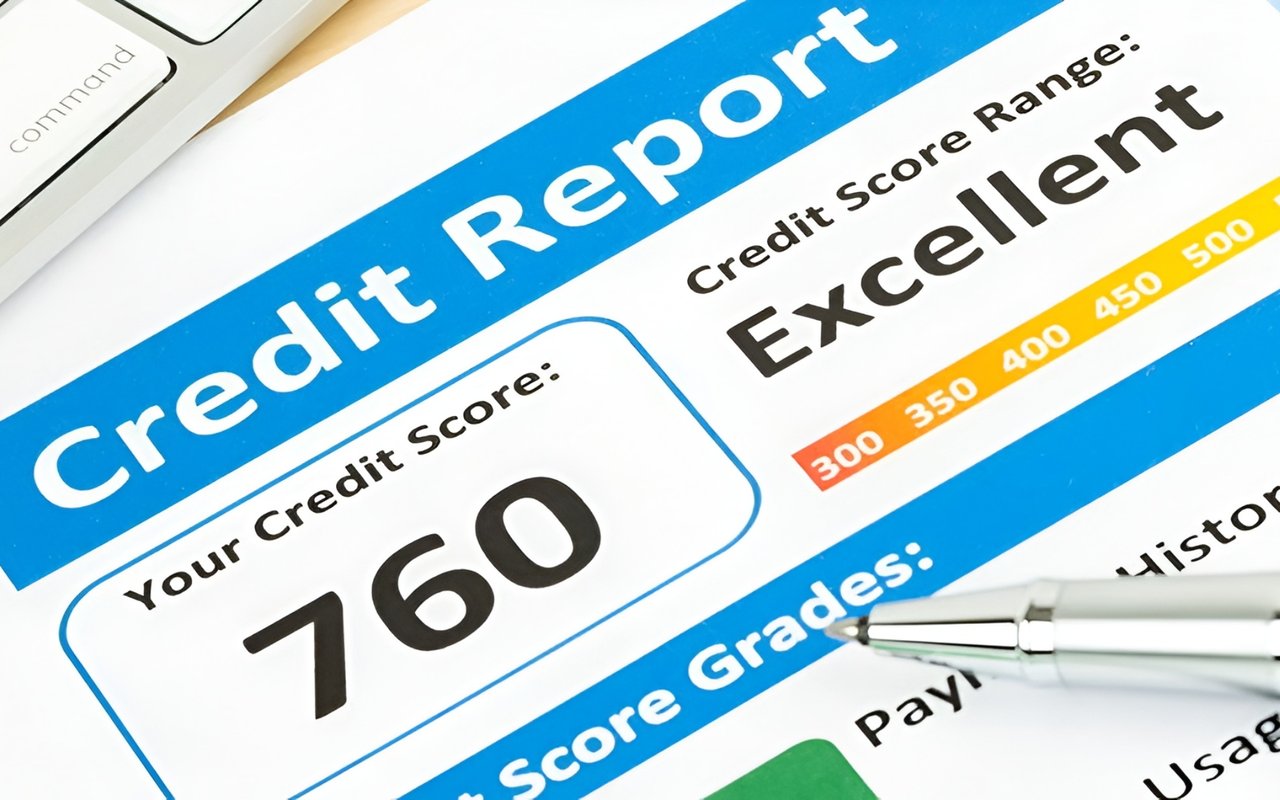
For Guaranteed loans, many lenders cite a 640 score as a common guideline, but lender standards vary and USDA can be flexible in some cases. Debt‑to‑income ratios also matter and can stretch with strong compensating factors. USDA does not require large reserves, and some closing costs can be covered by seller concessions or in limited cases financed into the loan. Confirm details with your lender.
Property type and condition
Eligible properties include most single‑family homes, some condos, and certain manufactured homes if they meet USDA rules and are permanently attached. Homes must meet USDA Minimum Property Requirements related to safety, soundness, and utilities. In rural purchases, items like septic systems, wells, or non‑standard utilities may trigger repairs that must be completed before closing.
Step‑by‑step: how a USDA purchase works here
Your 8‑step path
- Do early market homework. Look at typical prices in Valdosta and nearby towns to see how they fit your budget and potential income limits.
- Check the address on the USDA property eligibility map. If a property is not eligible, try nearby addresses in Lowndes County.
- Confirm income eligibility with the USDA income lookup for your household size.
- Choose your lane. For Guaranteed loans, work with a lender experienced with USDA. For Direct loans, contact the USDA Rural Development Georgia office to understand timing and application steps.
- Get preapproved and gather documents. Expect to provide pay stubs, W‑2s, tax returns, bank statements, and ID while your lender runs credit and calculates debt ratios.
- Make a clean offer. Include a USDA financing contingency and a realistic timeline. Ask about seller concessions if you need help with closing costs.
- Appraisal and inspections. The appraisal checks value and property standards. Plan for required repairs and order inspections early, especially for well and septic.
- Final approval and closing. The lender (Guaranteed) or USDA (Direct) issues the final decision. Verify all fees and your total monthly payment before you sign.
USDA vs FHA vs conventional: which fits you?
Down payment
- USDA: Often 0% down for eligible buyers.
- FHA: Minimum 3.5% down.
- Conventional: Often 3–5% down for first‑time or qualifying buyers.
Location rules
- USDA: Property must be in an eligible rural area.
- FHA/Conventional: No rural map requirement.
Income limits
- USDA: County‑specific income caps apply.
- FHA/Conventional: No government income cap, but standard underwriting applies.
Monthly costs and fees
- USDA: Uses a guarantee fee structure that includes upfront and annual components. Confirm current rates with your lender.
- FHA: Has upfront and annual mortgage insurance premiums.
- Conventional: Private mortgage insurance varies with credit and down payment and can be removed after reaching certain equity.
Best fit
- USDA: You want zero down and your target address is eligible with income under the limit.
- FHA: You need flexible credit terms and are buying in an ineligible area.
- Conventional: You have stronger credit or prefer a path where PMI can be removed.
Smart tips for shopping in Lowndes County
- Check the map early. Do not assume a Valdosta address will or will not qualify. Confirm on the USDA tool and ask the listing agent if the home has been USDA eligible in the past.
- Choose experience. Lenders who regularly close USDA loans can help keep timelines on track and avoid surprises with fees and underwriting.
- Inspect rural systems. Wells, septic, and non‑traditional utilities can affect USDA property standards. Order inspections quickly and plan for repairs if needed.
- Set expectations with sellers. Some sellers worry USDA loans take longer. A clear preapproval, realistic deadlines, and early repair planning can build confidence.
Quick next steps checklist
- Verify the property address on the USDA map.
- Check your household income against the Lowndes County limits.
- Talk with a USDA‑experienced lender for Guaranteed loans, or the USDA Georgia office for Direct.
- Ask about well, septic, roof, HVAC, and other items that could affect USDA property standards.
- Write offers with a USDA financing contingency and timeline. Discuss seller help with closing costs if needed.
- Compare total monthly payments across USDA, FHA, and conventional before you decide.
Local resources worth bookmarking
- Explore official program details on the USDA Single‑Family Housing programs page.
- Check addresses on the USDA property eligibility map.
- Confirm your household income on the USDA income lookup.
- For Direct loan questions, connect with the USDA Rural Development Georgia office.
- For parcel and zoning context, see the Valdosta city government site and the Lowndes County official site.
Ready to explore USDA options in Lowndes County?
If you are curious whether your favorite home or neighborhood qualifies, or you want help comparing USDA to other loan types, you do not have to figure it out alone. With deep South Georgia experience and a practical, step‑by‑step approach, we can help you check addresses, line up lenders, and write strong offers. Reach out to Terri-Partners to start a clear plan for your Valdosta or Lowndes County purchase.
FAQs
Can I use a USDA loan for a home inside Valdosta city limits?
- Possibly. Eligibility is address‑specific; confirm the exact address on the USDA property eligibility map.
Do USDA loans require a down payment for Lowndes County buyers?
- USDA Guaranteed loans often allow 100% financing for eligible buyers and properties, while Direct loans can include payment assistance for very‑low income households.
How do I find the current USDA income limit for my family size?
- Use the USDA income lookup tool, select Georgia, then Lowndes County, and enter your household details to see the current limit.
Are USDA loans slower than FHA or conventional in Valdosta?
- Timelines can be similar with an experienced USDA lender, but property repairs tied to USDA standards may add time, so plan accordingly.
What property issues commonly affect USDA approvals in rural areas?
- Septic systems, wells, and health or safety repairs often come up; required repairs must be completed before closing.
Can seller concessions cover my closing costs on a USDA loan?
- Often, yes. Seller‑paid costs are common with USDA, but confirm the limits and structure with your lender in advance.