Wondering what could derail your sale after you already have a buyer? In Tifton, many appraisal and inspection issues come down to things you can address before anyone steps through the door. If you prepare your home, your records, and a few key repair items early, you can reduce surprises and keep your closing on steadier ground. Let’s dive in.
Appraisal vs. inspection
An appraisal and an inspection are not the same thing, and knowing the difference helps you prepare the right way. The appraisal is the lender’s opinion of value based on market data and comparable sales. The inspection is the buyer’s review of the home’s condition.
That distinction matters because a clean-looking home alone is not enough. Your appraiser is looking at market value, while your inspector is looking for condition concerns and signs of deferred maintenance. You want to make the property easy to evaluate and show clear evidence that it has been cared for.
Why prep matters in Tifton
If an appraisal or inspection turns up major issues, your closing can get more complicated. Buyers may ask for repairs or credits after the inspection, and some loan programs may require certain repairs before closing.
That is why smart prep is less about perfection and more about removing avoidable problems. In Tifton and across Tift County, that often means focusing on maintenance records, permit paperwork, moisture control, pest concerns, and access to all parts of the property.
What appraisers notice most
Appraisers compare your home to recent sales, contract sales, and listings that best match your property. In a market like Tift County, that can be more complex for homes with acreage, detached garages, barns, or other outbuildings because the pool of comparable properties may be smaller.
If your property is outside a typical subdivision or includes land features, the appraiser may need to use sales that are older or farther away. That does not automatically hurt your value, but it does make accurate documentation more important.
Make the property easy to evaluate
One of the simplest ways to help an appraisal go smoothly is to make every area accessible. If parts of the property are locked, blocked, or hard to view, the appraiser has a harder job.
Before the appointment, try to:
- Unlock gates, garages, sheds, and outbuildings
- Turn on interior lights
- Clear access to attics, crawl spaces, and mechanical areas
- Put away pets if needed for safe access
- Gather warranties, receipts, and service records in one place
Gather permits and upgrade records
If you added a room, enclosed a porch, built a workshop, or made major updates, paperwork matters. Tift County requires a building permit before construction, demolition, moving, or alteration of a building or structure. The county also requires a certificate of occupancy or completion before occupancy or use.
If an appraiser notices an addition that appears unpermitted, that can raise questions about the quality of the work and its impact on value. Having permits, final inspections, and completion records ready helps support your home’s story.
Useful appraisal documents
Keep a seller file with documents that support condition and improvements, such as:
- Permit approvals for additions or major renovations
- Final inspections or certificates of completion
- Roof replacement receipts
- HVAC installation or service records
- Water heater receipts or warranty information
- Plumbing and electrical upgrade invoices
- Window or door replacement records
What inspectors focus on most
Home inspectors are looking for condition issues, safety concerns, and signs that systems may need repair or closer review. In Georgia homes, moisture often becomes one of the biggest themes.
That means your highest-value prep often involves the less glamorous items. Fixing a drip, drying a crawl space, or redirecting water away from the house can matter more than cosmetic touch-ups.
Start with moisture and drainage
The University of Georgia recommends checking crawl spaces, foundation cracks, gutters, downspouts, caulking, HVAC equipment, plumbing connections, and dryer vents. It also recommends keeping indoor humidity below 50% to 60% and extending downspouts 6 to 10 feet away from the foundation.
For many Tifton sellers, this is the best place to start. South Georgia weather can make moisture issues more noticeable, especially around crawl spaces, older caulk lines, and exterior drainage.
Focus on these items before your inspection:
- Repair active roof or plumbing leaks
- Replace damaged caulk and cracked grout
- Clean gutters and make sure downspouts move water away from the foundation
- Dry out damp areas promptly
- Check for musty odors in closets, bathrooms, and crawl spaces
- Service HVAC equipment if it is overdue
- Make sure the dryer vent is clear and properly venting
If mold is present, the first step is to fix the moisture source and dry the area quickly. Covering up the symptom without addressing the cause usually does not solve the problem.
Check the crawl space and mechanicals
In many South Georgia homes, the crawl space can tell a big part of the home’s condition story. A damp or inaccessible crawl space may lead to extra concern from buyers.
If your home has a crawl space, make sure it is reasonably dry, protected, and accessible. The same goes for your water heater, HVAC system, and electrical panel. Clear access helps the inspector do the job efficiently and can reduce follow-up questions.
Don’t overlook wood infestation issues
In Georgia, wood-destroying organism reports are a formal part of many transactions. The Official Georgia Wood Infestation Inspection Report, often called a termite letter, is used in the transfer of real property.
It is important to understand what that report does and does not do. It is not a structural report, and it is not a substitute for repairs. If you have past treatment records or a recent report, keep them with your seller file.
Be ready if your home has septic
If your property is not connected to sewer, buyers often ask about septic maintenance. In Georgia, the property owner is responsible for septic system operation and maintenance.
If you have records showing septic pumping, inspection, or repair work, gather them before your home goes under contract. That can help answer common questions quickly and give buyers more confidence in the property’s upkeep.
Pay attention to pre-1978 homes
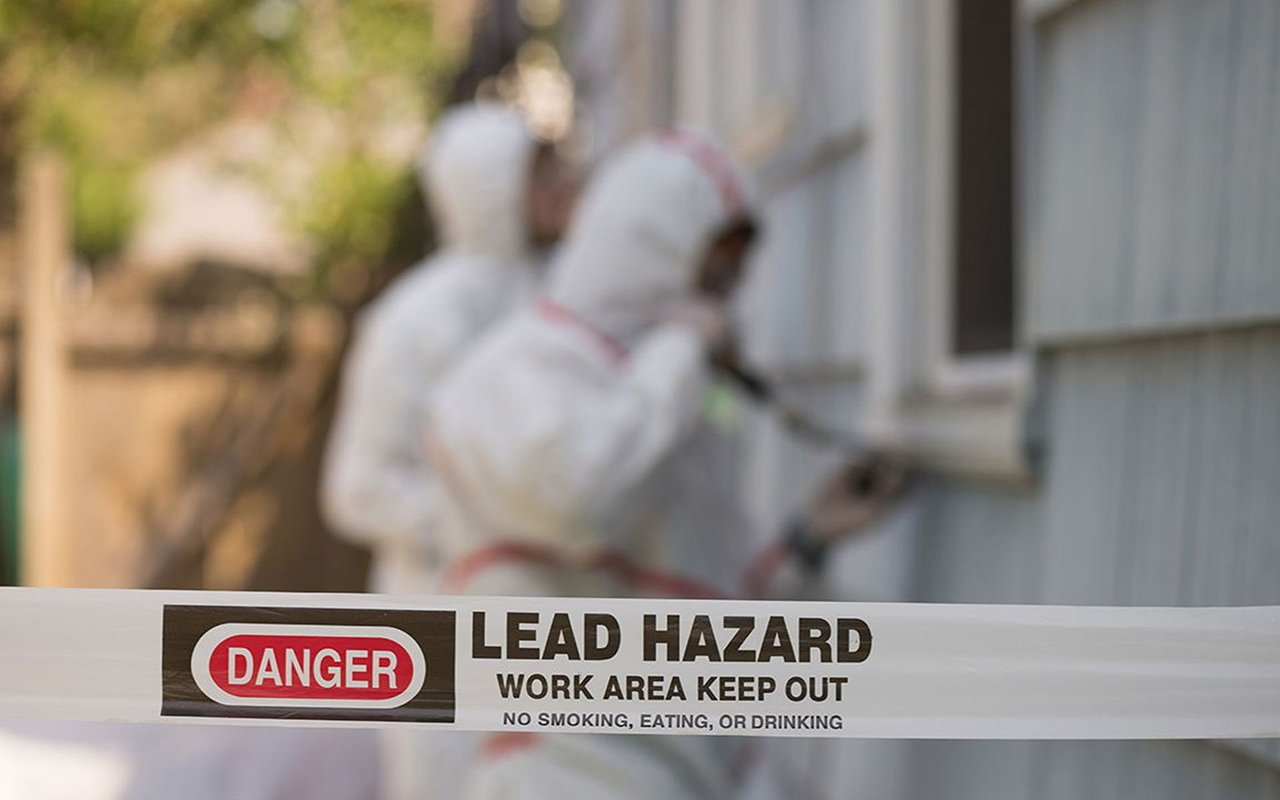
If your home was built before 1978, lead-based paint rules apply. Sellers must disclose known lead-based paint and related hazard information, provide available records, and give buyers the required opportunity to test.
Deteriorating paint deserves special attention, especially on windows, doors, stairs, railings, and porches. If you know you have chipping or peeling paint in those areas, it is worth addressing early.
Keep flood and drainage records handy
For properties in or near a flood-hazard area, local flood damage prevention rules may affect permit-related work. If you have records tied to drainage improvements, prior water intrusion repairs, or elevation-related documents, keep them with the rest of your file.
This is especially useful if buyers ask questions about how the property handles heavy rain or whether past work was properly documented.
A practical seller checklist
If you want a simple plan, start here. These steps can help your Tifton home show better during both the appraisal and inspection process.
Before the appointments
- Replace burned-out light bulbs
- Unlock all doors, gates, and outbuildings
- Clear access to attic, crawl space, HVAC, water heater, and electrical panel
- Clean up roof debris, gutters, and downspout areas
- Fix active leaks and obvious moisture problems
- Touch up damaged caulk and grout
- Check that toilets, faucets, and drains are working properly
- Store receipts, permits, warranties, and service records in one folder
Documents to gather
- Permit approvals and final inspection records
- Certificates of occupancy or completion when applicable
- Roof, HVAC, and water heater receipts or warranties
- Septic pumping or repair records if applicable
- Pest treatment records or termite documentation
- Lead disclosure records for pre-1978 homes
- Flood, drainage, or elevation paperwork if applicable
Homes with acreage need extra prep
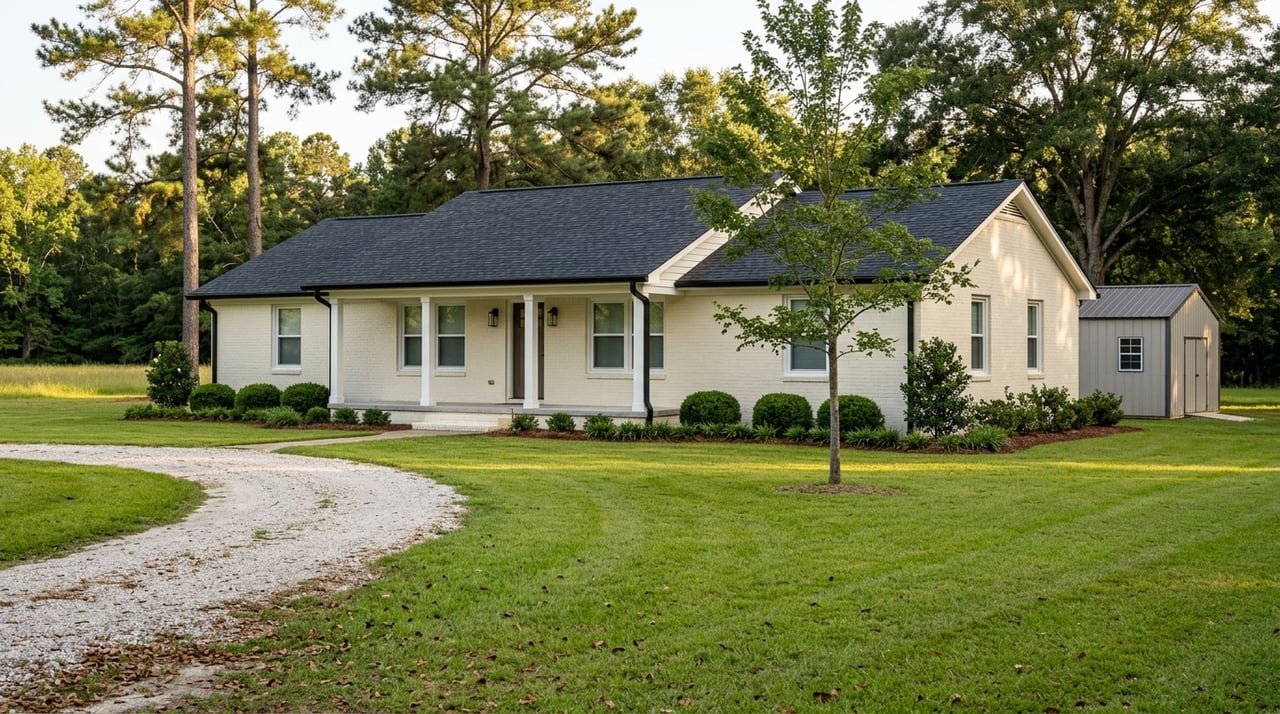
In and around Tifton, some properties include extra land, detached structures, barns, workshops, or mixed-use features. Those details can make the appraisal process less straightforward because comparable sales may be harder to match.
If your home has acreage or outbuildings, make sure those spaces are clean, accessible, and documented. Records for construction, utility improvements, or major repairs can help clarify what the property offers and how it has been maintained.
What preparation can help you avoid
Good prep cannot guarantee a perfect result, but it can reduce preventable delays. When you handle visible maintenance and gather paperwork in advance, you lower the chance of last-minute scrambling.
You also put yourself in a stronger position if questions come up. Instead of reacting under pressure, you can respond with clear records and a home that is easier to evaluate.
Selling in Tifton often works best when you pair local market knowledge with practical preparation. If you want help getting your home market-ready and positioning it for fewer surprises, connect with Terri-Partners for trusted guidance rooted in South Georgia experience.
FAQs
Does a home appraisal replace a home inspection in Tifton?
- No. An appraisal is the lender’s opinion of value, while an inspection reviews the home’s condition.
Can Tifton buyers ask for repairs after a home inspection?
- Yes. Buyers may ask for repairs or credits based on inspection findings, and some lenders may also require certain repairs before closing.
What documents should Tifton sellers gather before appraisal and inspection?
- Helpful records include permits, final inspection paperwork, receipts for major upgrades, HVAC and roof records, septic records if applicable, pest documentation, and lead or flood-related paperwork when relevant.
Do acreage homes in Tift County get appraised differently?
- Often, yes. Homes with acreage, barns, detached garages, or other outbuildings may require older or more distant comparable sales because similar properties can be harder to find.
What issues matter most before a Tifton home inspection?
- Moisture and maintenance issues are big ones, including leaks, drainage, crawl space dampness, damaged caulk or grout, HVAC service needs, and signs of wood infestation.