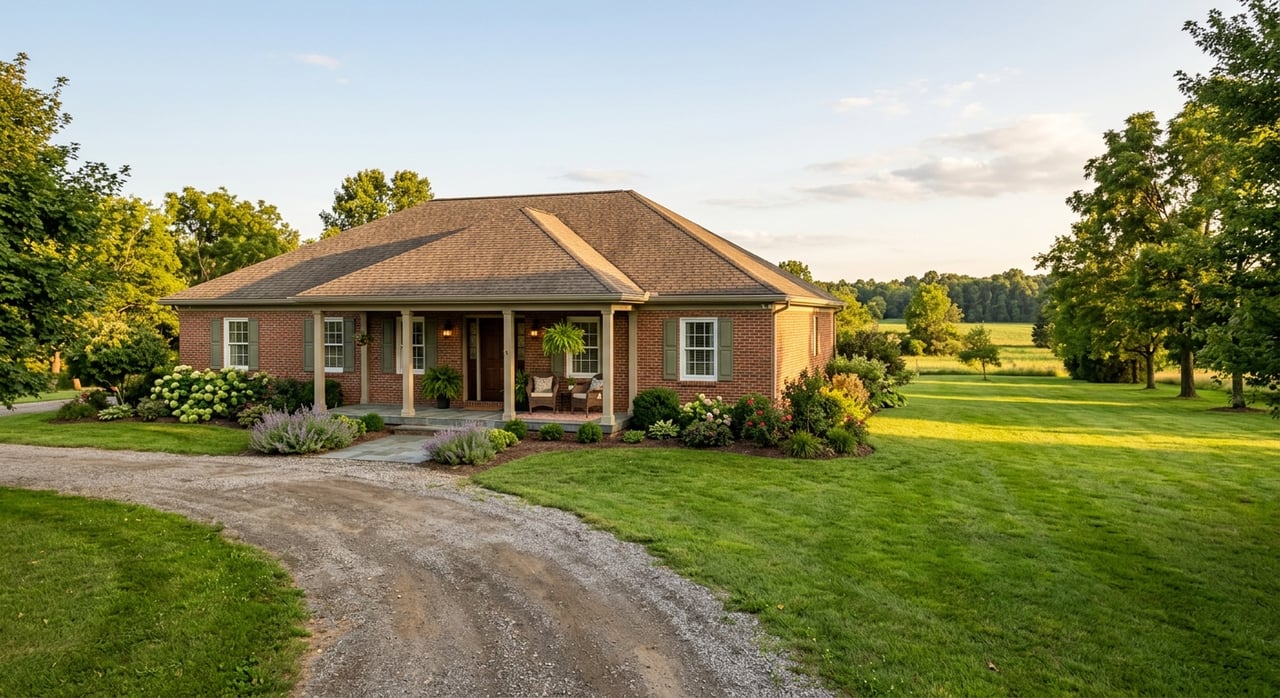
Wondering whether a few acres outside Tifton can actually support the small homestead you have in mind? It is a smart question, because in Tift County, a property that looks ideal on paper may not work the way you expect once zoning, utilities, access, and soil conditions come into play. If you are hoping for a house, garden, outbuilding, and maybe a few animals, this guide will help you evaluate what really matters before you make an offer. Let’s dive in.
Start With Jurisdiction
One of the first things to verify is whether the property is inside the City of Tifton or in unincorporated Tift County. That matters because the rules can change based on who governs the parcel.
For land in unincorporated Tift County, the county’s current development rules apply. The county’s AG district is intended for agricultural uses and has a 3-acre minimum, while RR1 allows 1-acre lots and may use wells and onsite sewage systems with health-department approval. R-1 also uses 1-acre lots, but manufactured homes are not allowed there.
If the parcel is inside the City of Tifton, you should verify zoning directly through the city’s Planning and Zoning process. The city notes that its online code may not reflect the latest amendments, so zoning verification and a pre-development meeting can be especially helpful.
Match Zoning To Your Homestead Plans
A small homestead is not just about acreage. It is about whether the allowed uses fit your plans for daily living.
Before moving forward, think through what you want the property to support. You may want space for a home, a garden, a detached building, fencing, and a modest number of animals. A tract can be large enough in size but still fall short if the zoning, setbacks, or lot standards do not line up with those goals.
This is where local guidance matters. In Tift County, different districts allow different lot sizes, housing types, and utility arrangements, so it helps to review the exact district before assuming the land will work the way you want.
Check Water, Sewer, and Gas Early
Utilities can make a major difference in both cost and convenience. Parcels closer to town may have better access to public services, but you should never assume service is available without verifying it for that specific property.
The City of Tifton Utilities Department provides water, sewer, and natural gas to citizens and surrounding areas. The city reports more than 10,000 water customers, 280 miles of distribution mains, 12 production wells, and about 20 million gallons per day of water capacity. Its wastewater system includes an 8-million-gallon-per-day treatment facility.
Even so, availability can vary by parcel. The city’s 2023 comprehensive plan notes that sewer is not currently available east of New River Church Road in the Hospital/High School character area. That means some acreage that seems close to town may still need a private septic system.
Review Access and Frontage
A tract can have enough acreage and still be harder to use than expected if access is limited. Frontage, driveway layout, and easements can all affect whether the property functions well as a homesite.
Tift County’s development standards address driveway placement, frontage, right-of-way width, and shared-access easements. If a parcel has a narrow road frontage, an unusual access strip, or a shared drive, it deserves a closer look before you commit.
For a small homestead, practical access matters every day. You want room for a driveway, space for deliveries and equipment, and an entry that supports how you will live on the property long term.
Understand Well and Septic Requirements
If public water or sewer is not available, the property may need a private well and septic system. That makes layout and separation distances very important.
Georgia public health guidance says a well should be placed away from pollutant sources and should not be in flood-prone areas unless the casing extends at least two feet above the highest known flood of record. Required separation distances include 50 feet from a septic tank, 100 feet from a septic absorption field, and 100 feet from an animal or fowl enclosure.
Wells must be installed by a licensed water well contractor. Georgia also recommends annual bacterial testing and chemical screening every three years, which is helpful to keep in mind as part of long-term ownership.
For septic, Tift County says the county health department reviews soil suitability and lot setup for private wells and onsite sewage systems. That means a property should not be treated as automatically buildable until those basic site conditions are confirmed.
Evaluate Soils and Drainage
Soils can make or break a small homestead. They affect where you can place a house, whether septic may work, how water moves across the land, and how productive your garden area may be.
The Natural Resources Conservation Service says soil survey information can help buyers evaluate home-site limitations, drainage, crop potential, and septic suitability. In Tift County, one representative local soil series called Tifton is described as very deep and well drained, with moderate runoff and low shrink-swell potential.
Still, no buyer should rely on a countywide description alone. Conditions can change across a single tract, so parcel-specific soil maps and site review remain important.
Look For a Good Garden Site
If growing your own vegetables is part of your plan, focus on the quality of the garden area instead of just the total acreage. A smaller, usable section of land can be more valuable than a large field with poor drainage.
University of Georgia home-gardening guidance says the best garden site has full sun, good internal drainage, a nearby water supply, and soil that can be improved with organic matter and soil testing. UGA also notes that vegetables generally perform best around a pH of 6.0 to 6.5.
In practical terms, that means you should walk the property with a gardener’s eye. Look for sunny areas, observe where water may collect, and consider how easy it will be to bring water to the garden space.
Verify Animal Rules and Setbacks
If your idea of a homestead includes a few chickens, goats, or other livestock, local rules matter just as much as the acreage itself. You want to make sure the property can accommodate both the animals and the required setbacks.
Tift County’s noncommercial animal standards say livestock includes horses, cows, goats, sheep, ponies, donkeys, chickens, and other domestic livestock. All livestock must be kept in a fenced enclosure. In most cases, livestock must also be set back at least 100 feet from property lines, except in AG and where the neighboring zoning is AG.
The county also prohibits feedlots and concentrated animal feeding operations. For smaller hobby use, fenced enclosures are still a basic part of planning, and UGA’s backyard flock guidance also notes that small flocks should be fenced for safety.
Pay Attention to Nearby Land Uses
A parcel may check every technical box and still feel different than you expected because of what surrounds it. Nearby land use can shape your day-to-day experience in ways that matter just as much as the home site itself.
The City of Tifton’s comprehensive plan identifies several character areas that can influence how nearby property feels over time. The Agricultural Education Character Area near the UGA Tifton Campus, Abraham Baldwin Agricultural College, and USDA research uses is intended to preserve institutional, agricultural, and related research uses.
The city also identifies an Industrial Character Area where uses may create noise, dust, smoke, odors, and other nuisance characteristics. Near I-75, the Interchange Character Area is oriented toward big-box, restaurant, hotel, gas-station, and other highway-related uses. Depending on your goals, those nearby uses may or may not be a good fit.
Watch for Airport and Height Limits
Some acreage near Henry Tift Myers Airport may fall under the county’s airport overlay. If so, there may be development standards and height restrictions that affect future plans.
This is especially important if you are thinking about taller barns, towers, or even extensive tree planting. A parcel may still work well for a small homestead, but it is wise to understand any extra review that could apply before you buy.
Review Flood Risk Before You Offer
Flood-prone areas can affect much more than insurance. They may also limit where you place a home, well, septic field, pasture area, or garden.
FEMA’s Flood Map Service Center is the official public source for National Flood Insurance Program flood-hazard information. Georgia DFirm’s viewer can be a helpful reference tool, but it is not the basis for NFIP base-flood-elevation determinations.
For acreage buyers, this step is worth doing early. Low-lying land can look attractive at first glance, but layout options may shrink quickly if flood concerns affect the most usable part of the tract.
Ask About Property Tax Treatment
Property taxes are another detail that can shape your long-term costs. Some agricultural land in Georgia may qualify for current-use or preferential agricultural assessment.
Applications are filed with the county board of tax assessors by the local deadline. If a tract is already under a covenant, or if you hope it may qualify in the future, confirm that directly before relying on a lower tax expectation.
This can be especially important with larger parcels or land that has an agricultural history. The right answer depends on the specific tract and its current status.
A Simple Homestead Checklist
Before you write an offer on Tift County acreage, it helps to run through a practical checklist:
- Is the parcel inside the City of Tifton or in unincorporated Tift County?
- What zoning district and overlays apply?
- Do the allowed uses fit your plans for a home, garden, outbuilding, and animals?
- Is public water, sewer, or natural gas available?
- If not, do soils and layout support a well and septic system?
- Does the property have workable frontage and access?
- Is there a sunny, well-drained area for a garden?
- Can fencing and animal setbacks be met?
- Are there nearby uses that may add noise, traffic, lighting, or other impacts?
- Is any part of the tract affected by flood risk, airport standards, or tax covenants?
A tract that works well for a small homestead is usually the one that balances use, layout, and local rules, not just the one with the biggest acreage number.
If you are comparing land around Tifton or anywhere in Tift County, having a local guide can make the process much clearer. Terri-Partners can help you evaluate acreage with a practical eye so you can focus on properties that truly fit your goals.
FAQs
What should you check first on Tift County acreage for a homestead?
- Start by verifying whether the parcel is inside the City of Tifton or in unincorporated Tift County, because zoning and development rules depend on the jurisdiction.
What zoning matters most for a small homestead in Tift County?
- The most important issue is whether the zoning allows your intended use, including the home type, lot size, wells or septic if needed, outbuildings, and any planned hobby animals.
Can acreage near Tifton still need a septic system?
- Yes. Even land that appears close to town may not have sewer service, and the city’s comprehensive plan notes that sewer is not currently available in some areas east of New River Church Road.
Why do soils matter on Tift County land?
- Soils affect drainage, home-site layout, septic suitability, and garden potential, so they are a key part of deciding whether a tract will function well as a homestead.
Are chickens and other livestock allowed on small homestead acreage in Tift County?
- Tift County’s noncommercial animal standards include animals such as chickens, goats, horses, cows, sheep, ponies, and donkeys, but fencing and setback rules still need to be met.
How can flood risk affect a homestead property in Tift County?
- Flood-prone land can limit where you place a house, well, septic field, pasture, or garden, so official flood-map review is an important part of evaluating any tract.
Should you ask about agricultural tax treatment before buying Tift County acreage?
- Yes. If a parcel is already under a covenant or you expect it to qualify for agricultural assessment, confirm that with the county before assuming a lower tax bill.