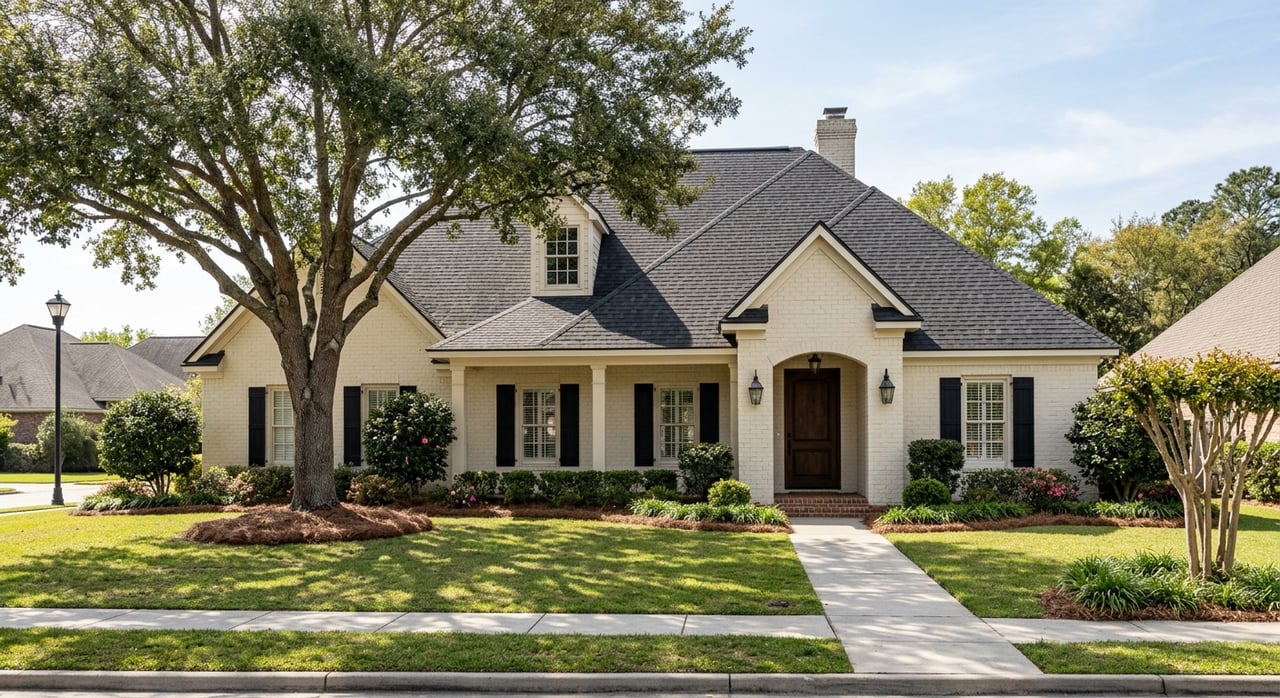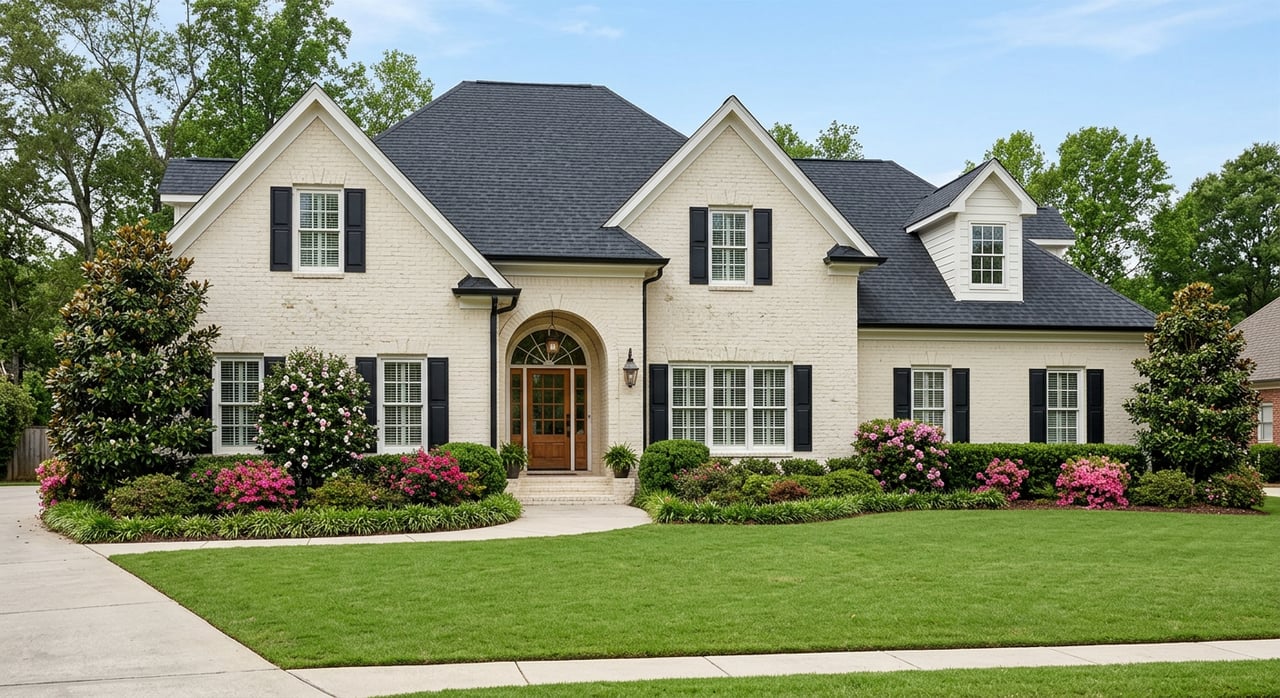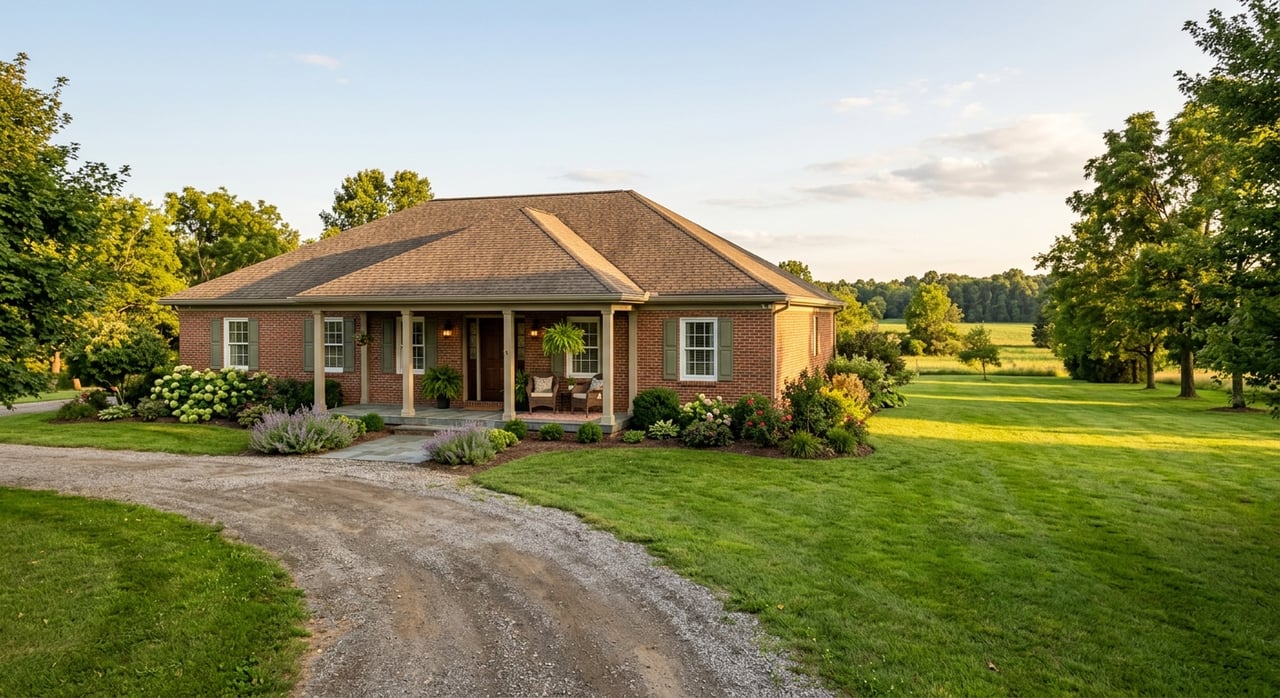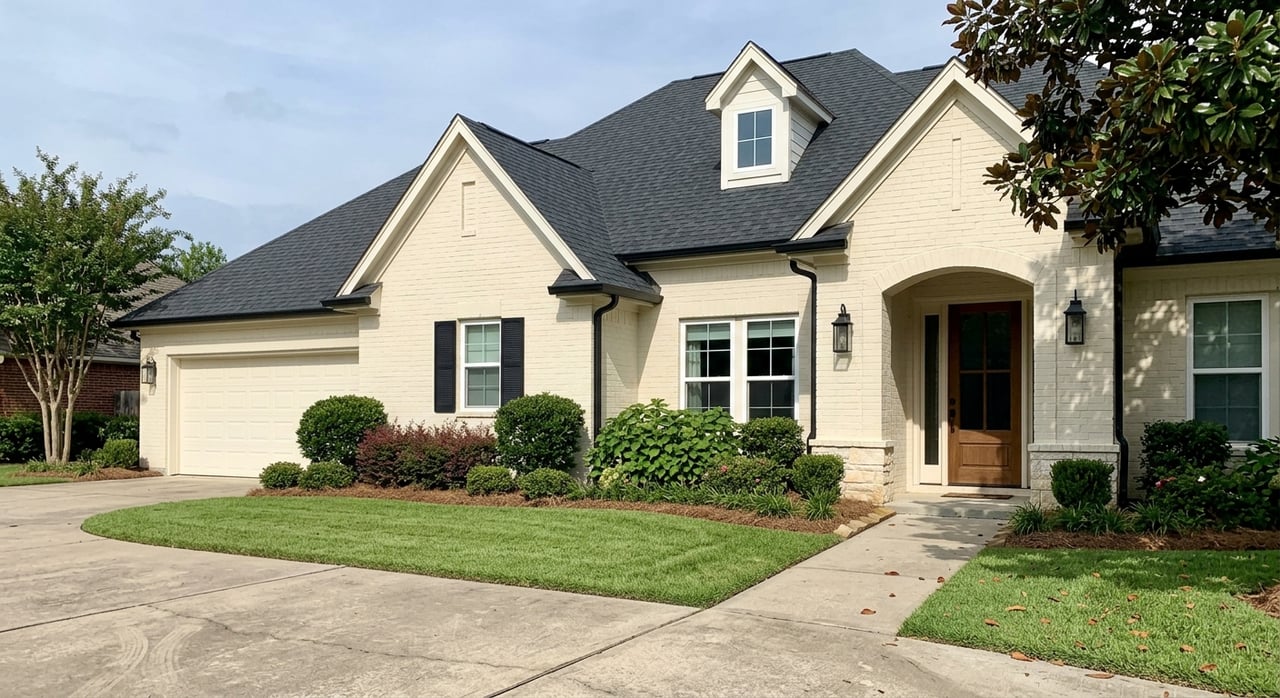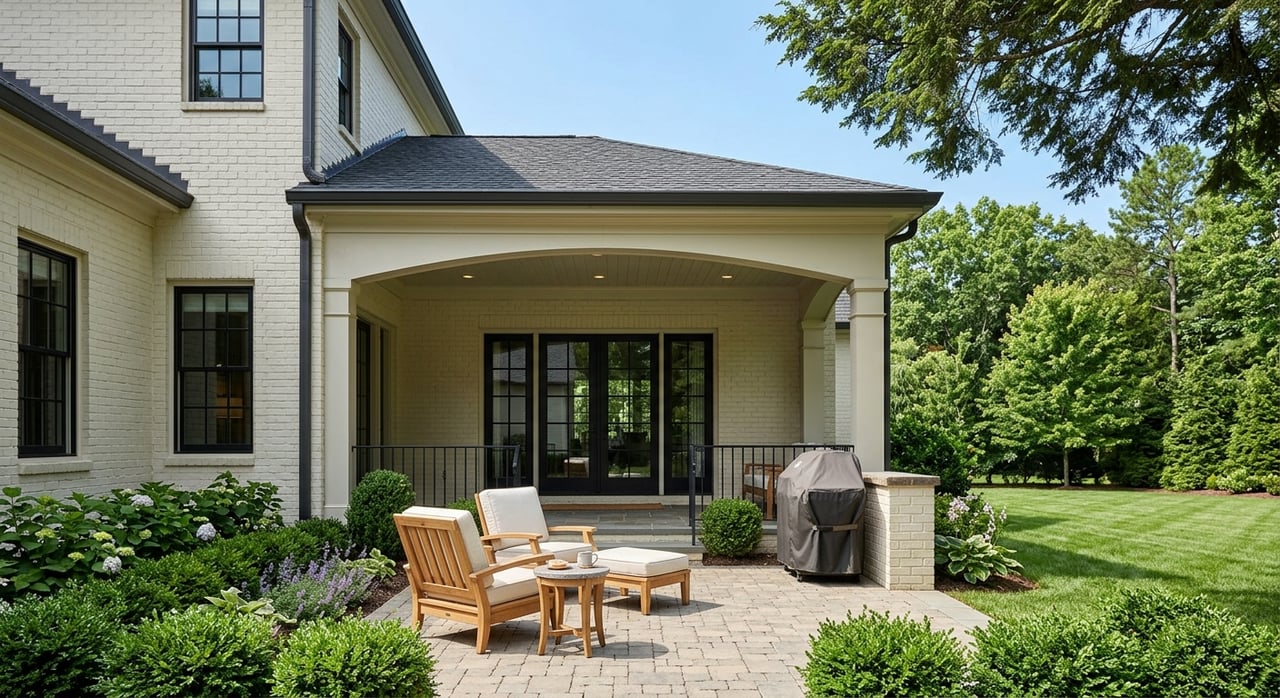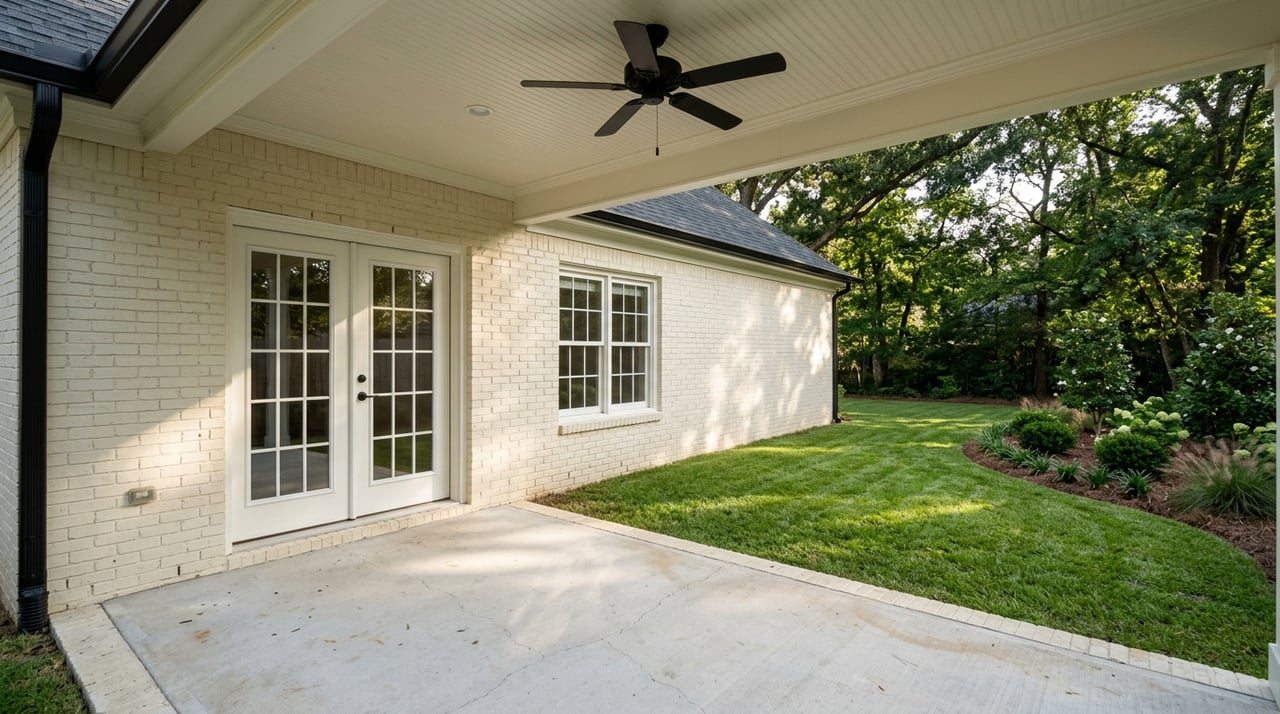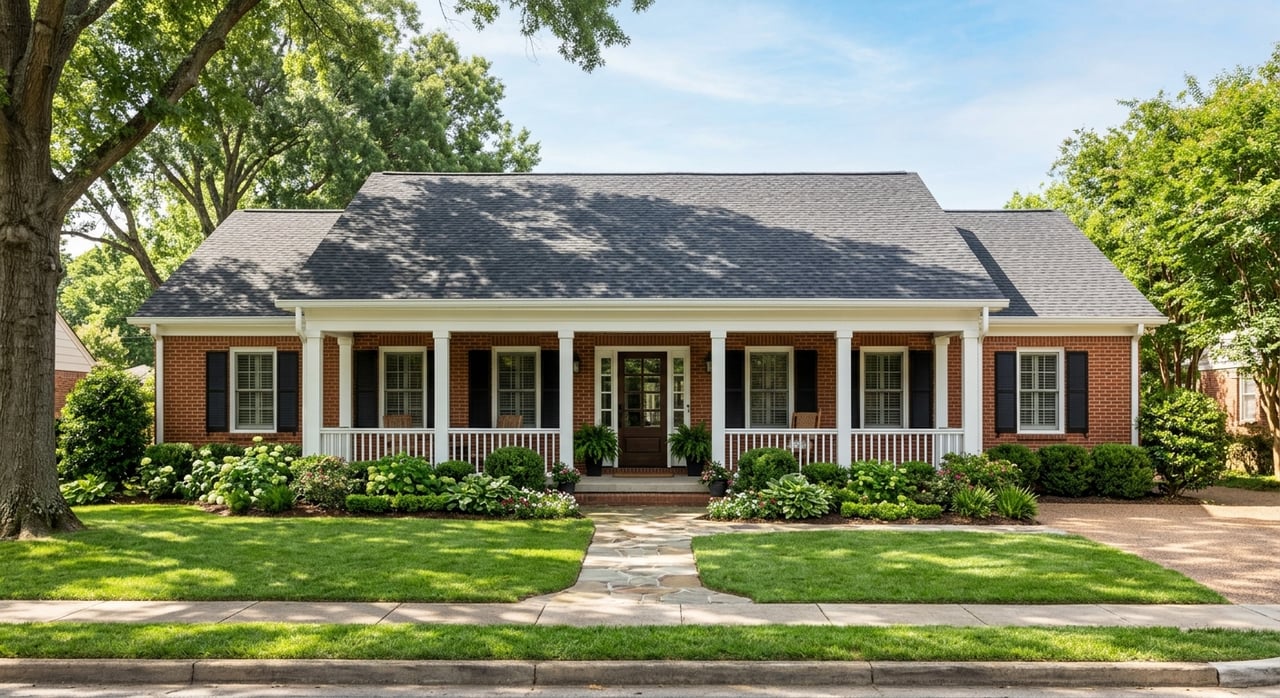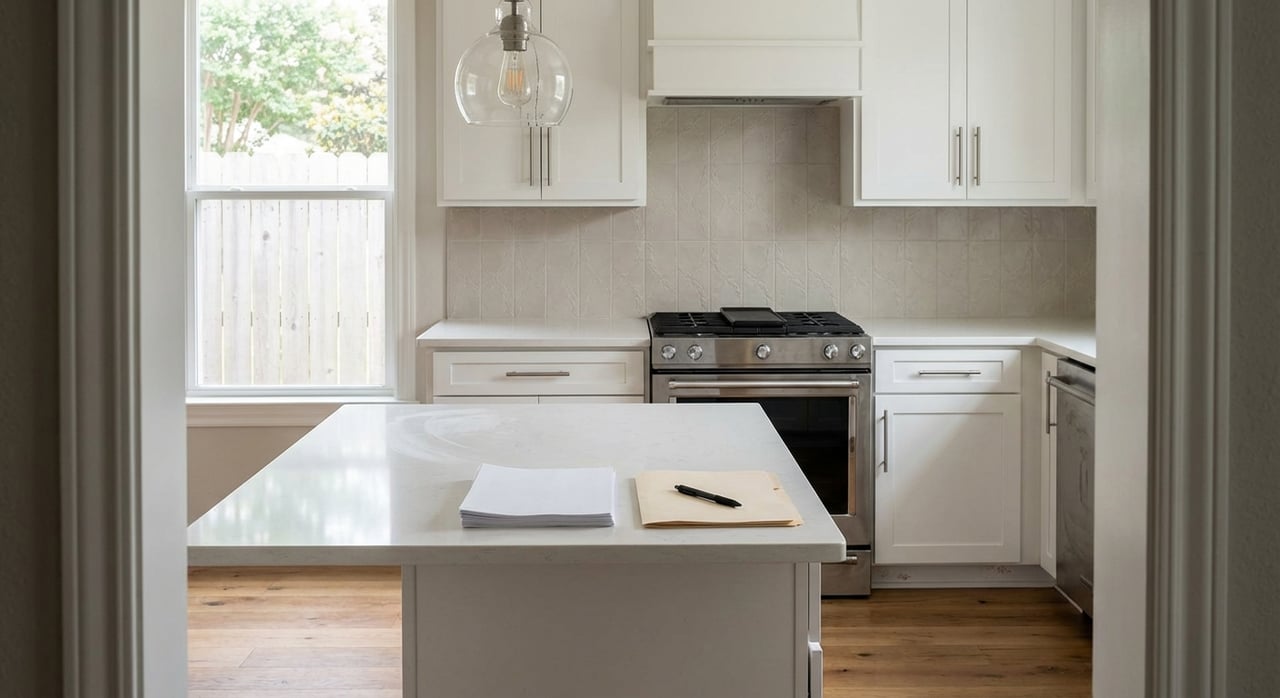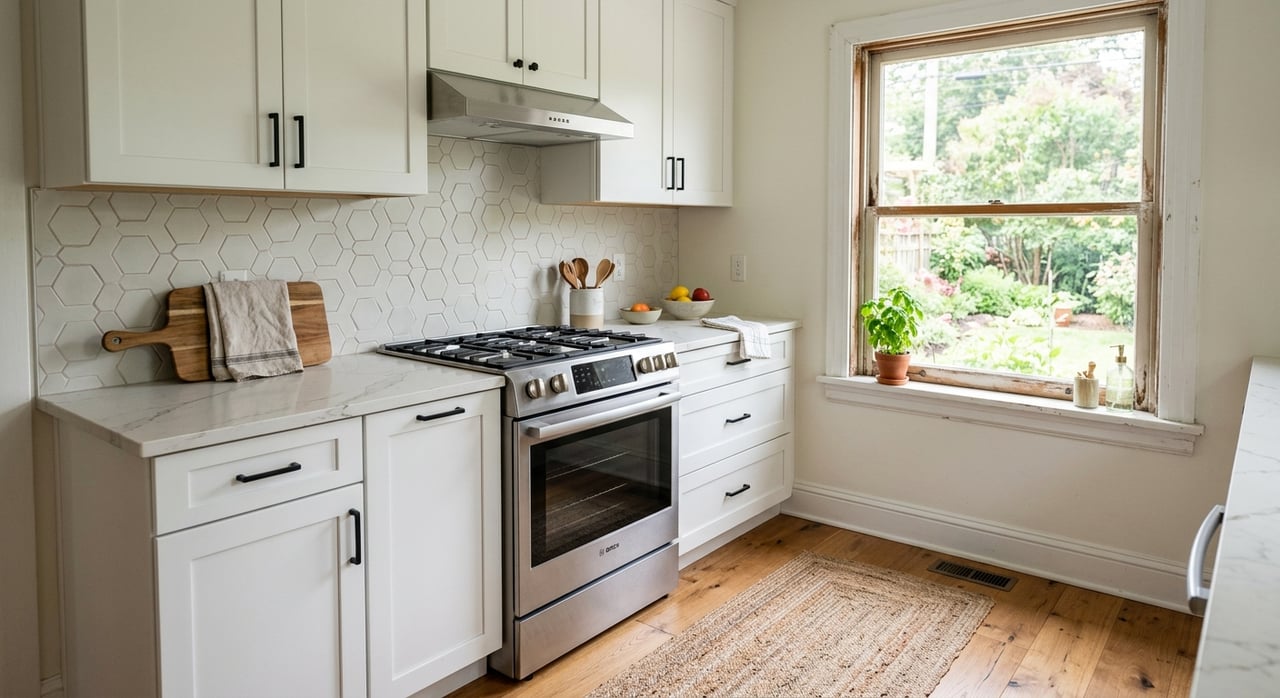
Wondering if an older home in Tifton could be the right fit for you? It can be a smart and rewarding choice, especially if you love character, established streets, and homes with details you do not always find in newer construction. If you are considering one, it helps to know what makes Tifton’s older housing stock unique, what condition issues deserve a closer look, and what local rules may affect your plans. Let’s dive in.
Why older homes stand out in Tifton
Older homes are a big part of Tifton’s identity. The city’s historic growth was shaped by timber, rail, and downtown development, and that history still shows up in the layout of its older neighborhoods and residential streets.
In fact, published year-built data in a Tifton profile suggests about 53% of housing units were built before 1980. That means if you are shopping in Tifton, there is a good chance your options will include homes with more age, more variety, and more upkeep considerations than a typical newer build.
What gives older Tifton homes their appeal
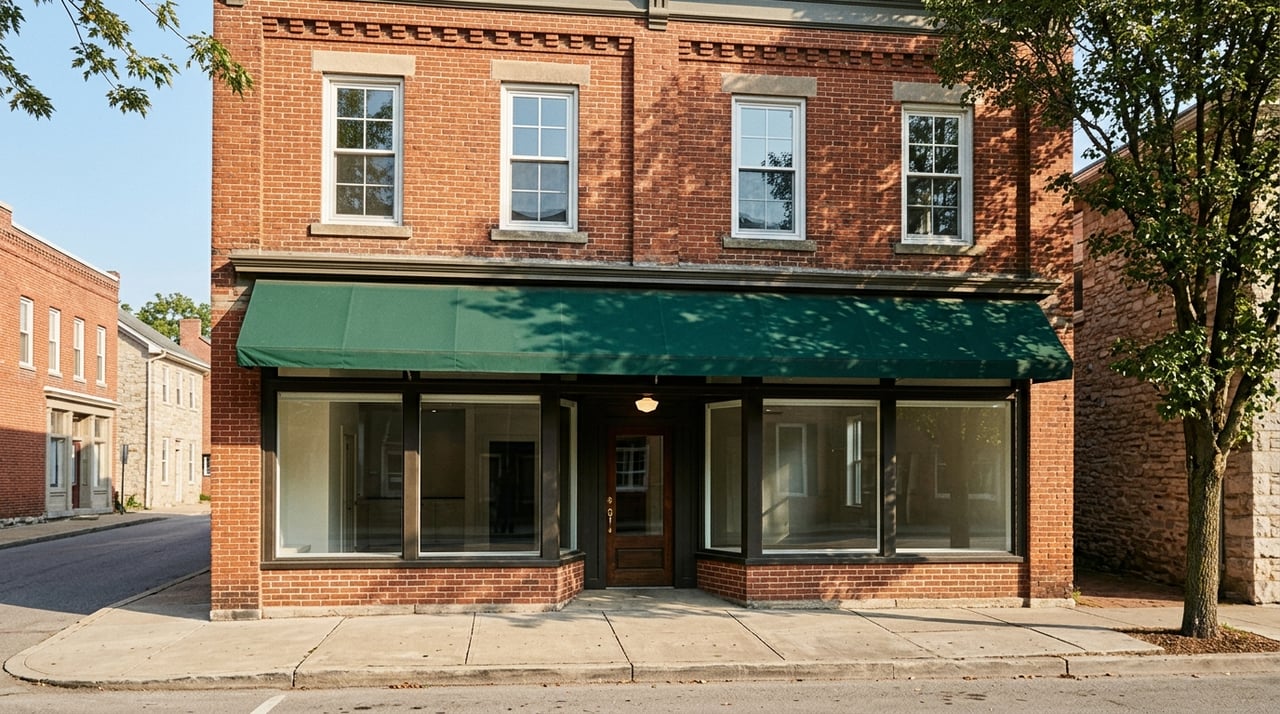
One reason buyers are drawn to older homes in Tifton is the strong sense of place. The National Register residential district sits north and northwest of downtown in a grid pattern, with the oldest homes closest to the central business district.
That setting often brings mature landscaping, traditional lot patterns, and architecture that reflects different building eras. For many buyers, that translates to homes that feel distinctive rather than uniform.
Architectural styles you may see
If you tour older homes in Tifton, you may notice a wide range of styles. The local historic district includes homes dating from the late 1880s into the early 1950s, with several recognizable designs.
Common styles and house types include:
- Queen Anne
- Folk Victorian
- Neoclassical or Classical Revival
- Colonial Revival
- Tudor Revival
- Craftsman
- English Vernacular Revival
- American Small House
- Ranch
- Georgian house and cottage
- L-house
- New South cottage
- Gabled-ell cottage
- Bungalow
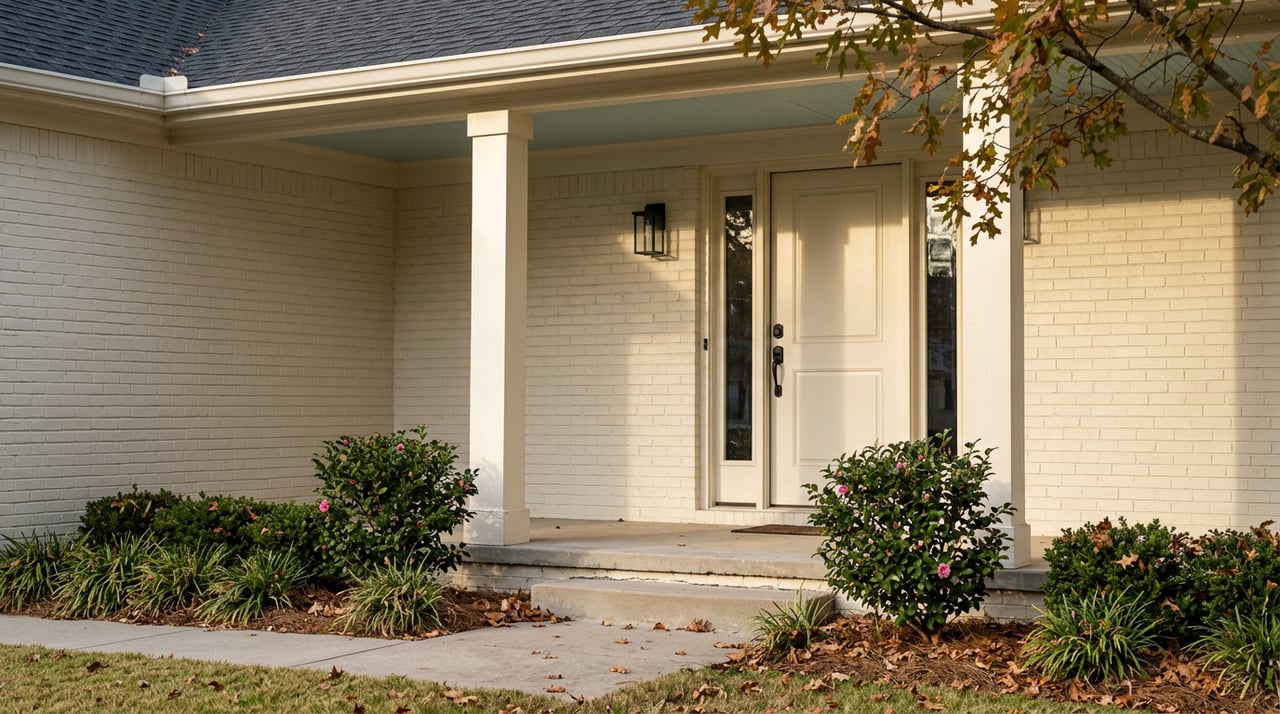
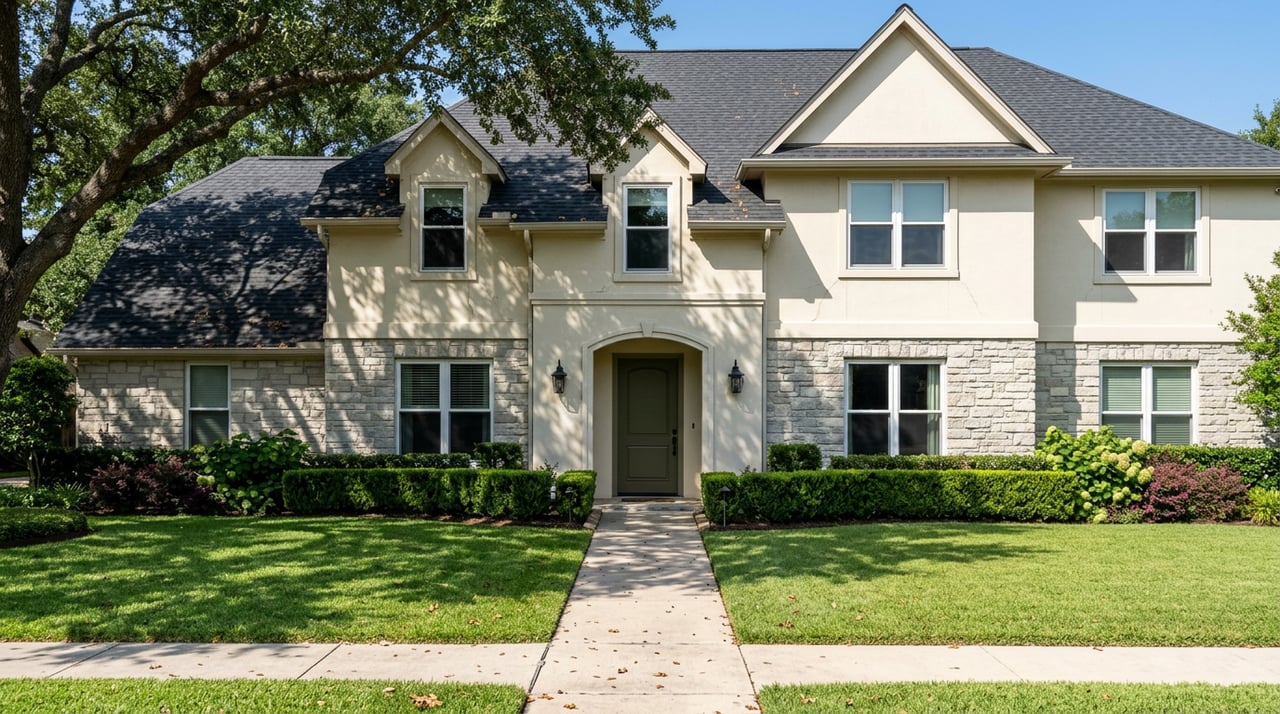
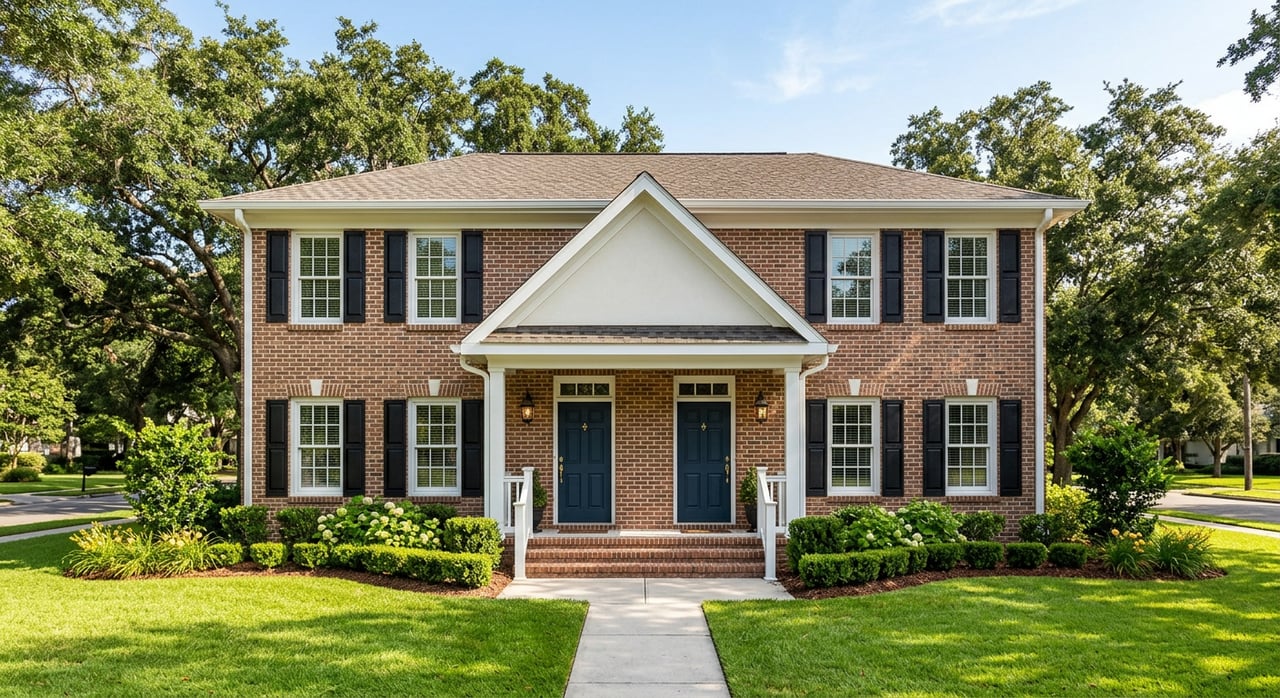
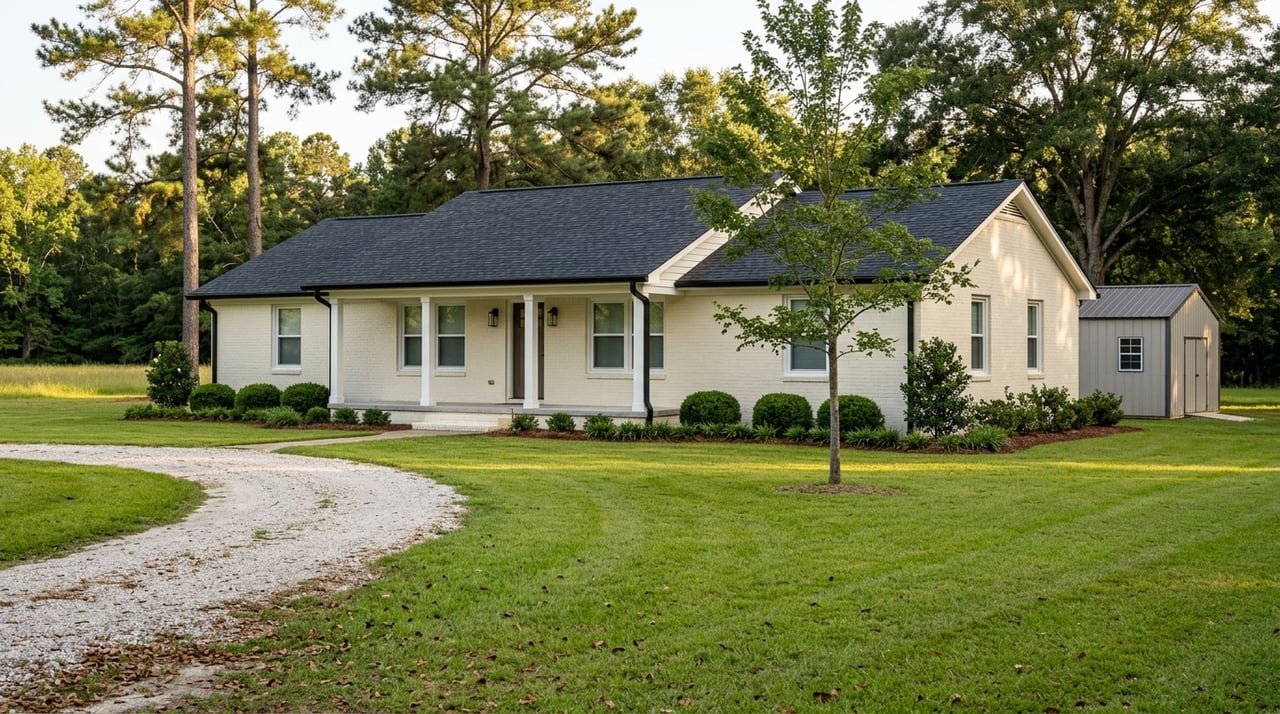
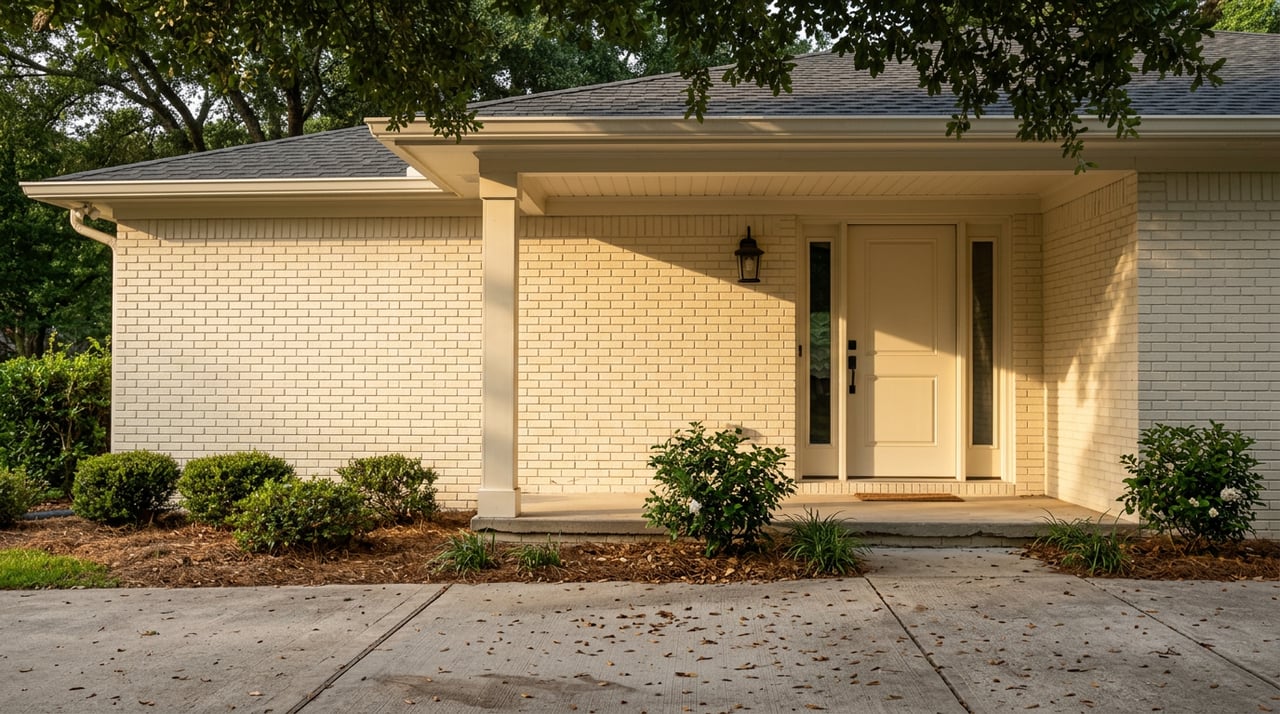
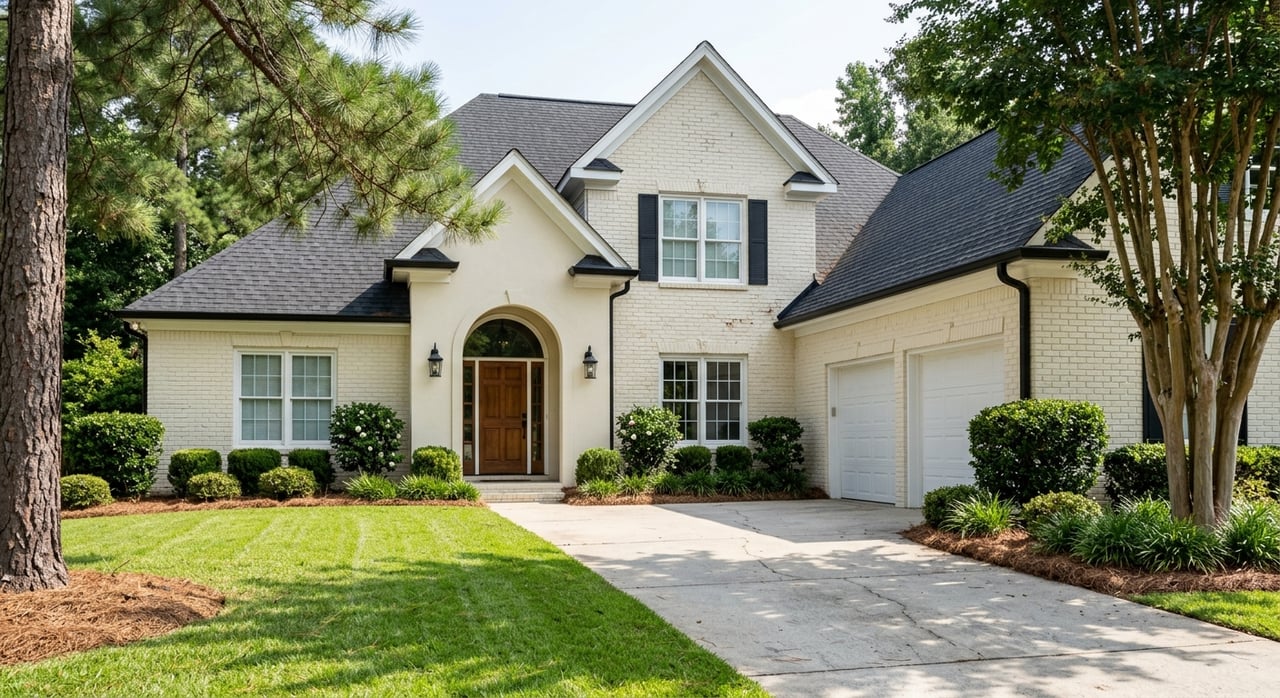
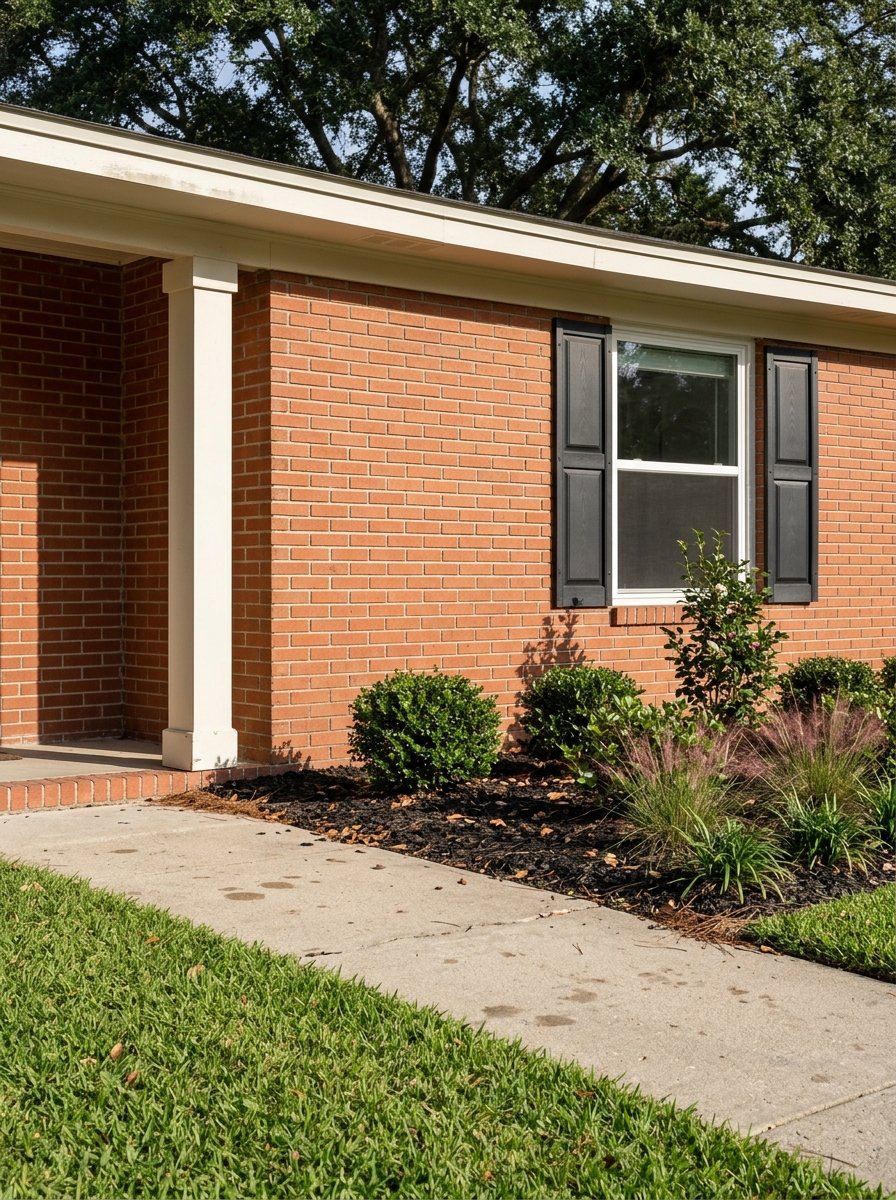
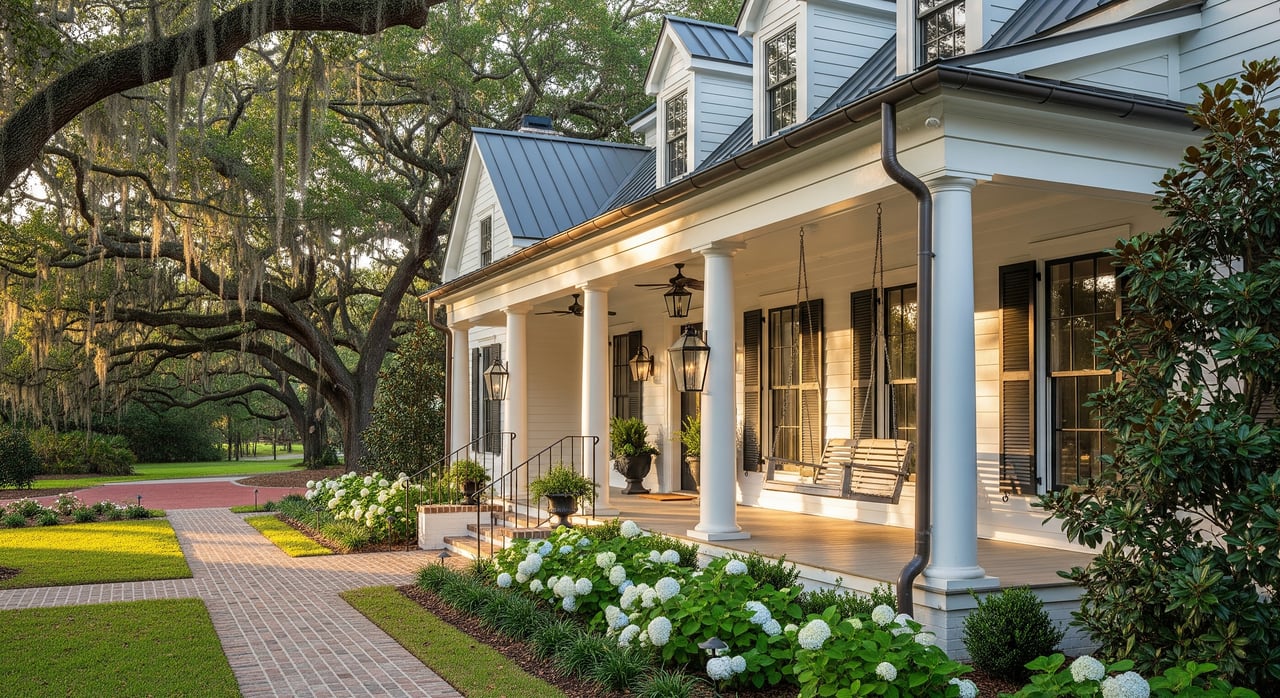
These homes may feature brick or concrete foundations, weatherboard or brick exteriors, stucco walls, and asphalt or metal roofs. You may also see front porches, decorative woodwork, gables, and sometimes standout details like turrets.
What to inspect carefully in an older home
Charm matters, but condition matters just as much. When you buy an older home in Tifton, it is wise to focus on the systems and maintenance items that can affect both comfort and future costs.
Moisture and drainage
In South Georgia, moisture control should be high on your list. University of Georgia guidance for Georgia homes emphasizes grading that moves water away from the house, clean gutters and downspouts, sealed crawl spaces, proper ventilation, and a vapor barrier.
If a home has musty odors, damp crawl-space conditions, or signs that water collects near the foundation, those are worth a closer look. UGA also notes that indoor humidity above 50% may be a sign that a dehumidifier is worth considering.
Termites and pest risk
Moisture and termites often go hand in hand. UGA guidance notes that moisture management is central to termite control and recommends annual termite inspections as a good preventive step.
Ask whether the home has had regular inspections or any past treatment. If there has been termite activity or structural damage, you will want clear records of what was found and how repairs were handled.
Roof, attic, and exterior condition
An older home’s exterior shell does a lot of work, so this area deserves careful attention. UGA’s home maintenance checklist recommends checking flashing, shingles, eaves, soffits, attic insulation, and signs of leaks or pests.
Even a home that looks well kept from the street can have hidden wear in the roofline or attic. A thorough inspection can help you understand whether you are looking at routine maintenance or a larger near-term expense.
Plumbing, electrical, and HVAC
Older homes can have updated interiors but aging core systems. UGA guidance suggests checking for leaks around toilets, tubs, showers, sinks, and water heaters, along with frayed wires, damaged cords, outlet safety, and HVAC maintenance.
Before you make an offer, try to pin down the age and condition of the roof, HVAC, water heater, plumbing, electrical system, insulation, windows, gutters, and downspouts. Those answers can tell you a lot about the real cost of ownership.
Lead-based paint rules for pre-1978 homes
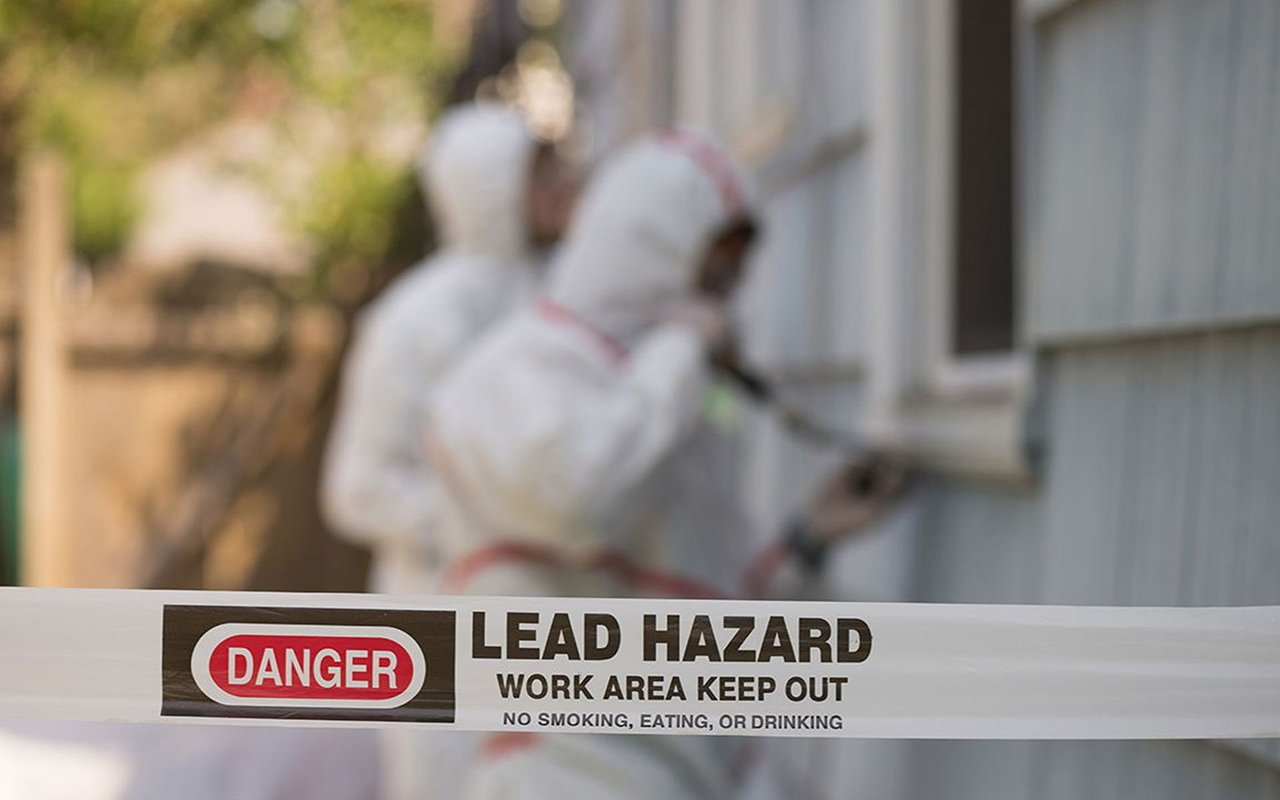
If the home was built before 1978, lead-based paint rules are part of the process. Federal law requires lead disclosure for most housing built before 1978.
Buyers also receive a 10-day period to conduct a paint inspection or risk assessment, and sellers and agents must provide the required lead information pamphlet. If you are considering an older home in Tifton, make sure you review any disclosures, reports, or prior testing results early in the transaction.
Historic district rules can affect renovations
If you plan to update an older home, local approval matters. The City of Tifton’s Building and Permitting office reviews plans and issues permits for new construction, renovations, and additions under current city and state codes.
There is another layer to check if the property is in the city’s Historic District. The Historic Preservation Commission hears applications for exterior construction, modifications, changes, or alterations, so visible updates may require review before work begins.
That is especially important if you are thinking about changing exterior materials, altering a porch, adding on, or making other street-facing improvements. A home’s location can shape not just its appeal, but also what project steps come next.
Flood risk deserves a closer look
Flood risk is another item buyers should not overlook. The City of Tifton states that standard homeowners and commercial property insurance policies do not cover flood losses.
The city also participates in FEMA’s Community Rating System and provides floodplain notices to homeowners in affected areas. For an older home, it makes sense to discuss drainage, lot grading, and floodplain status as part of your due diligence, not as an afterthought.
Smart questions to ask before you offer
The right questions can help you separate a well-maintained older home from one with costly surprises. As you evaluate a property, ask for as much detail as possible about maintenance, repairs, and updates.
Here are some of the most useful questions to ask:
- When were the roof, HVAC, water heater, plumbing, electrical, windows, insulation, gutters, and downspouts last updated?
- Are there records for additions, exterior changes, or renovations that may have required permits?
- If the home is in the Historic District, were exterior changes reviewed or approved when needed?
- Has the home had annual termite inspections or treatment?
- Were any moisture, drainage, or wood-rot issues repaired?
- Is there visible evidence of leaks, foundation cracking, crawl-space moisture, or poor drainage around the lot?
- If the house was built before 1978, what lead disclosures or testing records are available?
- Is the property located in a floodplain, and if so, what insurance or site considerations apply?
Buying with confidence in Tifton
An older home in Tifton can offer real charm, lasting character, and a connection to the city’s history. It can also require a more careful review of condition, maintenance history, permits, and local district rules than a newer property.
That does not mean you should avoid older homes. It simply means you should go in with clear eyes, good questions, and local guidance that helps you balance character with practicality.
If you are exploring older homes in Tifton and want a steady, informed approach, Terri-Partners can help you evaluate your options and move forward with confidence.
FAQs
What makes older homes in Tifton GA appealing to buyers?
- Older homes in Tifton often offer more architectural variety, established street patterns, mature landscaping, and period details that reflect the city’s historic development.
What house styles are common in older Tifton GA neighborhoods?
- Buyers may see Queen Anne, Folk Victorian, Colonial Revival, Craftsman, Tudor Revival, American Small House, Ranch, bungalow, and other traditional house types in Tifton’s older residential areas.
What should you inspect first when buying an older home in Tifton GA?
- Focus on moisture and drainage, termite history, roof condition, attic and exterior wear, and the age and function of plumbing, electrical, and HVAC systems.
What should buyers know about lead paint in older Tifton GA homes?
- For most homes built before 1978, sellers must provide lead disclosures, buyers get a 10-day opportunity for a paint inspection or risk assessment, and required lead information must be provided.
Do historic district rules affect older homes in Tifton GA?
- Yes. If a property is in Tifton’s Historic District, exterior construction, modifications, changes, or alterations may require review by the Historic Preservation Commission.
Does flood insurance matter for older homes in Tifton GA?
- Yes. The City of Tifton states that standard homeowners insurance does not cover flood losses, so buyers should check floodplain status and discuss related insurance needs during due diligence.